0%

Choosing the best Aluminium Sliding Doors in 2026 requires more than comparing frame colours or showroom photographs. Performance now matters as much as appearance. Homeowners and specifiers are examining thermal efficiency, weather resistance, security, accessibility, and long-term hardware reliability. A beautiful door can still disappoint if its rollers feel heavy or its seals allow winter draughts.

Fenestration consultant Steve Cross offers a practical reminder: “A sliding door should connect spaces smoothly, without making the homeowner think about the mechanism.” That simple observation shapes this guide. The leading systems combine slim aluminium profiles with large glazed panels, robust rollers, adjustable locks, and carefully engineered drainage. Some also support low thresholds, improved thermal breaks, and wider openings for contemporary homes.

The details are tangible. Imagine a two-metre panel moving quietly with one hand, while rainwater drains away from the track. That experience depends on correct manufacturing and precise installation. Product claims alone are not enough. Look for independently tested U-values, air-permeability results, water-resistance ratings, and wind-load performance. Regional building requirements must also be checked.

There is no perfect ranking. An ultra-slim frame may reduce visible structure but offer fewer configuration choices. A highly insulated system may feel heavier or cost more. This article compares the 2026 market leaders through those real-world compromises. It considers design, engineering, installation quality, maintenance, and value, helping readers choose Aluminium Sliding Doors that perform beyond the showroom.
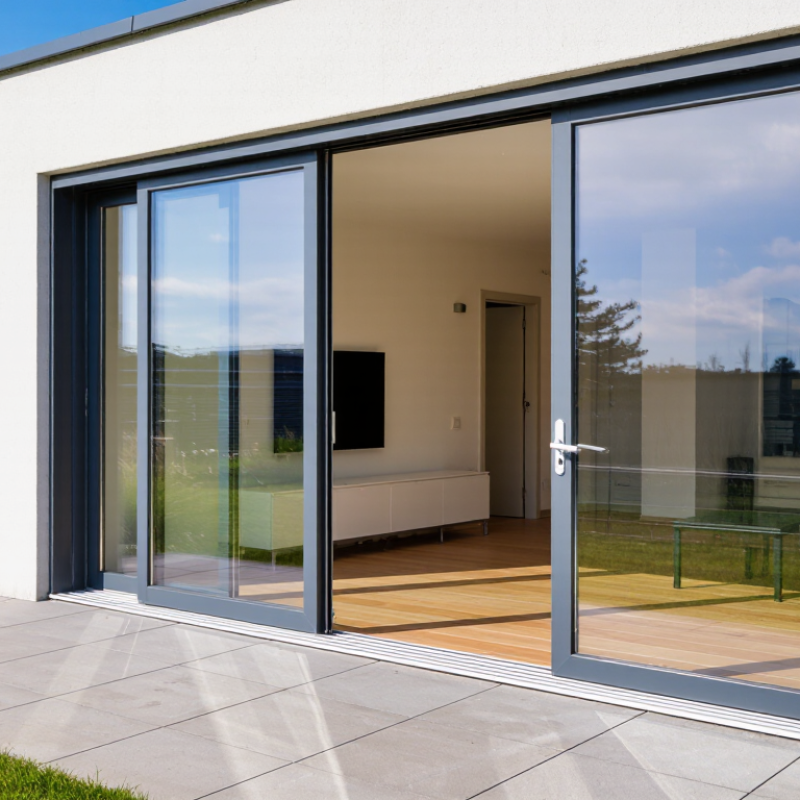
What Are the 2026 Top Aluminium Sliding Doors?

What Defines a Top Aluminium Sliding Door in 2026?

A top aluminium sliding door in 2026 should control heat, air, water, and movement—not merely look slim. The International Energy Agency’s 2023 Global Status Report states that buildings used about 30% of global final energy in 2022. This makes thermal performance a practical concern, especially across large glazed openings.

Independent testing should show the door’s U-value, air leakage, water resistance, and wind-load performance. European standards EN 14351-1 and EN 12207 provide useful reference points for window and door evaluation. The U.S. Department of Energy also reports that windows can cause 25–30% of residential heating and cooling energy use. A well-designed sliding door therefore needs thermally separated aluminium sections, low-emissivity glazing, accurate seals, and a drainage path that remains clear after years of use.

Installation is equally important. A beautifully specified door can still underperform when the frame is poorly aligned or the threshold lacks support. That is not enough. In real projects, smooth rollers, accessible handles, replaceable weather seals, and safe glass matter every day. Recycled aluminium can reduce material impact, but manufacturers should provide traceable environmental documentation rather than vague claims. I would not treat a low U-value as proof of a superior door; condensation, noise, maintenance, and local climate deserve equal attention. Small details matter.

Key Materials, Components, and Performance Features

What Are the 2026 Top Aluminium Sliding Doors?

Key Materials, Components, and Performance Features

In 2026, leading aluminium sliding doors use thermally broken frames rather than solid metal profiles. A polyamide barrier separates indoor and outdoor aluminium sections. This reduces heat transfer and limits interior condensation. Recycled aluminium can lower material impact without weakening the frame. However, recycled content needs verified documentation. Marketing claims alone are not enough.

The glass package strongly affects daily comfort. Low-emissivity double glazing improves insulation and helps control solar heat. Laminated glass can reduce noise and retain fragments after breakage. High-quality doors also use stainless steel rollers, reinforced tracks, and adjustable guides. Rollers should move smoothly under load, even with large glass panels. Poor alignment creates irritating rattle and uneven gaps. I have seen attractive systems fail because installation was rushed.

Reliable performance depends on more than the frame. EPDM gaskets help resist wind-driven rain and air leakage. A sloped sill and clear drainage channels move water away from the room. Multi-point locks improve resistance against forced entry, while concealed rollers create a cleaner appearance. Look for independently tested air, water, wind, thermal, and acoustic results. U-values should be read with the actual glass configuration, not the frame alone. Installation quality remains the uncertain part. Even excellent components perform poorly when the opening is unlevel or poorly sealed.

Leading Aluminium Sliding Door Styles for 2026

Leading Aluminium Sliding Door Styles for 2026

In 2026, slimline aluminium sliding doors are gaining attention for brighter, less interrupted interiors. A 2024 Grand View Research report estimates the global aluminium doors market will grow at about 5.9% annually through 2030. This growth reflects demand for durable frames, larger glass areas, and cleaner architectural lines. Two-panel systems suit compact rooms. Three-panel designs create wider openings and stronger visual continuity with patios.

Thermally broken frames remain a practical choice in changing climates. They reduce heat transfer through the aluminium profile. Low-emissivity double glazing can improve comfort further, although performance depends on correct installation. The U.S. Department of Energy notes that low-e coatings can reduce window energy loss by reflecting heat. That benefit should not be overstated. Poorly sealed joints can defeat expensive glass.

Concealed rollers, flush thresholds, and integrated drainage define more refined 2026 styles. Soft-close hardware adds control, especially with heavier panels. Corner-opening systems create dramatic connections between rooms and gardens, but they require accurate structural planning. The 2024 International Energy Agency buildings analysis continues to highlight efficiency as a key renovation priority. Homeowners should check thermal values, air leakage ratings, water resistance, and local weather exposure before choosing a layout. A beautiful door can still be awkward. Furniture clearance and daily cleaning deserve equal attention.

What Are the 2026 Top Aluminium Sliding Doors?

Leading aluminium sliding door styles for 2026 are increasingly designed around wider openings, stronger indoor–outdoor connections, and flexible panel layouts.

The chart compares common planning widths for popular aluminium sliding door configurations. Values are based on standard modular opening increments used in residential and light-commercial design; actual dimensions vary by structural requirements, glazing weight, hardware, and local building regulations.

How Energy Efficiency and Security Are Evaluated

What Are the 2026 Top Aluminium Sliding Doors?

In 2026, top aluminium sliding doors will be judged by measurable energy performance, not appearance alone. A thermally broken frame limits heat transfer through the metal. Low-emissivity glazing can reduce winter heat loss and summer heat gain. The useful figures include U-value, solar heat gain, and air leakage. Lower U-values usually indicate better insulation. However, figures must match the complete door system, not glass alone.

I inspect the meeting stiles, gaskets, rollers, and frame joints first. Small gaps can create cold draughts around an otherwise efficient door. A tight seal should remain flexible after repeated opening and closing.

Installation also matters. An excellent door can perform poorly when the sill is uneven or poorly drained. That point is often underestimated. Independent test reports provide stronger evidence than sales descriptions, although test conditions may differ from a real home.

Security evaluation requires more than a visible lock. I look for a robust multipoint locking system, reinforced keep areas, and anti-lift protection. Laminated or impact-resistant glazing can make forced entry more difficult. Strong corner joints and correctly anchored frames matter too.

Residents should check whether locks resist common leverage points and whether replacement parts remain available. I once focused too heavily on glass thickness and overlooked the frame connection. That mistake changed my inspection method.

Certified testing helps, but regular maintenance still affects long-term security. Door tracks need cleaning, screws need checking, and damaged seals should not be ignored.

How to Compare, Select, and Maintain the Right Door

What Are the 2026 Top Aluminium Sliding Doors?

The strongest aluminium sliding doors in 2026 combine slim frames, smooth movement, and dependable weather protection. Compare more than appearance. Check the frame alloy, thermal break, glass specification, rollers, locks, and drainage design. A door should open quietly after repeated use, not only during a showroom demonstration. Ask for tested air, water, wind, and security performance. Certification details matter because attractive claims can hide weak evidence.

Measure the opening carefully, including the finished floor height and wall tolerance. Larger glass panels provide better views, but they increase weight and installation demands. Select low-emissivity double glazing for balanced insulation, or consider triple glazing in colder regions. Coastal homes need durable surface treatments and corrosion-resistant hardware. I once saw a beautiful door bind because the floor was slightly uneven. The product was not entirely at fault. Installation matters.

Keep the bottom track free from grit, leaves, and small stones. Use a soft brush and a damp cloth each month. Never force a stiff panel. Inspect rollers, seals, handles, and drainage channels twice yearly. Ask a qualified installer to adjust the rollers when movement becomes uneven. Lubrication advice varies by hardware, so follow the maintenance guide rather than guessing. This part is easy to neglect. It should not be. Even a well-designed door can lose efficiency when seals shrink or drainage holes become blocked.

FAQS

What should a top aluminium sliding door control in 2026?

It should control heat, air, water, and movement. A slim appearance is not enough. Small details matter.

Why is a thermally broken aluminium frame important?

A polyamide barrier separates indoor and outdoor aluminium sections. This reduces heat transfer and interior condensation. Solid metal profiles can feel colder indoors.

Which glass features improve comfort?

Low-emissivity double glazing improves insulation and controls solar heat. Laminated glass can reduce noise and retain fragments after breakage. The exact glass package matters.

What performance information should buyers request?

Request tested U-values, air leakage, water resistance, wind performance, and acoustic results. Check the complete door system, not the frame alone. Numbers can mislead.

How does installation affect sliding door performance?

The opening must be level, supported, and properly sealed. Poor alignment can cause rattling, uneven gaps, and difficult movement. A good door can still fail after rushed installation.

What hardware supports smooth daily operation?

Stainless steel rollers, reinforced tracks, and adjustable guides support smoother movement. Handles should remain accessible. Replaceable weather seals also help.

How should the door manage rainwater?

A sloped sill and clear drainage channels should move water outdoors. EPDM gaskets help resist wind-driven rain and air leakage. Blocked drainage creates trouble.

Is recycled aluminium automatically the better choice?

Recycled aluminium can reduce material impact without weakening the frame. Ask for traceable environmental documentation. Vague claims deserve careful questioning.

What should buyers remember beyond thermal performance?

Consider condensation, noise, maintenance, safe glass, and the local climate. A low U-value does not prove overall superiority. I would not trust one number alone.

Conclusion

In 2026, the top Aluminium Sliding Doors are defined by a balanced combination of slim design, smooth operation, long-term durability, thermal efficiency, and dependable security. High-quality aluminium frames, corrosion-resistant finishes, precision rollers, durable tracks, effective seals, and strong glass panels all contribute to reliable performance. Popular styles include large panoramic openings, minimalist slim-frame designs, multi-panel systems, and configurations that connect indoor and outdoor spaces while maximizing natural light.

Energy efficiency is evaluated through frame insulation, glazing performance, airtightness, weather resistance, and the door’s ability to reduce heat transfer. Security depends on robust locking systems, reinforced panels, dependable hardware, and carefully designed frames. When selecting a door, homeowners should compare dimensions, opening layouts, glass specifications, thermal ratings, safety features, maintenance requirements, and installation quality. Regular cleaning, track inspection, seal checks, and prompt hardware adjustments can help preserve smooth movement and extend the service life of the door.

Charlotte

Charlotte

Charlotte is a professional marketing specialist with a strong understanding of the company’s products, customers, and industry landscape. Her work combines strategic insight, clear communication, and a practical understanding of how innovative solutions can create measurable value for businesses......