Market Dynamics & Global Procurement Future Sourcing & Technological Trends in Large Entry Doors
As structural envelope standards become more stringent globally, international buyers must navigate evolving building science benchmarks, supply chain digitalization, and material technologies.
1. The Shift to Factory-Direct Turnkey Engineering
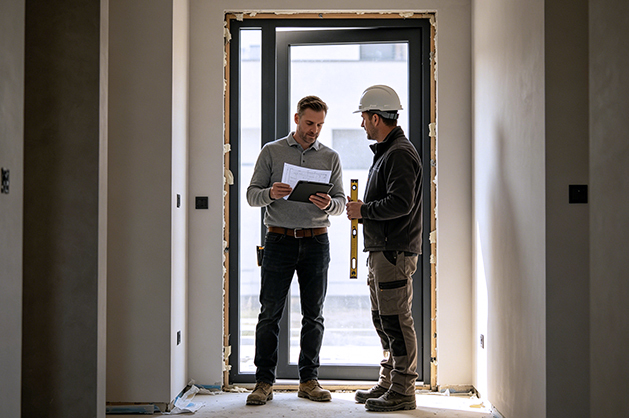
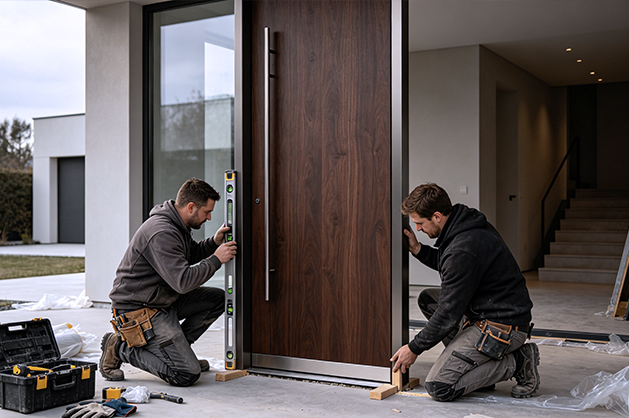
The conventional North American supply model relies on multi-tier distribution: an architectural firm specifies a door, a dealer purchases from a domestic brand, which in turn subcontracts extrusions to overseas vendors. This fragmented workflow often inflates lead times and obscures engineering accountability. The future procurement trend leans heavily toward direct partnerships with experienced manufacturers like Guangdong Dejiyoupin Doors and Windows Co., Ltd. Direct engagement ensures that custom rough openings are verified with precision CAD engineering before metal fabrication commences, eliminating jobsite rework.
2. Deep Smart-Building & Biometric Integration
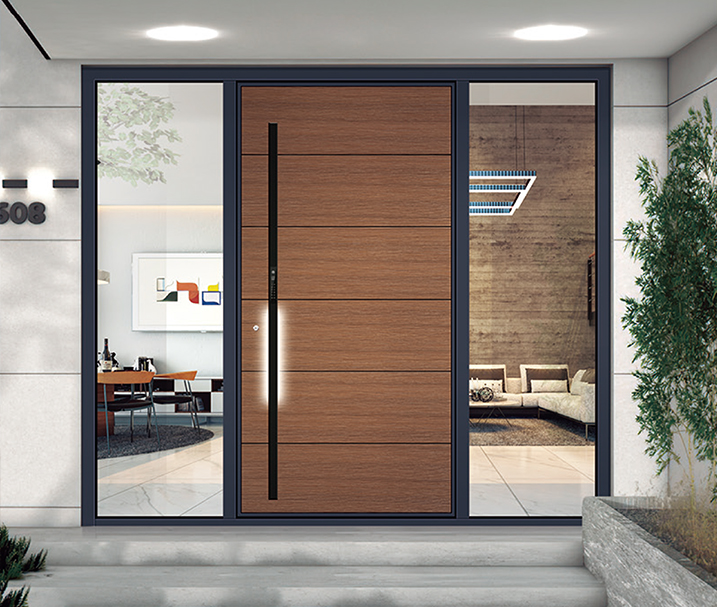
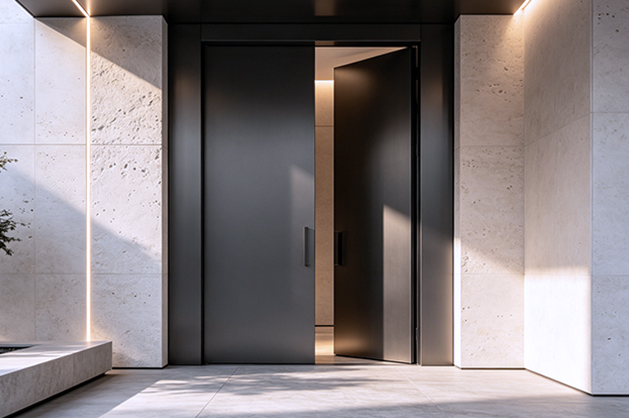
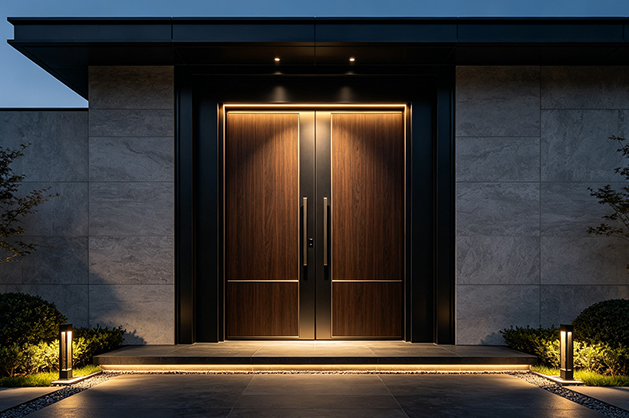
Modern luxury developments demand uninterrupted architectural surfaces without cumbersome lock hardware. Next-generation large entry door projects increasingly specify concealed motorization, fail-secure electromagnetic drop-bolts, and biometric scanners (facial recognition, fingerprint, and smartphone mobile credential access) integrated directly inside the profile core. At our Foshan production facility, our electrical engineering team embeds UL-listed wiring conduits, continuous concealed power hinges, and sensor interfaces directly into the sash during profile assembly.
3. Rigorous Energy Codes & Decarbonization Mandates
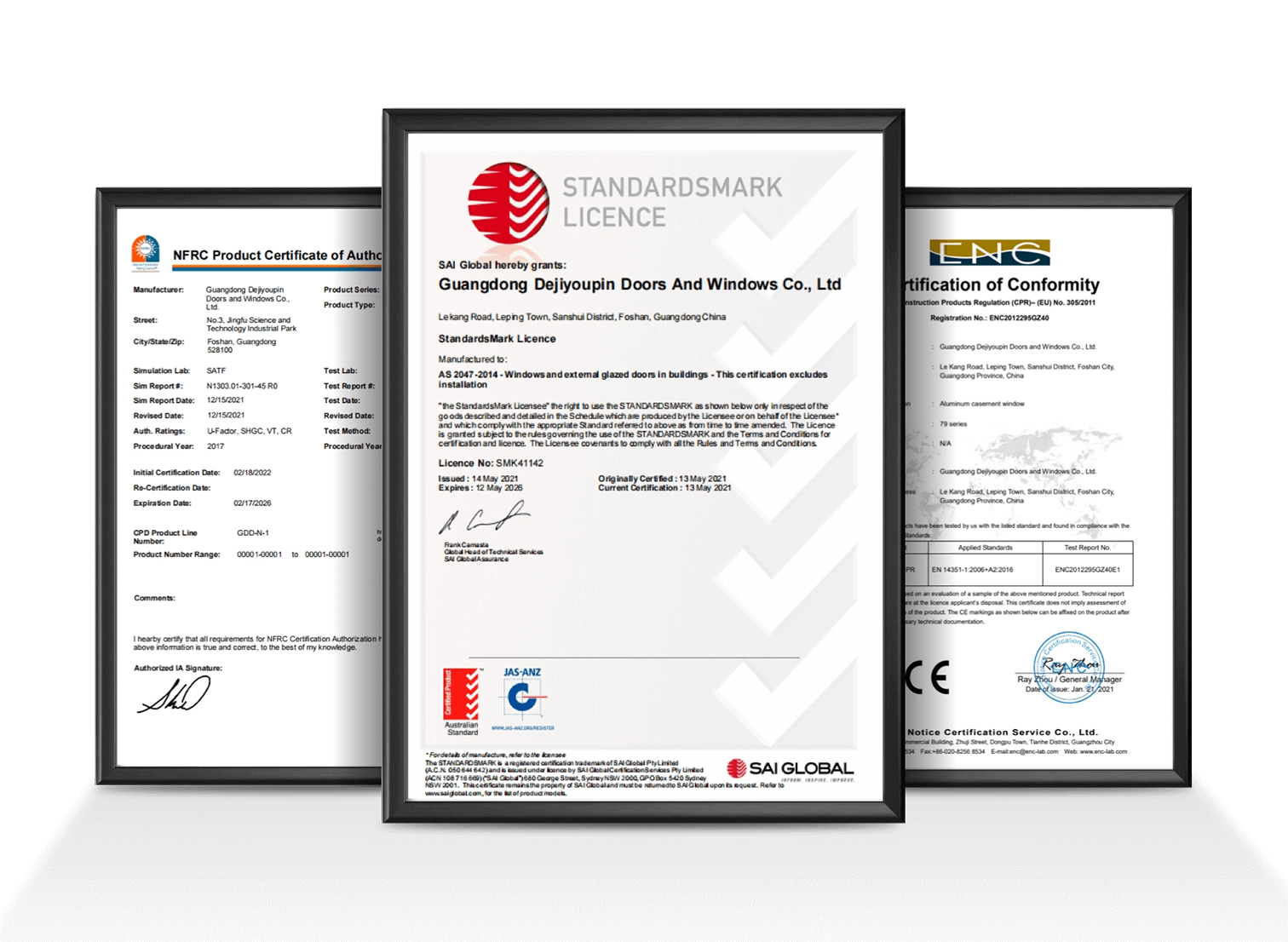
As state and provincial energy mandates (such as California Title 24, IECC standards, and the Canadian National Energy Code for Buildings) enforce stricter U-factor and SHGC thresholds, large entry doors must perform as efficiently as curtain walls. Sourcing trends reveal that high-performance multi-cavity thermal barriers with polyurethane aerosol aerogel fills are completely supplanting non-thermal hollow aluminum frames. Architects no longer need to sacrifice expansive 14-foot scale for thermal efficiency.
Ultra-Oversized Glass Panels
Advancements in glass manufacturing allow massive insulated units with oversized structural laminates that easily resist 120 mph wind-debris impacts without heavy intermediate transoms or mullions.
Sub-Flush Zero-Step Thresholds
Meeting ADA accessibility guidelines while maintaining water-tightness under horizontal driving rain is achieved via subterranean drainage channels and magnetic mechanical seals that engage only when closed.
Fluorocarbon (PVDF) 20-Year Finishes
Exterior powder coatings and anodizing systems have given way to advanced hyper-durable 70% Kynar 500 / PVDF coatings capable of withstanding UV degradation, coastal marine salt spray, and extreme temperature variations.