Choosing the best Aluminum Window supplier is not simply a price comparison. It is a decision about thermal performance, fabrication quality, documentation, and long-term service.
The International Energy Agency’s Buildings 2023 report states that buildings consume about 30% of global final energy. Windows influence heating, cooling, daylight, and indoor comfort. Grand View Research also identifies continued growth in the global aluminum windows market, driven by urban construction and demand for durable, recyclable materials. These figures suggest a crowded supply market. They do not prove that every supplier offers equal value.
Building scientist Joseph Lstiburek famously said, “A window is a hole in the wall with a piece of glass in it.” His simple warning matters when evaluating suppliers. A reliable company should explain frame thermal breaks, glass specifications, drainage paths, air leakage, water resistance, and installation tolerances. Ask for tested performance, not attractive photographs. Request certifications, project references, warranty terms, and replacement-part policies. Check whether the quoted profile matches the tested product.
Look closely.
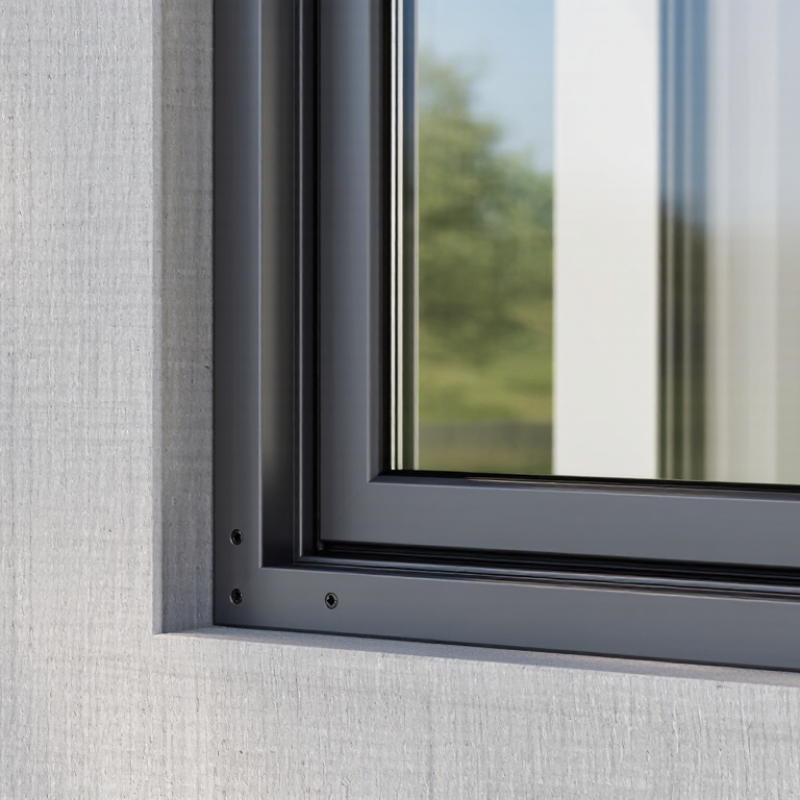
A sample corner should feel rigid, clean, and accurately assembled. The finish should remain even around joints and screw channels. I may overvalue a polished showroom, while another buyer may focus too heavily on the lowest quotation. Both approaches can fail. The better judgment comes from comparing verified tests, production consistency, delivery records, and after-sales response. This guide will help buyers examine those details before selecting an Aluminum Window supplier.
Define Your Aluminum Window Needs and Project Requirements
Before comparing aluminum window suppliers, define the project in measurable terms. Record opening sizes, wall conditions, window quantity, glazing preferences, and installation access. Note the climate, wind exposure, coastal salt, and expected service life. A south-facing bedroom may need different glass from a shaded corridor. Small details matter.
The U.S. Department of Energy reports that windows can cause 25–30% of residential heating and cooling energy use. Therefore, request tested U-factor and solar heat gain coefficient values, not vague claims about “high performance.” Confirm air leakage, water resistance, and structural ratings through recognized testing standards. The National Fenestration Rating Council also explains that certified ratings help compare window energy performance consistently. A low U-factor alone can mislead.
Ask each supplier for shop drawings, sample sections, finish specifications, warranty terms, and installation instructions. Aluminum frames should include suitable thermal breaks where energy performance matters. For coastal projects, request finish and corrosion-resistance evidence. Check whether the quoted system matches local building requirements and the actual glass weight. It sounds obvious, but mismatched hardware can cause expensive site delays. I would also measure several openings twice. Drawings are helpful, yet existing walls are rarely perfect. Leave room for drainage, sealant joints, and frame adjustment. Supplier reliability appears in these details, not only in the lowest quotation.
How to Choose the Best Aluminum Window Supplier? - Define Your Aluminum Window Needs and Project Requirements
| Requirement Area | Project Input to Define | Recommended Specification or Target | Supplier Information to Request | Why It Matters |
|---|---|---|---|---|
| Window Application | Residential, commercial, coastal, high-rise, replacement, or new construction | Select a system designed for the building type, installation method, exposure level, and local code requirements | Product application range, tested configuration, installation instructions, and project references without relying on brand claims | The same aluminum window design may not perform equally in low-rise, high-rise, or severe-weather applications |
| Opening Type | Fixed, sliding, casement, awning, tilt-and-turn, folding, or lift-and-slide | Match the opening type to ventilation, access, cleaning, escape, and available operating space | Available configurations, maximum sash size, operating hardware, and tested performance for each configuration | Opening style affects ventilation, water resistance, hardware load, safety, and usable floor area |
| Window Dimensions | Width, height, frame depth, quantity, and rough-opening tolerance | Provide a dimension schedule in millimetres; confirm individual unit sizes before production | Shop drawings, allowable size range, frame depth, mullion details, and dimensional tolerances | Correct dimensions reduce installation problems, glass stress, field modification, and material waste |
| Aluminum Frame | Required strength, frame depth, sightline, thermal-break requirement, and structural loading | Use thermally broken profiles where heating or cooling efficiency is important; select profile depth according to span and load | Alloy and temper information, profile drawings, thermal-break material, wall thickness, and structural calculations when required | Profile geometry and thermal separation influence strength, condensation risk, energy performance, and appearance |
| Glass Configuration | Climate, orientation, solar exposure, acoustic needs, safety zones, and privacy requirements | Choose single, double, or triple glazing; consider low-emissivity coating, laminated glass, tempered glass, or acoustic interlayers | Glass make-up, thickness, spacer type, gas fill if used, safety classification, and glass-performance data | Glass usually has the largest effect on heat transfer, solar gain, noise reduction, and occupant safety |
| Thermal Performance | Energy code, heating and cooling loads, climate zone, and condensation expectations | Set a project-specific whole-window U-factor target; lower U-factor generally indicates better insulation | Certified or calculated whole-window U-factor, solar heat gain coefficient, visible transmittance, and test conditions | Whole-window results are more useful than centre-of-glass values because they include the frame and edge effects |
| Air, Water, and Wind Performance | Wind exposure, building height, rainfall, storm conditions, and local testing requirements | Specify tested air leakage, water penetration, and structural-pressure performance for the complete window assembly | Test reports, pressure ratings, test size, drainage design, and performance class or grade where applicable | Performance can change with window size, configuration, glazing, joints, and installation details |
| Acoustic Performance | Traffic, aircraft, construction, neighbourhood noise, and required indoor comfort level | Define a target sound rating and select glazing thickness, laminated interlayers, and airspaces accordingly | Laboratory sound-transmission data for the exact glass and frame combination, not glass-only data | Acoustic results depend on the complete assembly and installation, including perimeter sealing |
| Finish and Corrosion Resistance | Interior and exterior colour, gloss level, coastal exposure, chemical exposure, and cleaning conditions | Specify powder coating or anodized finish, colour reference, surface texture, and required durability class | Finish warranty, coating thickness, pretreatment process, colour sample, and care instructions | Surface preparation and finish quality affect colour consistency, chalking, fading, and corrosion resistance |
| Hardware and Security | Frequency of use, accessibility, child safety, emergency egress, and security level | Specify corrosion-resistant hardware, compatible locking points, restrictors, handles, and egress requirements | Hardware material, cycle testing, replacement availability, lock details, and maintenance requirements | Hardware determines usability, security, serviceability, and long-term operating reliability |
| Safety and Compliance | Applicable building codes, safety glazing locations, fire strategy, accessibility, and escape rules | Require compliance documentation for the project location and the exact product configuration | Declarations, test certificates, safety-glazing evidence, code reports, and installation limitations | A product suitable for one market or configuration may not meet another jurisdiction's requirements |
| Installation and Interfaces | Wall type, sill condition, flashing method, insulation, sealants, drainage, and interior finishes | Coordinate window details with waterproofing, insulation, cladding, and interior finish drawings | Approved installation method, anchoring details, perimeter sealants, flashing components, and site support | Even a well-tested window can fail when the surrounding installation does not control water and air movement |
| Order Quantity and Customization | Total units, size variations, opening schedules, colour combinations, and special accessories | Prepare a signed window schedule and identify standard versus custom units before quotation | Minimum order quantity, tooling charges, sample policy, packaging method, and change-order procedure | Clear quantity and customization data improves price accuracy and reduces production errors |
| Lead Time and Delivery | Required site date, approval duration, shipping route, unloading access, and storage capacity | Separate design approval, production, inspection, transit, and contingency time in the programme | Production schedule, packaging dimensions, shipping terms, inspection process, and delay-notification procedure | Aluminum windows can be damaged or delayed when packaging, transport, and site handling are not planned |
| Quality Control and Warranty | Required inspection level, defect tolerance, warranty period, and post-installation support | Use pre-production approval, sample inspection, shipment inspection, and documented acceptance criteria | Quality-control checklist, inspection records, warranty exclusions, spare-parts process, and claim response time | Documented quality procedures make supplier performance measurable and simplify corrective action |
| Total Project Cost | Product price, glazing, hardware, packaging, freight, duties, installation, maintenance, and replacement parts | Compare total installed cost and life-cycle requirements rather than comparing frame price alone | Itemized quotation, payment terms, freight basis, taxes or duties, installation exclusions, and after-sales charges | A lower initial price may result in higher costs if performance, installation, maintenance, or replacement support is limited |
Note: Performance targets should be confirmed against the applicable local building codes, project specifications, and test conditions for the exact window configuration.
FAQS
Record opening sizes, wall conditions, window quantities, glazing preferences, and installation access. Note climate, wind exposure, coastal salt, and expected service life. Measure several openings twice. Existing walls are rarely perfect.
Request tested U-factor, solar heat gain coefficient, air leakage, water resistance, and structural ratings. Avoid vague claims like “high performance.” A low U-factor alone can mislead.
A south-facing bedroom may need different glass from a shaded corridor. Consider sunlight, heat gain, glare, and local climate. Small details matter.
Request shop drawings, sample sections, finish specifications, warranty terms, and installation instructions. Also request written tolerances and corrective-action records. Ask for evidence.
Thermal breaks matter when energy performance is important. They reduce heat transfer through the frame. Confirm the quoted system includes them.
Ask for similar project examples, installation feedback, and records of solved problems. Residential, commercial, and high-rise work require different skills. One polished sample proves little.
Observe extrusion, cutting, thermal-break assembly, coating, glazing, and final inspection. Check equipment maintenance, staffing, quality checkpoints, and production schedules. Capacity matters.
Inspect corners, drainage holes, seals, surface finish, and hardware alignment across several batches. Mismatched hardware can cause site delays. Factory visits cannot reveal every future delay. Leave room for doubt.
Conclusion
Choosing the best Aluminum Window supplier begins with clearly defining your project requirements, including window sizes, opening styles, energy-efficiency goals, appearance, budget, and installation conditions. A suitable supplier should have proven industry experience, relevant certifications, reliable production capacity, and the ability to meet both standard and customized specifications. Compare the materials, frame designs, glass options, thermal performance, weather resistance, security features, and available finishes to ensure the products match your building’s needs.
Before making a decision, carefully review pricing, warranty coverage, delivery schedules, payment terms, and installation or after-sales support. A low price should not outweigh product quality, service reliability, or long-term performance. To verify the supplier’s credibility, request product samples, examine technical documents, contact previous customers, and, when possible, visit the production facility or completed project sites. This practical evaluation will help you select a dependable partner and achieve a successful, durable window installation.