Comparing Aluminium Windows Prices is not a matter of choosing the lowest figure. A quote can cover only the frame, or include glazing, hardware, installation, and finishing. Two prices may look similar while describing very different windows. Check the details.
The International Energy Agency reports that buildings account for about 30% of global final energy consumption. That context makes glazing and thermal performance relevant to long-term value, not just the invoice. IEA Executive Director Fatih Birol has described energy efficiency as “the first fuel.” His phrase concerns energy use, not window pricing directly, but it highlights why purchase cost alone can be a poor comparison.
For a fair comparison, record each window’s dimensions, opening style, aluminium profile, thermal break, glass specification, finish, and warranty. Then separate product cost from delivery and installation. A slim black frame beside a wide patio opening may require different materials and labour than a small standard casement. Ask suppliers to identify exclusions in writing. Small details matter.
One limitation deserves attention: advertised prices rarely reveal the full specification. Even a careful comparison can miss local installation conditions or future maintenance needs. This guide explains how to compare Aluminium Windows Prices using consistent specifications, transparent quotes, and realistic ownership costs. It cannot replace a site-specific assessment, but it can help you ask sharper questions before committing.
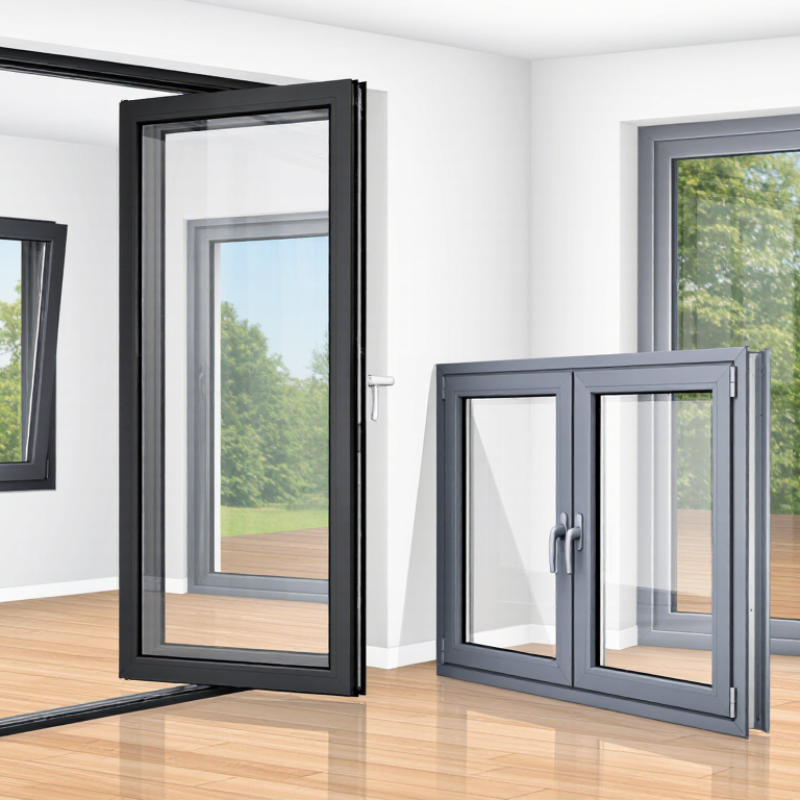
Before requesting aluminium window quotes, write down the exact opening size and how it was measured. Record width and height at several points, since older openings may not be square. Use the smallest measurements as a useful starting reference, but confirm whether suppliers need the structural opening or finished frame size. A small measuring difference can change the quote, especially across several windows. Check this on site.
Then define the style: fixed, sliding, or hinged windows can have different hardware and installation needs. Note which way each sash should open, and whether handles must clear nearby walls or furniture. Performance matters too. Specify glazing needs for heat control, noise reduction, and privacy, along with relevant local climate conditions. If a room faces a busy road, acoustic performance may matter more than it does in a quiet bedroom. Ask for comparable specifications, including frame depth, glass configuration, seals, and stated thermal ratings. Otherwise, a lower price may simply reflect a different product. It is tempting to request a quick estimate from rough dimensions; I would still verify them before comparing final offers. The details feel tedious. They prevent costly assumptions.
Define the Window Size, Style, and Performance Requirements
These example dimensions show how window area changes with size; each area is calculated as width × height. For a fair price comparison, request quotes for the same dimensions and opening style, and specify glazing and thermal-performance requirements such as U-factor and SHGC. Larger area can increase material needs, while style and performance choices also affect the final price.
A fair aluminium window comparison starts with the specification, not the headline price. Check that each quote covers the same window sizes, opening styles, frame depth, and aluminium profile. Ask whether the frames include thermal breaks, and note the finish type and colour. Small differences add up. Glazing matters too: compare the number of panes, glass thickness, coatings, and any stated insulation or safety performance. Check which handles, locks, hinges, gaskets, and drainage details are included. A low price may reflect a simpler specification rather than better value. It is easy to overlook one small line.
Services can change the final cost just as much as materials. Confirm whether the price includes a site survey, final measurements, delivery, removal of old windows, and disposal. Ask who handles installation, sealing, interior trim, and repairs to surrounding walls. If access equipment or extra labour may be needed, find out how those costs are calculated. Get the warranty terms in writing, including what covers the frame, glass, hardware, and installation. Even careful buyers can miss an exclusion. A clear, itemised quote makes differences visible, though comparing every detail takes patience.
Compare Quotes for Matching Specifications and Installation
Aluminium window quotes are only comparable when they describe the same product. Check each opening’s width and height, frame depth, finish, glazing, and opening style. A slim sliding window and a deep, thermally broken casement are not equivalent, even if their sizes look similar. Small differences matter. Ask for the glass specification and hardware details, too. These affect comfort, appearance, and long-term use.
Installation can change the total considerably. Check whether the quote includes a site survey, removal of old frames, disposal, access equipment, sealing, and repairs around the opening. Confirm who handles measurements and what happens if the existing walls are uneven. Request an itemised price, plus written details of the installation warranty. A low quote may omit work you assumed was included. That is easy to miss.
Tips: Put every quote beside one shared specification list. Mark missing details before comparing totals. Ask installers to explain unclear allowances in writing. A quick phone assurance is useful, but it is not a substitute for a clear document. Even careful comparisons have limits: site conditions can reveal extra work after installation begins. Be cautious of precise totals issued without a proper survey.
When comparing aluminium window prices, compare the full specification, not just frame size or glass count. The U.S. Department of Energy’s Energy Saver guidance estimates that heat gain and loss through windows account for about 25–30% of residential heating and cooling energy use. That makes energy ratings financially relevant. Check each National Fenestration Rating Council label for U-factor and solar heat-gain coefficient. A lower U-factor generally means less heat transfer; SHGC indicates how much solar heat enters. Compare like with like. A cheaper unit may perform differently.
Then price the warranty and likely ownership costs. Ask whether coverage includes insulated-glass seal failure, finishes, hardware, labor, and removal. Exclusions and transfer rules matter. Get the terms in writing. Aluminium frames can last, but coating exposure, drainage, installation quality, and thermal-break design affect real-world performance. Compare expected maintenance and replacement timing alongside the initial quote. ENERGY STAR’s residential window criteria vary by climate zone, so a suitable rating in one region may not suit another. That comparison is imperfect: bills also depend on orientation, shading, and heating habits. Request itemized quotes using the same assumptions. A lower quote can still cost more over time.
Aluminium window prices can differ even when two quotes list similar sizes. Compare the complete specification, not just the frame price. Check each opening’s dimensions, glazing type, frame finish, hardware, and included installation work. A low quote may exclude removal of old windows, sealing, or interior trim. That matters. Ask for an itemised breakdown so you can see what is—and is not—included.
Tips: Request quotes using the same window schedule. Compare glass performance, security features, warranty terms, and expected maintenance. Confirm whether delivery, fitting, and disposal are included. Keep the details in writing.
For overall value, consider how each option suits the building and its daily use. A larger glazed area may bring more daylight, but it can also affect heat gain and comfort. Ask how the proposed glass and frame perform in your climate, and whether the installer has experience with similar openings. Check that measurements and site conditions are confirmed before ordering. I would not choose by the lowest total alone; though, it is tempting when budgets are tight. A clear quote, suitable specification, and reliable installation often matter more than small differences in the headline price. If details remain vague, ask again before committing.
Compare the full specification, not only frame size or price. Check glazing, finish, hardware, installation, and removal costs. Details matter.
U-factor indicates how readily heat passes through a window; lower values generally mean less heat transfer. Solar heat-gain coefficient shows how much sunlight heat enters. Compare similar products.
It may have weaker thermal performance or exclude fitting, sealing, old-window removal, and interior trim. A low quote can grow.
Ask about glass-seal failure, finishes, hardware, labour, and removal. Check exclusions and transfer rules. Get it in writing.
A suitable rating depends on your climate and building. Orientation, shade, and heating habits also affect comfort and energy bills. It is not a perfect calculation.
Ask for each opening’s dimensions, glazing type, finish, hardware, delivery, fitting, disposal, and any sealing or trim work. Keep the details together.
They may bring in more daylight, but can also change heat gain and comfort. Ask how the proposed glass suits your climate and room orientation.
Coating exposure, drainage, installation quality, and thermal-break design all matter. Ask about expected maintenance and replacement timing. I might still miss something.
Comparing Aluminium Windows Prices starts with defining the size, style, and performance requirements for your project. Consider the number of windows, frame design, glazing needs, and any features that may affect cost. A clear specification makes it easier to understand what each quote includes and helps prevent comparisons between products that are not truly alike.
Review the materials, hardware, delivery, and installation services listed in each price. Compare quotes based on matching specifications, then assess energy ratings, warranty coverage, and potential long-term costs such as maintenance and energy use. The lowest initial price may not offer the best overall value if important services or performance features are missing. By weighing the complete package against your project’s needs and budget, you can make a more informed choice.