Export Solutions
High-Performance Architectural Fenestration Systems
Engineered for extreme wind loads, peak acoustic isolation, and superior thermal efficiency across North American and European building codes.
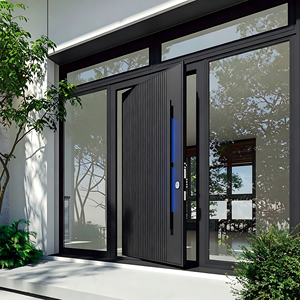
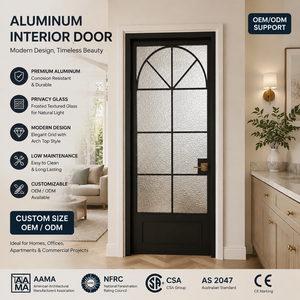
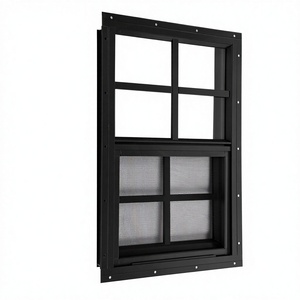
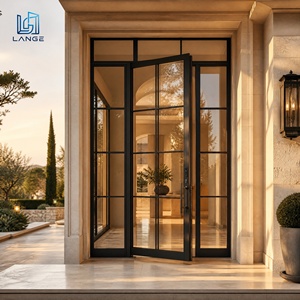
180,000 m²
Integrated Production Base
600+
Engineers & Craftsmen
100+
Global Patents & Testing Audits
25+
Years Continuous Innovation
Executive Technical Briefing
Engineering Standards & Global Procurement Trends
A technical evaluation guide for commercial developers, architects, and international building contractors specifying CE-certified fenestration.
Alu-Clad Wood Thermal Convergence
Modern architectural projects demand the warmth of FSC-certified timber internally, shielded externally by extruded 6063-T6 aluminum alloys. This hybrid prevents interior moisture damage and eliminates thermal bridging, fulfilling Passivhaus U-value constraints down to Uw ≤ 0.8 W/(m²K).
Thermal breaks utilize multi-cavity polyamide PA66 GF25 insulating strips to minimize coefficient variance across seasonal freeze-thaw cycles.
Stringent CE Mark Compliance (EN 14351-1)
European and North American specifiers require documented resistance against heavy dynamic structural loads. Standard products must deliver Class 4 Air Permeability, Class 9A Water Tightness, and Class C5 Wind Load Resistance.
Our verified factory testing includes full physical chamber evaluations to guarantee zero deflection on high-rise, hurricane-prone curtain and storefront assemblies.
Predictive Procurement & Low-Carbon Supply
BIM-integrated procurement models are now mandatory for commercial developments. General contractors are prioritizing manufacturers capable of generating custom LOD 300 Revit families and free engineering shop drawings prior to production sign-off.
Furthermore, life-cycle carbon tracking mandates lower embodied energy in aluminum recycling, demanding verified surface treatments such as Qualicoat Class 2 powder coatings and seaworthy PVDF finishes.
| System Parameter | Thermal-Break Aluminium | Solid Architectural Wood | Alu-Clad Composite Wood |
|---|---|---|---|
| Thermal Performance (Uw) | 1.2 – 1.6 W/(m²·K) | 1.0 – 1.4 W/(m²·K) | 0.78 – 1.1 W/(m²·K) |
| Structural Deflection Resistance | Exceptional (Class C5 / High Rise) | Moderate (Prone to moisture swelling) | Superior (Dual-Core Stability) |
| Exterior Surface Maintenance | Near Zero (Fluorocarbon/Anodized) | High (Repainting/Resealing every 3-5 yrs) | Virtually Maintenance-Free |
| Acoustic Isolation (Rw) | 38 – 42 dB (Acoustic laminated glass) | 40 – 44 dB (Natural dense grain dampening) | 42 – 48 dB (Decoupled dual-material) |
| Target Application | Modern Villas, Storefronts, Bi-Fold Balconies | Heritage Renovations, Chalets | Ultra-Luxury Estates, Passive House Complexes |
Enterprise Strengths
Guangdong Dejiyoupin: Modern Engineering Mastery
Combining 25+ years of precision manufacturing with end-to-end overseas supply chain infrastructure.
180,000 m² Direct Mega-Facility
Unlike trading intermediaries, all profile machining, wood milling, multi-point hardware integration, and double/triple glazing assembly are completed under strict ISO 9001 internal auditing protocols in Foshan, Guangdong.
Complimentary CAD & BIM Drafting
We eliminate on-site installation errors by converting your architectural schedules into detailed structural submittals, glass load assessments, and precision CAD cross-sections for sign-off prior to batch production.
Proven North American & EU Logistics
Every window and door system is securely protected using marine-grade plywood export crates, corner-dampening armor, and vacuum-sealed desiccant wrappers, coordinating with freight forwarders for direct jobsite offloading.
Procurement Knowledge Base
Frequently Asked Questions by Project Specifiers
Essential guidance on CE compliance, lead times, structural customization, and logistics management.
What specific test parameters confirm that your windows meet CE EN 14351-1 standards?
Our fenestration assemblies are certified under standard EN 14351-1 through accredited third-party notified laboratories. The certification verifies air permeability (EN 1026/EN 12207 Class 4), water tightness under static and dynamic air pressure (EN 1027/EN 12208 Class 9A or better), resistance to wind load deflection (EN 12211/EN 12210 Class C5), acoustic reduction indices (ISO 10140-2), and overall thermal transmittance (EN ISO 10077-1/2). Full Declaration of Performance (DoP) documents are provided with every export consignment.
How do you resolve differential thermal expansion between external aluminum and interior wood?
Aluminum alloys and natural timber possess substantially different coefficients of thermal expansion. In our alu-clad systems, the external aluminum frame is never rigidly fixed directly to the interior wood sash. Instead, it is connected via engineered composite nylon sliding clips. These clips accommodate multi-directional linear expansion and contraction caused by seasonal climate shifts while preserving the structural seal and preventing wood warpage or finish delamination.
What is the standard production cycle and lead time for custom container orders?
Upon final engineering sign-off of our shop drawings and color/glazing samples, typical production lead times range between 25 and 35 working days, depending on hardware selections (such as German Siegenia or Roto multi-point gearboxes) and glass configuration (e.g., custom ceramic frit, laminated Low-E, or triple argon units). Ocean freight transit times range from 18 to 30 days to Western/Eastern US ports, and 28 to 35 days to principal European hubs.
Can you manufacture fenestration systems tailored to imperial rough openings and regional codes?
Yes. North American residential projects require direct fabrication to fractional inch rough openings, integrating integrated nail fins, Florida hurricane-impact glass laminations, or specific California Title 24 U-factor requirements. Our engineering division works directly with your structural blueprints, generating submittal drawings in both imperial and metric systems.
What wood species and surface treatments are utilized for structural stability?
We exclusively process sustainably sourced, FSC-certified timber including European Larch, White Oak, American Black Walnut, and Canadian Hemlock. All lumber undergoes multi-layer kiln drying to maintain an optimal moisture content of 10% (±2%), followed by finger-jointing and 3-ply cross-lamination to eliminate internal grain tension. Surfaces are treated with eco-friendly German waterborne microporous primers and topcoats that resist mould, rot, and UV degradation.