Featured Architectural Aluminium Systems
Explore our factory-engineered configurations, spanning thermal break profiles, bi-fold kitchen transitions, heavy-duty coastal framing, and impact-certified glazing systems manufactured to CE standards.
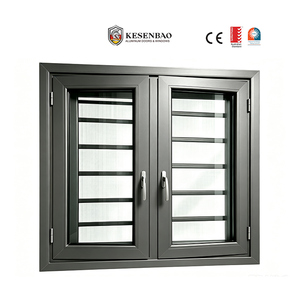
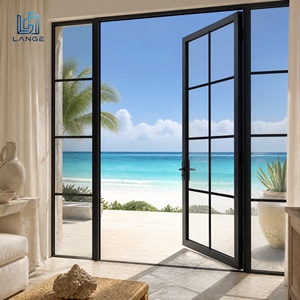
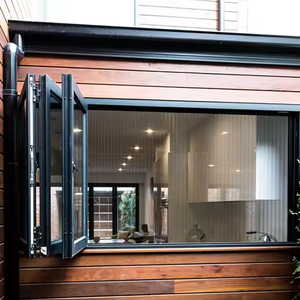
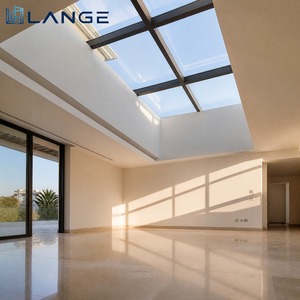
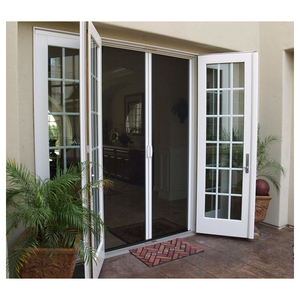
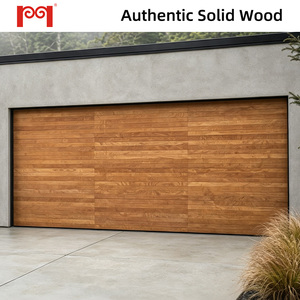
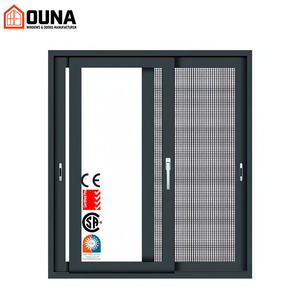
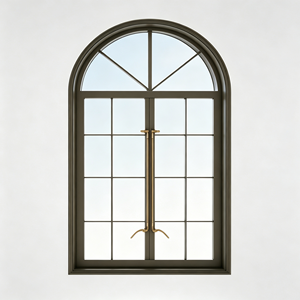
Engineering Principles of CE-Certified Kitchen Door Systems
Modern architectural kitchens operate under extreme microclimates—combining grease exposure, high internal humidity, and thermal variance between climate-controlled living rooms and cooking quarters. Specifying true CE-marked aluminium profiles ensures long-term operational integrity and life safety.
Alloy Metallurgy & EN 12020 Compliance
DERCHI kitchen systems are extruded from architectural-grade 6063-T5 and 6063-T6 virgin aluminium billets. Unlike uncertified alternatives utilizing high scrap content, our alloys maintain strict chemical purity, achieving tensile strength exceeding 160 MPa and elongation rates that prevent frame micro-fissuring under continuous cycle stress.
Polyamide Thermal Barriers (PA66 GF25)
Thermal condensation along kitchen doors invites microbial growth and frame discoloration. We integrate 24mm to 34mm glass-fibre reinforced polyamide (PA66 GF25) thermal break strips within our aluminium jambs and stiles, delivering U-values down to 1.3 W/m²K to permanently decouple internal moisture zones from external or exterior air pockets.
Hermetic Perimeter & EPDM Gasketing
Vapor, aerosolized oils, and aroma transmission require complete mechanical isolation. Our systems employ continuous, vulcanized cellular EPDM multi-chamber gaskets. Resistant to heat deterioration and acidic compounds, this system guarantees air permeability classification up to Class 4 under European testing norm EN 12207.
Future Procurement Trends & Architectural Evolution
As residential architects and developers pivot toward multifunctional culinary layouts, the procurement criteria for aluminium kitchen entrance and division systems are experiencing a paradigm shift toward sustainability, acoustic dampening, and flush threshold integration.
| Dimension | Legacy Procurement (Standard Spec) | Next-Generation CE Benchmark (DERCHI Standard) | Architectural & Lifecycle Impact |
|---|---|---|---|
| Profile Thickness | 1.2mm – 1.4mm non-thermal aluminium | 2.0mm structural extrusion with multi-cavity thermal break | Zero sash deflection on doors exceeding 3000mm height; allows floor-to-ceiling panoramic glass. |
| Threshold Design | Raised 25mm–35mm step-over water barrier | Flush embedded zero-barrier magnetic track with integrated drainage | ADA-compliant, barrier-free transitions connecting kitchen work areas seamlessly with living lounges. |
| Surface Protection | Standard liquid paint or thin powder coating (40μm) | Fluorocarbon PVDF or Qualicoat Seaside certified powder (80μm+) | Complete resistance to caustic kitchen detergents, cooking heat, and airborne sodium in coastal zones. |
| Acoustic Isolation | Single monolithic toughened glass (Rw 28 dB) | Double-glazed acoustic laminated glass with argon fill (Rw 38–42 dB) | Eliminates dishwashing and ventilation appliance noise from invading living and dining environments. |
| Hardware & Pivot | Visible top-hung steel runners prone to grease jamming | Concealed bottom-loaded stainless steel bearings & soft-close hydraulic dampers | Rated for 200,000 continuous opening cycles under heavy dual-glazed sash loads up to 300kg. |
Guangdong Dejiyoupin Doors & Windows Co., Ltd.
With over 25 years of specialized door and window engineering, DERCHI operates one of Asia's most advanced architectural manufacturing hubs in Foshan, China. We bridge European certification rigor with direct-from-factory value for global contractors and developers.
Bespoke CAD/BIM Detailing
Our dedicated engineering department converts complex architectural door schedules into fully realized structural shop drawings and BIM components within 48 hours.
Certified Testing Authority
Beyond our CE approvals, our factory-engineered configurations achieve AS 2047 N6 cyclonic wind testing, ISO 9001 compliance, and UL fire ratings verified by third-party testing bodies.
End-to-End Processing
From primary aluminium alloy melting and extrusion to automated multi-axis CNC milling, glass tempering, and gas-filled IGU assembly—every process is kept completely in-house.
Consolidated Freight Handling
We pack every custom order inside reinforced, moisture-sealed export timber crates designed for overseas container shipping, preventing surface abrasions and track distortion during transit.
Frequently Asked Questions by Commercial Buyers
Essential technical, compliance, and logistics clarifications for project specifiers, general contractors, and door distributors sourcing direct from the factory.
What specific EN test criteria govern CE certification for aluminium kitchen doors? +
Can DERCHI fabricate kitchen doors to custom imperial and metric rough openings? +
How does the factory prevent roller degradation from kitchen oils and grease? +
What glass configurations are recommended for acoustic kitchen separation? +
What is the standard production timeline and packaging for overseas freight? +
Can multi-panel bi-fold kitchen doors fold completely flat against perimeter walls? +
Accelerate Your Project with Factory Engineering Support
Direct factory communication ensures zero technical discrepancies between your architectural intent and final assembly. Connect with our senior engineering desk for custom door schedules, structural calculation packages, and direct B2B supply quotations.
Contact Us