Exterior Rated
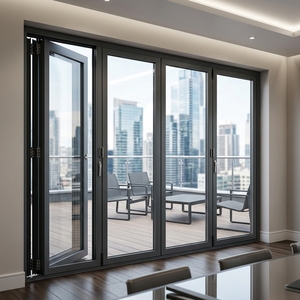
Manufactured under strict ISO 9001 and CE compliance protocols. Every unit delivers maximum corrosion immunity against heavy detergency and airborne chloramines.
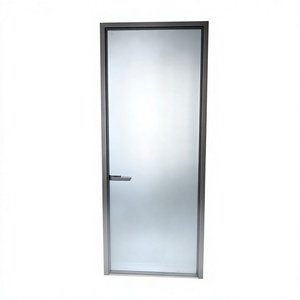
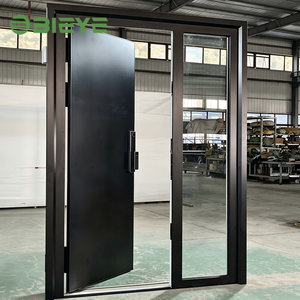
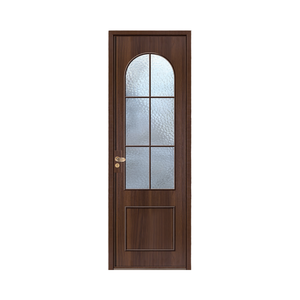
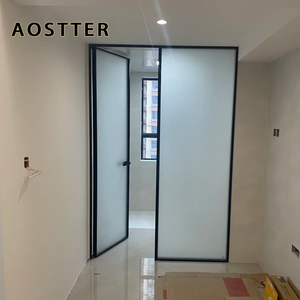
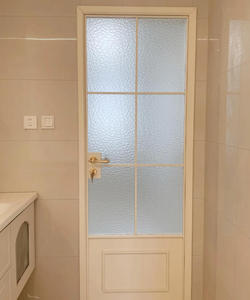
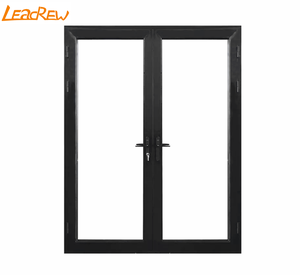
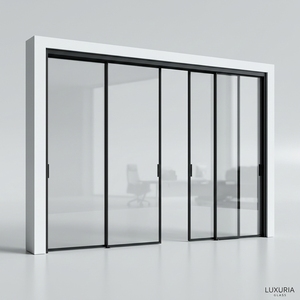
Architectural laundry enclosures represent one of the most volatile ambient transitions in residential, hospitality, and institutional clean-space construction. Unlike typical interior partition apertures, a door serving a laundry utility zone experiences sustained shifts between intermittent relative humidity spikes (>90% RH), mechanical vibrational stresses from extraction equipment, and ambient aerosolization of alkaline and acidic surface-active agents.
When sourcing from certified aluminum laundry door factories, specification teams must look beyond superficial aesthetics. The integration of EN 12020-2 / ASTM B221 extruded 6063-T5 or 6063-T6 aluminum alloys provides the core framework necessary to counteract dimensional distortion. Unlike standard timber assemblies that swell, rot, and harbor fungal colonies under thermal fluctuations, or cold-rolled mild steels prone to edge corrosion at screw penetrations, engineered architectural aluminum systems offer lifetime dimensional equilibrium.
The insertion of high-density polyamide (PA66 GF25) thermal insulation strips interrupts interior-to-exterior thermal transmission, decisively preventing dew-point condensation along internal profiles that leads to mold development.
Continuous exposure to detergent particulates, bleach aerosols, and fabric softening mist accelerates micro-pitting. We implement certified architectural powder coatings and multi-stage anodizing resisting in excess of 1,000 hours salt-spray testing.
Industrial multi-cavity perimeter EPDM sealing coupled with structural elastomeric glazing gaskets prevents secondary buzz resonance induced by high-RPM washer spin cycles, lowering acoustic transmission up to 38 dB Rw.
A reference dataset used by structural consultants, commercial specifiers, and procurement officers during project submittal evaluations.
| Performance Vector | Architectural Grade Aluminum (DERCHI) | Standard Softwood / Engineered MDF | Hollow Metal (Cold-Rolled Carbon Steel) |
|---|---|---|---|
| Hydrophobic Stability | 100% moisture-impervious; zero expansion or rot index | Prone to swelling, veneer lifting, fungal degradation | Internal rust potential along weep gaps & weld seams |
| Chemical Detergent Resistance | High resistance via PVDF or Class 2 Qualicoat finishes | Chemical leaching discolors paint & breaks down adhesives | Moderate; scratches trigger rapid galvanic corrosion |
| Structural-to-Weight Ratio | Optimal; facilitates oversized pivot/sliding leaves effortlessly | Low; thick stiles required, prone to sagging over time | Extremely heavy; demands costly reinforced structural rough bucks |
| CE / Life-Cycle Certification | Full EN 14351-1 conformity; 100,000+ cycle testing passed | Rarely certified for moisture containment environments | Industrial fire rating common, but acoustic/thermal seal lacking |
How international regulatory mandates and smart building architectures are redefining commercial door supply chains.
Global procurement teams across North America and Europe are rejecting high-embodied-carbon fabrications. Our production facilities deploy low-carbon aluminum billets processed via renewable hydropower, accompanied by verifiable EPD (Environmental Product Declaration) documentation to help clients earn LEED and BREEAM certifications.
The rise of compact urban living has made quiet operation essential. Next-generation utility doors integrate concealed mechanical drop-seals into the base rail. These seals actuate automatically when the panel engages the frame, hermetically sealing laundry detergent vapors and suppressing sound without requiring raised floor thresholds that obstruct accessibility.
Modern commercial laundry facilities, clean utility rooms in healthcare centers, and luxury residential suites require integrated smart hardware prep. Factory-milled pockets support electrified locks, magnetic contact sensors, and biometric scanners that integrate directly with Building Management Systems (BMS).
Combining 25+ years of engineering rigor, a 180,000 m² advanced manufacturing footprint, and worldwide certifications to deliver precision-engineered door systems.
Our solutions hold rigorous CE, ISO 9001, AS 2047 (achieving the demanding N6 cyclonic testing benchmark), and UL fire-rated certifications. With over 100 certificates and technical patents, our products pass structural and fire-safety plan checks without delays.
Eliminate project delays and communication gaps. Our in-house engineering team works directly with your architectural drawings, door schedules, and rough opening dimensions to produce complimentary, fully engineered shop CAD drawings prior to metal extrusion and fabrication.
Streamline logistics and paperwork by sourcing your entrance pivot systems, exterior casement units, interior flush doors, and heavy-duty utility doors from a single reliable factory. We build custom ocean-freight crates to ensure damage-free delivery directly to your job site.
Essential guidance for architects, quantity surveyors, and project managers procuring commercial-grade aluminum laundry door systems.
Consult with our structural engineering team today to review your project drawings, confirm local building code compliance, and receive factory-direct pricing for your development.
Get a Quote