Engineered Architectural Solutions for Modern Building Portfolios
Explore our precision-manufactured exterior entrance, pivot, utility, and secondary egress back doors tested to strict European CE (EN 14351-1), Australian AS 2047, and North American UL safety benchmarks.
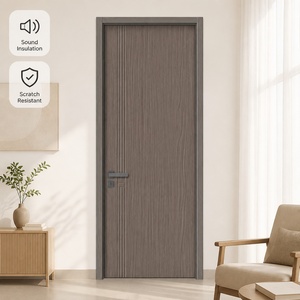
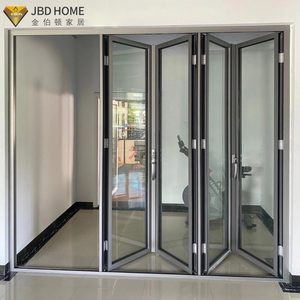
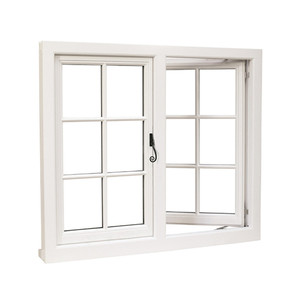
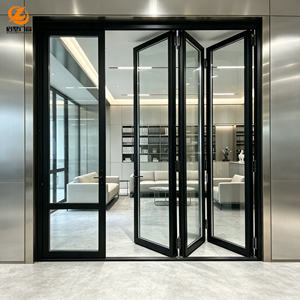
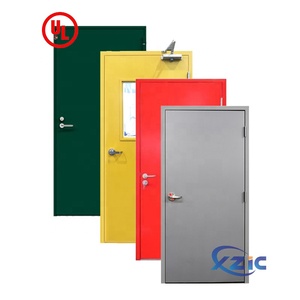
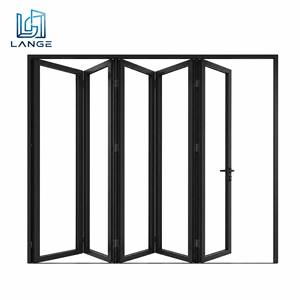
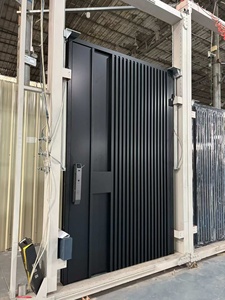
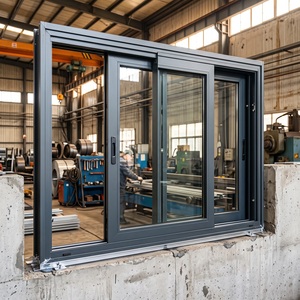
Engineering Integrity of CE-Certified Aluminum Back Door Systems
In modern architectural fenestration, the specification of exterior secondary egress systems—commonly known as back doors, utility terrace doors, or kitchen garden thresholds—demands rigorous engineering that equals or exceeds primary entrance parameters. While main entrances frequently prioritize aesthetic curb appeal, an aluminum back door carries high structural exposure, serving as the frontline defense against unshaded storm wind-loads, thermal bridging, forced-entry intrusion, and relentless moisture penetration.
As premier CE-certified aluminum back door manufacturers and worldwide exporters, Guangdong Dejiyoupin Doors and Windows Co., Ltd. (DERCHI) engineers fenestration profiles that conform to European harmonized standard EN 14351-1:2006+A2:2016. This framework mandates strict verification of mechanical durability, air tightness (EN 12207), water permeability (EN 12208), wind resistance (EN 12210), and dangerous substance migration. By utilizing high-tensile 6063-T6 architectural grade aluminum extrusions integrated with multi-chamber polyamide (PA66 GF25) thermal breaks, our systems effectively isolate interior thermal envelopes from harsh outdoor extremes.
| Evaluation Parameter | Harmonized Test Standard | DERCHI Engineering Benchmark | Real-World Functional Benefit |
|---|---|---|---|
| Air Permeability | EN 12207 / ASTM E283 | Class 4 (≤ 3 m³/(h·m²) at 600 Pa) | Virtually eliminates cold winter drafts and conditioned air exfiltration. |
| Watertightness | EN 12208 / ASTM E331 | Class E1050 (Exceeds 1050 Pa driving rain) | Prevents water ingress during typhoon-force and severe coastal downpours. |
| Wind Load Resistance | EN 12210 / AS 2047 N6 | Class C5 (Relative frontal deflection < 1/300) | Zero sash deflection or structural pop-out under high-rise hurricane loads. |
| Thermal Transmittance (Ud) | EN ISO 10077-1 / NFRC | Down to 0.95 W/(m²·K) with Triple Glaze | Meets Passive House and strict North American & EU low-energy criteria. |
| Burglar Resistance | EN 1627 - EN 1630 | RC2 / RC3 Certified Multi-point Locking | Hardened steel anti-lift bolts stop crowbar and physical forced intrusion. |
Intrusion Resistance (RC2/RC3)
Rear entryways are historically targeted by more than 60% of residential burglaries due to sheltered sightlines. DERCHI CE-certified aluminum back doors incorporate multi-point perimeter gearboxes, anti-drill cylinder shields, and internal glazing beads that eliminate glass pop-out risks.
Thermal Decoupling Systems
Through high-density 24mm to 34mm polyamide insulation strips reinforced with 25% chopped glass fiber, our doors prevent internal surface condensation, mold growth, and winter frost build-up even when exterior temperatures drop to -30°C across Canada and Northern Europe.
Continuous EPDM Gasketing
Vulcanized synthetic automotive-grade EPDM rubber seals are installed without corner seams. Coupled with dual-fin sill sweeps and concealed drainage check-valves, these seals deflect moisture while maintaining elastic memory over 300,000 continuous operating cycles.
Future B2B Procurement Trends for Commercial & Residential Projects
As commercial developers, architectural practices, and international building component importers project their inventory needs toward 2030, systemic changes are reshaping the door and window supply chain. Procurement teams are moving away from fragmented regional fabricators toward scaled, fully certified OEMs capable of providing end-to-end parametric modeling, environmental accountability, and unified factory warranties.
Decarbonization & EPD Verification
Global architectural specifications increasingly require documented Environmental Product Declarations (EPDs). Sourcing partners seek doors extruded using hydro-powered low-carbon aluminum billets that lower embodied emissions by up to 65% compared to coal-smelted alternatives, supporting LEED Platinum and BREEAM certifications.
Smart Biometrics & Building Automation
Secondary entrances are moving beyond legacy physical keys. Emerging project tenders specify factory-integrated 12V/24V concealed wiring conduits, motorized multipoint latches, discreet biometric sensors, and Matter-compatible IoT protocol linkages directly embedded during profile assembly.
Factory Prefabrication & Sub-assembly
Rising jobsite labor costs across North America and Europe have rendered on-site glazing and hardware fitting economically unfeasible. Forward-thinking procurement strategies favor complete pre-hung systems with pre-shimmed sub-frames, integral flashings, and factory-torqued heavy-duty hinges ready for immediate opening insertion.
Technological Breakthroughs in Aluminum Back Door Manufacturing
Historically considered purely functional or secondary elements, back doors have undergone substantial architectural evolution. Today's luxury developments, contemporary villas, and modular urban dwellings treat secondary entries as critical visual and functional extensions of indoor-outdoor transitions. Our R&D center in Foshan continuously incorporates innovative hardware geometries, surface passivation treatments, and glass formulations to elevate product lifespan and user interaction.
Ultra-Low Barrier Thresholds (Barrier-Free Transition)
Traditional back doors frequently rely on bulky raised thresholds to achieve watertightness, creating trip hazards that violate DIN 18040 and ADA barrier-free design standards. DERCHI engineers have solved this via an innovative magnetic mechanical drop-seal mechanism and subterranean drainage trough. When the door closes, twin internal magnets release an extruded silicone sealing blade against a flush 0-millimeter threshold sill, achieving water tightness up to 900 Pa without requiring an elevated physical step.
This development makes our aluminum back doors particularly attractive for aging-in-place residential layouts, healthcare developments, high-traffic hospitality utility zones, and modern pool terraces.
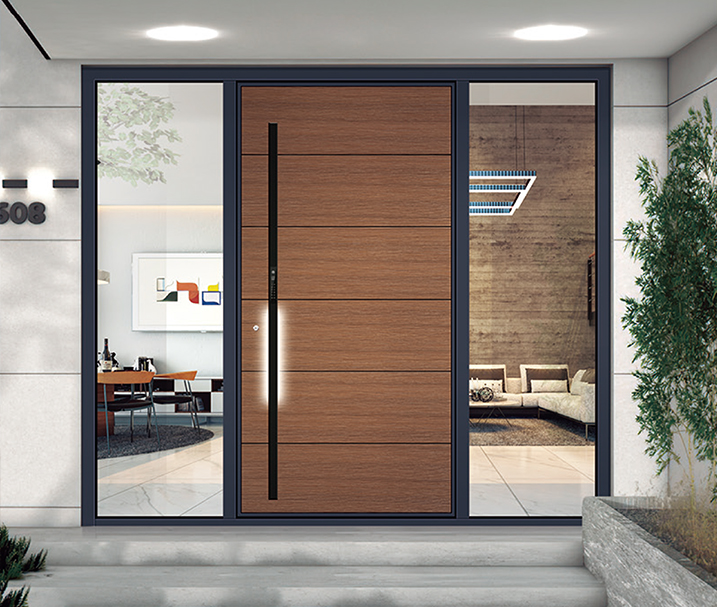
Qualicoat Class 2 & Fluorocarbon Finishing
Secondary back doors placed adjacent to gardens, industrial backyards, or ocean-facing terraces encounter fertilizer chemicals, soil humidity, and salt spray. We utilize AkzoNobel and PPG powders backed by Qualicoat Seaside and AAMA 2605 certifications, tested to over 4,000 hours of continuous salt-spray exposure with zero peeling or blistering.
CNC Corner-Crimping & Glue Injection
Mitered corners are joined using cast aluminum corner cleats followed by two-component structural epoxy injection via four-axis automated CNC crimpers. This mechanical-chemical bonding delivers exceptional diagonal stability, preventing door sag over decades of heavy service.
Micro-Ventilation Tilt Operations
Contemporary aluminum back doors increasingly integrate turn-tilt or dual-action sash hardware. Homeowners and building managers can tilt the door inward 100mm from the top for passive night ventilation while maintaining multi-point locking protection at floor level.
Guangdong Dejiyoupin (DERCHI): Engineered for Global Builders
As a Top 10 Door & Window Brand in China, Guangdong Dejiyoupin Doors and Windows Co., Ltd. (DERCHI) represents over 25 years of specialized fenestration manufacturing. Headquartered in Shishan Town, Nanhai District, Foshan, our fully integrated 180,000 square meter industrial park houses cutting-edge German profile fabrication machinery, high-speed automated insulating glass lines, and specialized quality-testing chambers.
With an experienced workforce exceeding 600 employees and more than 100 international certificates and proprietary patents, DERCHI has evolved into a key export partner for architects, commercial contractors, door distributors, and upscale custom residential developers throughout North America, the European Union, Australia, and the Middle East.
Direct Factory Pricing
By eliminating middleman trading markups and managing profile extrusion, powder coating, double/triple glazing fabrication, and hardware sub-assembly internally, our partners save 25% to 40% on overall fenestration budgets.
Free CAD Shop Drawings
Our dedicated bilingual engineering group prepares fully dimensioned CAD architectural shop drawings, structural wind-load deflection calculations, and rough-opening details for project sign-off before manufacturing starts.
Rigorous International Testing
Products hold validated CE compliance, ISO 9001 quality management, Australian AS 2047 (N6 cyclone rating), and UL fire-door certifications, enabling seamless municipal building permit clearances.
Ocean-Freight Heavy Crating
Every order is safeguarded in reinforced steel-banded fumigated plywood crates lined with waterproof PE moisture wrappers, EVA corner shock absorbers, and desiccant canisters for moisture-free container transit.

Frequently Asked Questions on Aluminum Back Door Sourcing
Detailed technical, logistical, and compliance answers for project engineers, procurement directors, and building material distributors.