Featured Precision Architectural & Cupboard Door Systems
Manufactured using aerospace-grade 6063-T5 aluminum alloys, high-performance thermal breaks, precision CNC processing, and surface treatments meeting AAMA 2604/2605 and Qualicoat specifications.
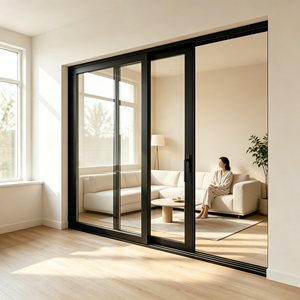
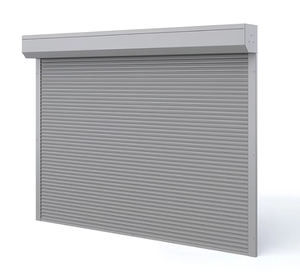
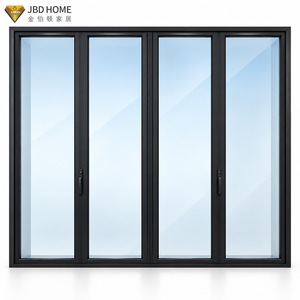
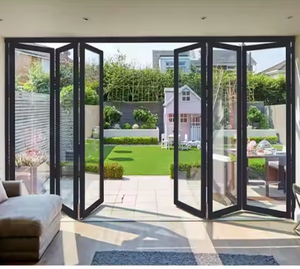
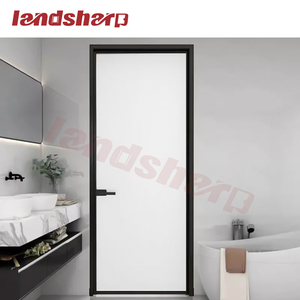
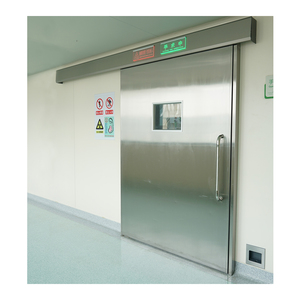
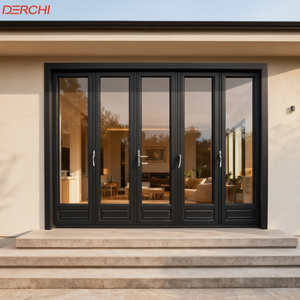
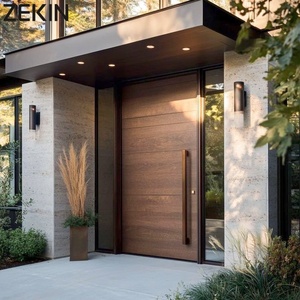
Navigating the Sourcing Ecosystem of Aluminium Cupboard & Architectural Door Systems in China
For international architectural firms, procurement heads, joinery contractors, and multi-family developers, sourcing high-tolerance aluminum cabinet, wardrobe, and cupboard systems demands rigorous technical evaluation far beyond surface aesthetics.
Metallurgical Metallurgy & Extrusion Tolerances
China leads global extrusion capacity, yet top-tier cupboard and joinery profiles require virgin billet 6063-T5 or 6061-T6 aluminum. Low-grade commercial extrusions often reprocess scrap, degrading wall-thickness consistency, tensile strength, and anodizing clarity. Leading Foshan manufacturers enforce precise EN 12020-2 micro-tolerances, keeping profile straightness within 0.3mm per meter for frameless glass cabinet assemblies.
Surface Chemistry & Anti-Corrosion Longevity
Cupboard, kitchen joinery, and bathroom storage profiles face constant chemical and moisture exposure. High-standard factories implement fluorocarbon (PVDF) triple-spray systems, Qualanod certified anodizing (minimum 15-20μm thickness), and electrophoretic coating. This prevents micro-pitting, salt-spray corrosion, and delamination, sustaining optical clarity across coastal, high-humidity, and heavy-use hospitality environments.
Hardware Integration & Dampening Engineering
An aluminum cabinet door functions only as smoothly as its mechanical interface. Premium manufacturing incorporates integrated CNC-milled hinge pockets engineered for Blum, Grass, or bespoke concealed Italian pivot dampeners. Structural stiffeners prevent door flutter and sagging on oversized panels exceeding 3,000mm in vertical height, guaranteeing over 100,000 flawless silent duty cycles.
Comparative Matrix: Architectural Joinery & Cupboard Materials
An objective technical comparison highlighting why custom aluminum extrusions dominate commercial and luxury residential developments over conventional millwork.
| Performance Metrics | Architectural Aluminum 6063-T5 | High-Density Fiberboard (HDF / MDF) | Solid Natural Timber | Fabricated Stainless Steel 304 |
|---|---|---|---|---|
| Dimensional Stability | Absolute Zero Warping (Zero hygroscopic expansion) | Poor; swells under ambient humidity >60% | Moderate; subject to seasonal shrinking/twist | High; rigid but heavier thermal expansion |
| Moisture & Steam Resistance | Impermeable (1,000 hrs ASTM B117 salt spray) | Vulnerable to edge-banding failure & blistering | Requires regular polyurethane sealing | High corrosion resistance; risk of tea-staining |
| Sightline Profile Slenderness | Ultra-Slim 10mm - 16mm visible borders | Requires 45mm - 65mm frame width for strength | Requires 50mm - 80mm structural rail/stile | 25mm - 40mm; welding seams limit precision |
| Fire Classification Rating | Class A1 Non-Combustible (UL fire tested) | Combustible; emits VOCs and toxic smoke | Combustible; low flame-spread indices | Class A1 Non-Combustible |
| Lifecycle & Circularity | 100% Infinitely Recyclable (50+ yr life) | Non-recyclable; binds toxic urea-formaldehyde | Biodegradable; high reforestation footprint | 100% Recyclable; high carbon smelting |
Future Procurement Trends in Aluminium Cupboard & Joinery Systems
Sourcing directives shaping international architectural procurement frameworks across North America, the European Union, Australia, and the Middle East.
Fluted Texture & 3D Micro-Ribbed Extrusions
Architectural preference has transitioned from flat composite surfaces to dynamic textural geometry. State-of-the-art Chinese extrusion die tooling creates micro-reeded, fluted, and fluted-mesh aluminum surfaces with integral matte anodizing, eliminating exterior film laminates while achieving tactile luxury.
Integrated Smart Conductive Glass & Luminescence
Modern aluminum cupboard frameworks now incorporate embedded 12V/24V concealed busbar channels within the extrusion chamber. This allows smart PDLC switchable privacy glass, automated low-profile LED illumination strips, and capacitive touch sensors without visible cabling.
Low-Carbon Recycled Billets (Scope 3 Compliance)
Global enterprise real estate projects demand audited Environmental Product Declarations (EPD). Tier-one Foshan exporters utilize hydroelectricity-smelted primary billets combined with post-consumer recycled aluminum, reducing embodied carbon to below 4.0 kg CO2e per kg of finished extrusion.
Why Top Global Project Specifiers Partner with DERCHI
Operating under Guangdong Dejiyoupin Doors and Windows Co., Ltd., we combine an industrial-scale manufacturing hub with precision bespoke engineering.
180,000m² Production Engine with In-House CNC Centers
Unlike trading agents or fragmented assembly workshops, our central production base in Shishan Town, Foshan, integrates raw extrusion inventory, automated 5-axis CNC machining centers, anodizing tanks, and clean assembly lines. This full-chain containment guarantees exact edge beveling, millimetric tolerance control, and punctual volume dispatch.
Global Compliance: CE, ISO 9001, AS 2047 & UL Fire-Rated
Our products have undergone testing by international laboratories, obtaining AS 2047 cyclonic N6 ratings, CE declarations of conformity, and UL fire classifications. Every export project is backed by comprehensive material test reports (MTR), structural wind load calculations, and acoustic attenuation documentation ready for municipal permit sign-offs.
Dedicated CAD/BIM Shop Drawings & Metric/Imperial Engineering
We convert architectural schematics, joinery plans, and door schedules into millimeter-precise CAD fabrication shop drawings. Our bilingual engineering desk ensures profile depths, floor transitions, glass pocket dimensions, and hardware preparations fully comply with U.S., Canadian, or European construction schedules.
North American Project Logistics & Sea-Freight Protective Packaging
With successful installations across the USA, Canada, Australia, and the Middle East, our crating division uses fumigated enclosed plywood crates lined with waterproof membrane films, corner foam bumpers, and desiccants. We coordinate seamless DDP, CIF, or FOB documentation directly with your clearing forwarders.
Frequently Asked Questions for Sourcing Aluminium Cupboard Doors
Clear, definitive technical guidance to eliminate risk across international procurement, tooling, quality inspection, and logistics.
What are the typical Minimum Order Quantities (MOQ) and custom tooling costs for bespoke extrusion profiles?
How do you manage quality control and prevent edge-warping on tall cupboard doors exceeding 2,700mm?
What surface finish standards do you offer for high-end hospitality and marine/coastal projects?
Can your factory supply doors with glass, mirrors, and hardware pre-assembled ready for jobsite hanging?
What is the standard production lead time and ocean shipping transit schedule to North American ports?
How can prospective international clients audit your manufacturing plant without traveling to China?
Accelerate Your Project with Factory-Direct Engineering
Submit your cabinet elevations, door schedules, or architectural blueprints. Our senior structural engineers deliver fully detailed CAD shop drawings, glass stress analysis, and itemized container-load quotes within 24 to 48 business hours.