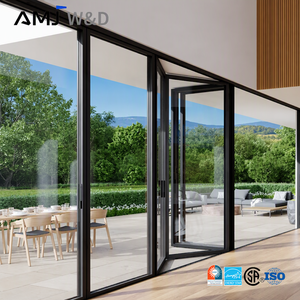
Factory Catalog Showcase
Featured Architectural Aluminum Window & Door Systems
Direct factory-engineered fenestration and glazing solutions manufactured in our 180,000 m² state-of-the-art facility, strictly aligned with AAMA, NFRC, AS2047, and CE codes.
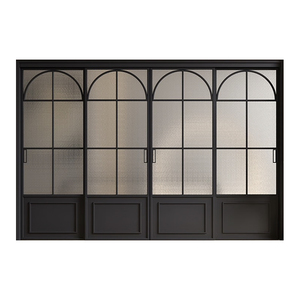
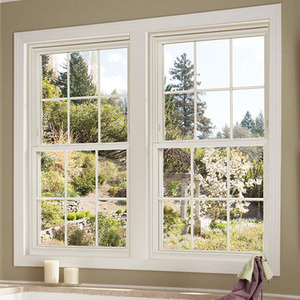
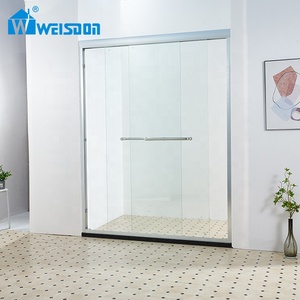
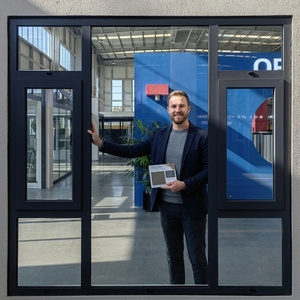
Architectural White Fenestration Guide
Engineering White Aluminum Windows: Thermal & Coating Standards
Sourcing white aluminum windows requires rigorous attention to coating chemistries, UV resistance thresholds, structural load capacities, and condensation resistance factors.
Coating Longevity & AAMA 2605
White finishes reflect higher solar wavelengths but suffer accelerated chalking under intense UV without proper fluoropolymer stabilization. We apply 70% PVDF (Polyvinylidene Fluoride) coatings exceeding AAMA 2605 specifications, guaranteeing resistance against color shift (ΔE < 5) and surface gloss erosion over 20-year exposure cycles.
Polyamide PA66 Thermal Barriers
Eliminate condensation and thermal bridging across residential and commercial envelopes. Our white profiles incorporate multichamber 24mm to 34mm PA66 GF25 thermal breaks, keeping internal surface temperatures high, yielding composite system U-factors down to 0.18 BTU/(hr·ft²·°F) when combined with warm-edge IGUs.
Structural Load & Air/Water Infiltration
Engineered using virgin 6063-T6 architectural alloys with extrusion wall thicknesses reaching 2.0mm to 3.0mm. Systems undergo rigorous testing achieving Australian AS2047 N6 cyclonic ratings and ASTM hurricane impact certification, ensuring zero air leakage and zero water ingress under 700 Pa dynamic pressures.
Strategic Market Horizon
Global Procurement & Technological Trends in White Aluminum Windows
How evolving zero-carbon mandates, Passive House standards, and digital fabrication are transforming architectural envelope procurement through 2026–2030.
1. Transition to Solar-Reflective White Pigments
Standard white powders can show localized thermal stress in extreme climates. Next-generation procurement heavily emphasizes "Cool Pigment" technology—chemically engineered infrared-reflective white coatings that drop outer substrate temperatures by up to 15°C, reducing expansion strain and saving HVAC chiller loads.
2. Triple/Quadruple Glazing & Vacuum Glass (VIG)
North American and European building codes are increasingly mandating U-factors under 0.20. Aluminum profiles are adopting wider thermal cavities designed to support 42mm–50mm triple-glazed units or ultrathin Hybrid Vacuum Insulating Glass (VIG), combining acoustic decoupling with R-values exceeding R-10.
3. Direct BIM-to-Fabrication Workflows
B2B developers and general contractors now prioritize manufacturers capable of native IFC/Revit modeling integration. Our engineering pipeline converts architectural schedules straight into 5-axis CNC machining centers, eliminating field modification errors and expediting production turnarounds by up to 35%.
Procurement Specification Benchmark
Surface Treatment & Thermal Engineering Matrix
Evaluate critical performance indicators when specifying white exterior aluminum profiles for harsh, maritime, and alpine climates.
| Finishing System | Coating Thickness | Salt Spray Rating (ASTM B117) | UV Resistance (AAMA) | Recommended Environment |
|---|---|---|---|---|
| Standard Architectural Polyester Powder | 60 – 80 μm | 1,000 Hours | AAMA 2603 (1 Year Florida) | Standard inland residential, moderate climates |
| Super Durable Architectural Polyester (TGIC) | 70 – 90 μm | 2,500 Hours | AAMA 2604 (5 Year Florida) | Commercial developments, high solar radiation |
| Fluorocarbon PVDF Liquid Coating (3-Coat) | 35 – 45 μm | 4,000+ Hours | AAMA 2605 (10 Year Florida) | Extreme oceanfront, chemical exposure, luxury villas |
| Electrophoretic Matte White Fluorocarbon | 20 – 30 μm | 3,000+ Hours | High UV Stability | Modern minimalist façades demanding zero reflection |
Factory Capabilities & Verification
Why Top Global Contractors Source with Guangdong Dejiyoupin (DERCHI)
Operating from Foshan, Guangdong—the core of global aluminum processing—DERCHI combines industrial manufacturing capacity with bespoke architectural engineering.
180,000 m² Production Base
Continuous capacity across high-speed extrusion, automated thermal strip insertion, horizontal fluorocarbon coating lines, and CNC double-miter precision assembly.
Certified Regulatory Compliance
Fully compliant with international testing: CE, ISO 9001, AS 2047 (N6 Cyclic), and UL Fire-Rated certifications, simplifying North American & European municipal code approvals.
Free CAD Shop Drawings
Our dedicated bilingual engineering team provides fully detailed cross-sectional CAD drawings, rough opening schedules, and anchor calculations prior to extrusion sign-off.
Heavy-Duty Export Crating
Every window is wrapped in anti-scratch PE film, protected with high-density EPE foam corners, and secured in non-fumigation plywood crates built for ocean freight transfer.
Technical Due Diligence
Frequently Asked Questions by B2B Window Importers & Contractors
Answers to key logistical, performance, and customization inquiries when ordering aluminum white window systems directly from China.
How do you prevent color degradation and chalking on white aluminum windows in high-UV regions?
We use architectural-grade fluoropolymer powders or Kynar 500 / Hylar 5000 PVDF resins adhering to the stringent AAMA 2605 specification. These finishes contain chemically inert fluorocarbon bonds that withstand up to 4,000 hours of accelerated weathering and Florida exposure testing with zero chalking and color variance restricted below ΔE 5.
Can you configure custom profile extrusions matching North American or Australian wall systems?
Yes. We engineer integrated nail fins (flanges) suited for 2x4 and 2x6 timber stud framing common in the US and Canada, as well as sub-sill and sub-head extrusions meeting Australian AS4420/AS2047 installation procedures. All custom rough openings and mullion reinforcements are detailed in complimentary preliminary CAD drawings.
What glass combinations do you assemble for cold climate thermal insulation?
Our insulated glass units (IGUs) incorporate SGCC and CE-certified tempered low-E glass filled with 90% Argon gas. We offer double and triple-glazed assemblies (e.g., 6mm Low-E + 16Ar + 6mm Clear + 16Ar + 6mm Low-E) featuring warm-edge spacers (Technoform or Swisspacer) that achieve overall window U-factors down to 0.8–1.1 W/(m²·K).
What is the typical manufacturing lead time and logistics packaging for container shipments?
Standard fabrication cycles run between 30 to 45 business days following final approved CAD shop drawings and color sample sign-off. Windows are packed in custom solid plywood crates with individual moisture barrier films and internal dunnage cushions, engineered to resist intermodal handling shocks across transpacific and transatlantic shipping routes.
Are your factory facilities open to third-party quality control inspections prior to dispatch?
Absolutely. We encourage third-party inspections (such as SGS, TÜV, Intertek, or client-appointed inspectors) across raw profile alloy testing, thermal strip integrity, water leakage pond tests, and packaging verification. Clients can also leverage our online 360° VR inspection suite to monitor factory operations in real time.
Ready to Engineer Your White Aluminum Window Project?
Submit your architectural drawings, window schedules, or structural wind load specifications. Our senior fenestration engineers will provide custom CAD shop drawings, glass thermal performance schedules, and factory-direct pricing within 24 hours.