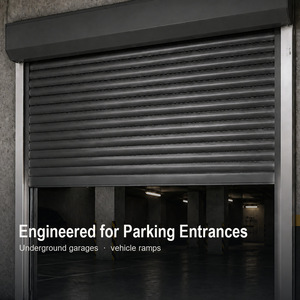
Export-Grade Assemblies
High-Performance Fabricated Door & Window Systems
Explore eight core systems engineered to exceed building code benchmarks, providing structural resilience, thermal acoustic insulation, and contemporary aesthetics for luxury commercial and residential builds.
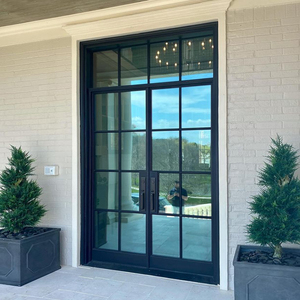
Architectural Heritage
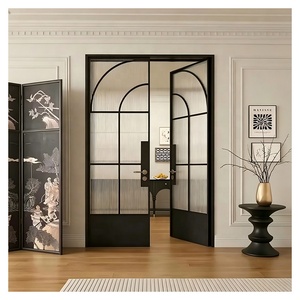
European Standard Interior Aluminium Steel Framed Crittall Style Glass Doors
Contact Us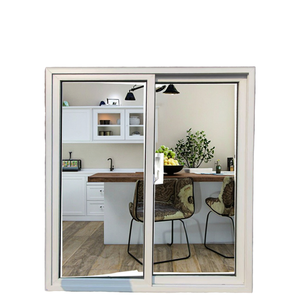
Severe Weather Rated
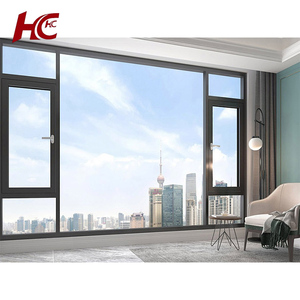
Hurricane Impact Modern Patio Exterior Double Glass Aluminium Sliding Door
Contact Us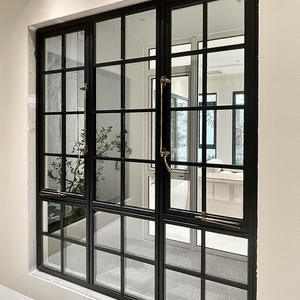
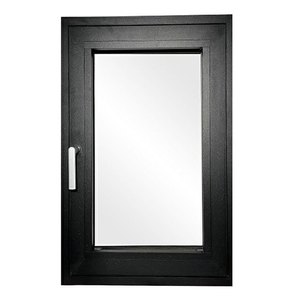
Minimalist Architectural
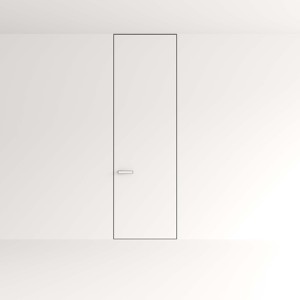
Modern Flush Frameless Interior Door Invisible Concealed Aluminum Subframe
Contact Us180,000m²
Intelligent Manufacturing Base
25+
Years Fenestration Engineering
100+
Global Patents & Certifications
600+
Specialized Production Craftsmen
Direct OEM/ODM Foundry Power
Guangdong Dejiyoupin Doors and Windows Co., Ltd. (DERCHI)
For more than a quarter-century, DERCHI has maintained a benchmark position as an industrial fenestration authority in Foshan, China. Operating an expansive 180,000 m² state-of-the-art production base, our vertically integrated plant executes alloy extrusion processing, precision multi-axis CNC milling, electrostatic architectural powder coating, insulated glass unit (IGU) lamination, and automated weather-seal assembly entirely within our own facilities.
We eliminate intermediaries, supplying directly to commercial builders, regional wholesalers, structural engineering practices, and architectural firms throughout the United States, Canada, Australia, and the EMEA zone.
- Exhaustive International Verifications: Full testing compliance with CE, ISO 9001, North American UL Fire-Rated standards, and Australian AS 2047 Cyclonic N6 protocols.
- Parametric Engineering & CAD Integration: Complimentary imperial and metric CAD drafting, structural wind-load load calculations, and BIM schedule alignment within 24-48 hours.
- Consolidated Container Logistics: Single-vendor supply of entrance pivot systems, slim-profile Crittall swing doors, patio multi-slides, fire doors, and curtain walls in reinforced export crates.

Industry Whitepaper Analysis
Next-Generation Architectural Fabrication & Design Evolution
The global aluminium fabrication glass door market is undergoing a structural transition driven by zero-carbon mandates, extreme weather regulations, and minimalist aesthetic demands. Here is where the sector is advancing.
Polyamide Thermal Break Engineering (PA66 GF25)
Global building energy codes (such as ASHRAE 90.1, IECC, and Title 24) are pushing thermal conductance thresholds lower. Standard extruded profiles are obsolete; modern fabrication necessitates high-performance multi-chambered polyamide 66 with 25% glass fiber reinforced thermal struts. This isolates internal and external aluminium faces, lowering overall U-values to under 1.2 W/m²K while eliminating condensation and thermal bridging in sub-zero climates.
Severe Atmospheric & Impact Hardening
Coastal developments across the Gulf of Mexico, Florida's High-Velocity Hurricane Zones (HVHZ), the Caribbean, and Pacific typhoons demand unprecedented structural deflection tolerance. Leading fabrication leverages SentryGlas® (SG5000) or high-grade PVB composite interlayers with tempered laminated glass capable of withstanding large missile impacts (+/- 9,000 cycles) and positive/negative pressure loads over 5000 Pa without seal breach.
Ultra-Narrow Sightlines & Structural Concealment
Architectural taste increasingly favors frameless glass-to-edge aesthetics. Aluminium fabrication focuses on structural silicone glazing (SSG) and micro-interlock jamb profiles (sub-20mm visible sightlines) capable of carrying massive double or triple-glazed leaf weights up to 800 kg. Floor-spring pivot bearings and motorized concealed multipoint gearings are seamlessly recessed into structural floor slabs and headers.
| Technical Characteristic | Standard Commercial Grade | DERCHI Architectural Export Grade | Compliance & Test Standard |
|---|---|---|---|
| Aluminium Alloy / Temper | 6063-T5 (Standard Extrusion) | Primary Virgin 6063-T6 / High-Tensile 6061-T6 | ASTM B221 / GB/T 5237 |
| Profile Wall Thickness | 1.2 mm - 1.4 mm | 2.0 mm - 3.5 mm (Heavy-duty Structural) | AAMA/WDMA/CSA 101/I.S.2/A440 |
| Thermal Insulation (U-Factor) | U > 3.0 W/m²K | U = 1.1 - 1.6 W/m²K (Thermally Broken) | NFRC 100 / EN ISO 10077 |
| Surface Treatment & Durability | Basic Anodizing (10μm) | AkzoNobel / PPG Fluorocarbon (PVDF 3-Coat / 70%) | AAMA 2605 (10-25 Year Guarantee) |
| Glazing Seal Integrity | Standard PVC or Silicone Gaskets | Automotive-grade EPDM / Dow Corning 983 SSG | ASTM C1184 Structural Glazing |
| Hardware Mechanical Endurance | 20,000 - 50,000 Cycles | > 200,000 Operational Duty Cycles (Siegenia/Hoppe/G-U) | EN 13126 / ANSI/BHMA A156 |
Strategic Sourcing Directives
Future Procurement Dynamics for Importers & General Contractors
Purchasing wholesale architectural aluminium doors from Chinese fabrication hubs requires navigating changing carbon tariffs, supply chain transparency, and quality verification protocols.
Supply Chain Decoupling via Direct Factory OEM
Brokers and intermediary trading firms add 20-35% in margin markups while obscuring technical accountability. Modern general contractors and high-volume regional dealers bypass regional distribution middlemen by dealing straight with large-scale source manufacturers like Guangdong Dejiyoupin (DERCHI). Direct engineering submittals, real-time video QA, and single-source logistics eliminate project execution bottlenecks.
Mandatory Fenestration Code Documentation
Procuring wholesale glass doors internationally now hinges on project-specific certification trail. North American jurisdictions demand test reports verifying AAMA/WDMA/CSA fenestration standards, NFRC thermal ratings, and UL 10C/NFPA fire-resistive test tags. Forward-thinking procurement teams require suppliers to provide verifiable laboratory test certificates and mill analysis reports (MTR) prior to production sign-off.
Pre-Fabrication Modular Unitization
On-site commercial labor costs in North America, Europe, and Australia continue to increase. Procurement schedules increasingly mandate unitized, pre-glazed, and factory-assembled structural cassettes. Pre-hung door frames with factory-milled lock mortises, pre-inserted gasket seals, and pre-adjusted European hardware drastically cut installation timelines and minimize site labor risks.
Procurement Knowledge Base
Frequently Asked Questions on Wholesale Aluminium Glass Doors
Detailed technical, commercial, and logistic answers to assist project directors, quantity surveyors, and architectural specifiers when sourcing factory-direct from China.
What alloy grade and wall thickness are specified for exterior architectural systems?
For load-bearing exterior glass doors, we utilize primary 6063-T6 or 6061-T6 structural aluminium extrusions with nominal profile wall thicknesses ranging between 2.0 mm and 3.5 mm. Unlike commercial scrap-recycled profiles, our virgin alloy billets provide superior tensile strength (minimum yield strength ≥ 160 MPa), ensuring zero flexure under high wind loads or oversized leaf weight distributions.
How do you guarantee weather-sealing and zero water ingress on large sliding doors?
Our sliding and French door systems feature multi-tiered pressure equalization chambers paired with continuous automotive-grade vulcanized EPDM gasketing. Track systems incorporate hidden drainage weep holes with integrated anti-backdraft valves and heavy-duty sill pan deflectors. Under simulated wind-driven rain testing, assemblies withstand water penetration at pressures exceeding 700 Pa, satisfying stringent hurricane testing thresholds.
Can DERCHI fabricate doors based on imperial architectural door schedules?
Yes. Our in-house engineering and drafting division operates daily with architectural prints, rough opening dimensions, and hardware schedules specified in feet and inches (fractional or decimal). We provide full shop submittals including CAD plan/section views, structural connection details, anchor layouts, and glass specs for formal client and municipal architect approval prior to production release.
What protective packaging prevents surface scratches and glass breakage during freight?
Export logistics represent a zero-failure operational step. All frames and sash components are wrapped in low-tack protective PE film, edge-buffered with shock-absorbing foam profiles, banded, and sealed inside fully enclosed, fumigated solid plywood ocean crates. Glass IGUs incorporate shock-dampening cork separator pads and desiccant packs to prevent moisture fogging during transoceanic transit.
What glass configurations are available for acoustic attenuation and solar control?
We source architectural glass from Tier-1 fabricators (CSG, Xinyi, Saint-Gobain) to assemble custom Insulated Glass Units (IGU). Options include low-emissivity (Triple Silver Low-E), argon gas fillings, acoustic laminated PVB interlayers, ceramic frit borders, and tinted solar coatings. STC (Sound Transmission Class) ratings can be configured from STC 32 up to STC 48 for high-noise transit corridors.
What are standard wholesale lead times and Minimum Order Quantities (MOQ)?
Because we operate an expansive 180,000 m² automated manufacturing facility, standard production cycle times range from 25 to 35 business days from final approved CAD shop drawings. We support custom mixed-container orders for estate residences, commercial projects, and containerized bulk dealer stocking. Reach out to our engineering desk to discuss exact project schedules and FOB/CIF delivery terms.