High-Performance Aluminium Commercial Windows & Facade Systems
Engineered specifically for heavy foot-traffic commercial shopfronts, high-wind coastal plazas, and energy-demanding retail spaces. Manufactured to ISO 9001, CE, AS2047, and NFRC parameters.
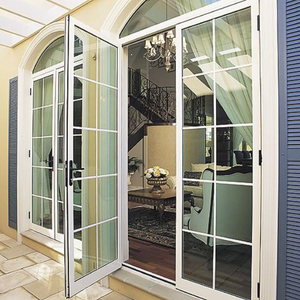
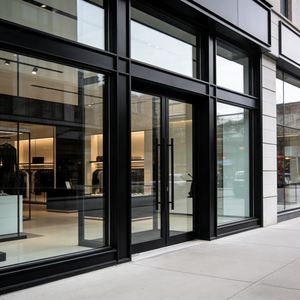
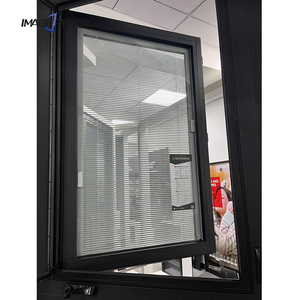
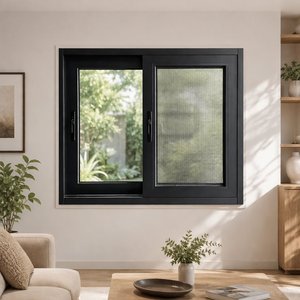
Engineering Standards in Commercial Fenestration & Façade Procurement
Understanding thermal barrier integrity, structural deflection under cyclonic load, and acoustic attenuation matrices for overseas institutional buyers.
Procuring commercial shopfront fenestration directly from Chinese manufacturing centers requires deep alignment with stringent international structural codes. In high-occupancy environments such as flagship retail establishments, automotive showrooms, and institutional building lobbies, aluminium storefront systems serve as both the primary architectural display and a structural envelope enduring continuous dynamic wind loads, seismic movements, and heavy customer contact.
Modern engineering dictates that structural wall thicknesses must strictly exceed standard residential metrics. Where residential windows utilize profiles between 1.2mm and 1.4mm, standard commercial shop front extrusions produced at our Foshan facility feature heavy-wall configurations from 1.8mm up to 3.0mm, forged from prime virgin billet 6063-T5/T6 alloy. The inclusion of polyamide glass-fiber reinforced insulating strips (PA66 GF25) provides the necessary structural discontinuity to achieve total thermal isolation, mitigating interior condensation during sub-zero North American winters while drastically lowering cooling peak-loads across Middle Eastern and Southeast Asian commercial hubs.
Thermal Isolation & U-Factor
Multi-chambered polyamide break profiles coupled with argon-charged warm-edge insulated glass units (IGU) achieve overall assembly U-factors as low as 1.4 W/m²·K (0.25 BTU/hr·ft²·°F), satisfying Title 24 and IECC compliance standards.
Structural Wind Resistance
Precision-tested against extreme cyclic pressure loads. Successfully tested under Australian AS2047 N6 conditions (exceeding 4500 Pa ultimate wind pressure) and Miami-Dade large-missile impact protocols using structural SGP laminates.
Anti-Corrosion Anodization & PVDF
Electrostatically applied AkzoNobel or PPG fluoropolymer (PVDF) 3-coat finishes meet AAMA 2605 requirements. Provides an impervious defense against saline maritime deterioration, acid rain, and prolonged UV chalking for 25+ years.
| Performance Characteristic | Standard Commercial (Non-Thermal) | DERCHI Architectural Thermal Break | Field Performance Advantage |
|---|---|---|---|
| Profile Thickness & Material | 1.4mm – 1.6mm Recycled Scrap Mix | 2.0mm – 3.0mm Virgin 6063-T6 | Eliminates frame deflection |
| Thermal Transmittance (U-Value) | 3.8 – 5.2 W/m²·K | 1.3 – 1.8 W/m²·K | Up to 45% HVAC energy reduction |
| Acoustic Insulation (STC/Rw) | 28 – 31 dB (Single/Dual Plain) | 40 – 45 dB (Acoustic PVB IGU) | Blocks high-traffic street noise |
| Corner Joint Assembly | Screw fastened mechanically | Cast-aluminum corner cleat + 2-part glue injection | 100% Watertight seams under load |
| Impact Resistance (Coastal) | Non-rated / Shatters easily | ASTM E1886 / E1996 Large Missile Passed | Severe hurricane zone certified |
Future Procurement & Technological Trends in Aluminium Facades
How evolving carbon neutral policies, smart building integrations, and prefabricated architecture are revolutionizing commercial fenestration sourcing through 2030.
1. Low Embodied Carbon & Recycled Billets
Global procurement directives in North America and Western Europe increasingly penalize high-carbon manufacturing. Future tender specifications will prioritize aluminum extruded via renewable hydropower smelters alongside closed-loop traceable post-consumer scrap content exceeding 60%, drastically cutting lifecycle carbon emissions without compromising structural tensile resilience.
2. Unitized Off-Site Prefabrication
On-site commercial glazier labor costs across Tier-1 global markets continue to surge. Procurement is shifting rapidly from knock-down stick-frame assemblies toward fully glazed, factory-sealed unitized shopfront cassettes. These pre-assembled systems arrive on site pre-tested for air, water, and structural movement, cutting building dry-in times by over 65%.
3. Dynamic Glazing & Smart Integration
Commercial storefronts are transitioning from passive physical dividers into dynamic operational envelopes. High-end retail showrooms are adopting electrochromic dynamic smart-tint glass controlled via building management systems (BMS), alongside concealed electromagnetic perimeter security locks and integrated LED presentation framing.
Industrial Scale, In-House Precision & Export Authority
With 25+ years of engineering leadership, our industrial ecosystem guarantees flawless execution from project submittals to on-site delivery.
180,000 m² Mega Manufacturing Base
Unlike trading intermediaries, all machining, thermal-break crimping, corner assembly, glass curing, and structural testing take place within our self-owned production complex, ensuring total cost stability and on-time scheduling.
Free In-House CAD & BIM Engineering
Our 60+ technical engineers deliver precise shop drawings, structural wind load calculations, anchor point engineering, and BIM models tailored to specific local architectural requirements prior to cutting metal.
Rigorous Global Quality Certifications
Every commercial fenestration assembly is rigorously tested to international benchmarks, holding valid CE, ISO 9001, AS 2047 N6, NFRC, and UL fire-rated certifications verified by trusted third-party auditing authorities.
Complete Architectural Envelope Systems
Consolidate your sourcing workflow. Beyond shopfront windows, our industrial lines produce matching commercial pivot doors, fire-rated exits, automated sliding entrances, and curtain walling in matching RAL finishes.
Direct Time Zone Commercial Support
Our sales engineering team provides proactive communication aligned with North American, European, and Oceanian business hours, eliminating communication lag throughout specification, submittals, and fabrication.
Heavy-Duty Export Fumigated Crating
All finished frames and glass assemblies are packaged inside steel-reinforced, fully enclosed fumigated plywood crates with moisture desiccants and protective film, ensuring damage-free container arrivals globally.
Commercial Aluminium Window Procurement FAQ
Answers to critical questions encountered by international project managers, quantity surveyors, and facade contractors.
What profile extrusion alloy is standard for commercial storefront applications?
We exclusively utilize 6063-T5 or 6063-T6 architectural-grade prime virgin aluminum extrusions. For large structural spans or tall vertical mullions subject to higher wind pressures, we specify 6061-T6 alloy with internal galvanized steel tube reinforcements to maintain structural deflection limits (≤ L/175 or L/240) under peak wind conditions.
How do you guarantee air and water tightness on overseas shipments?
All shopfront windows undergo mechanical corner cleating injected with Henkel two-part structural polyurethane adhesives, replacing common screw-fastened methods. Weatherseals utilize closed-cell EPDM or silicone-compatible santoprene gaskets that resist UV embrittlement, tested to maintain water penetration resistance up to 600–700 Pa.
Can you manufacture to American (imperial) and Australian custom sizes?
Yes. Over 80% of our production is dedicated to export projects engineered to custom architectural schedules. Our design office works directly from architectural elevation drawings, producing fully dimensioned imperial (inches/feet) or metric CAD shop drawings for your official sign-off before manufacturing starts.
What surface finishes are recommended for coastal or high-pollution regions?
For seaside applications within 5 miles of saltwater, we mandate 3-coat Fluorocarbon PVDF coatings (minimum 70% Kynar 500 resin base) complying with AAMA 2605 specifications, or Class 1 architectural anodizing (25-micron anodic layer thickness). Both options provide complete resistance against filiform corrosion and salt spray exposure.
What is the typical production and delivery lead time for commercial volumes?
Standard lead times for custom-extruded, powder-coated commercial shopfront systems average 25 to 35 calendar days following formal CAD approval and color sample verification. For large developments or multi-container projects, scheduled staggered deliveries are arranged in full coordination with your jobsite staging program.
How are glass certifications validated for local building inspection?
Every insulated glass unit (IGU) or laminated safety pane features permanent ceramic laser etching showing certification marks, including SGCC (ANSI Z97.1) for North America, CE (EN 12150 / EN 1279) for Europe, and AS/NZS 2208 for Australia. Full physical test reports and certificates of origin accompany the bill of lading.
Transform Your Commercial Facade with Certified Engineering
Connect with our technical estimating team for full CAD drawings, thermal performance data sheets, and competitive factory-direct pricing for your upcoming commercial development.