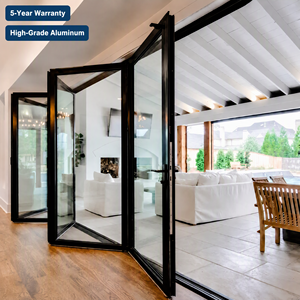
- Thermal Break Polyamide Bar (PA66)
- Double Insulated Frosted / Clear Glass
- Acoustic Rating: STC 38 dB
Explore DERCHI’s precision-machined fenestration solutions. Every system integrates structural 6063-T5/T6 aluminum alloys, thermal-barrier polymers, and specialized obscuring or frosted architectural glazing tailored for high-traffic and acoustic isolation demands.
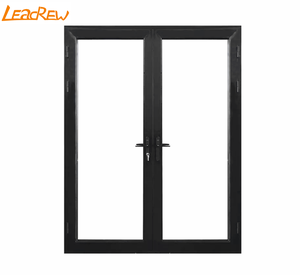
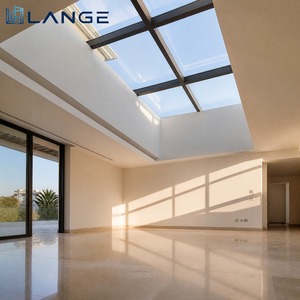
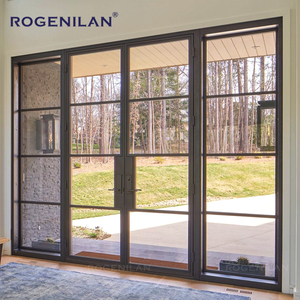
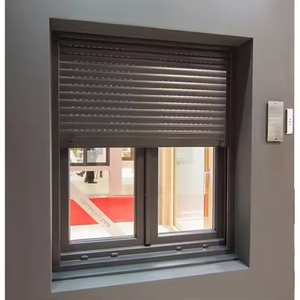
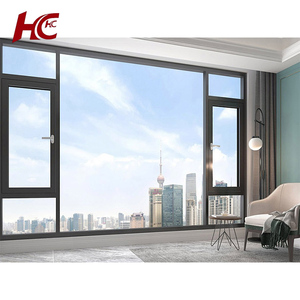
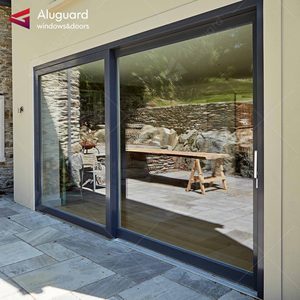
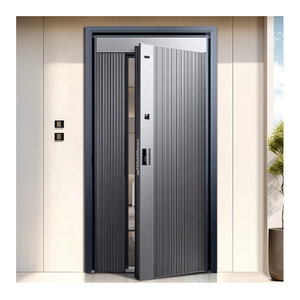
In contemporary architectural specifications, the wholesale procurement of aluminum frosted glass doors has transitioned from basic aesthetic interior space partitioning to multi-variable building-envelope and acoustic-isolation engineering. B2B contract purchasers, international real estate developers, and façade structural consultants evaluate China’s manufacturing plants based on three empirical performance indicators: alloy metallurgical integrity (extrusion tensile yield), glass obscuration treatment consistency, and lifecycle mechanical resistance under cyclic wind and usage loads.
Information Gain Specification Note: Not all frosted glass door assemblies are fabricated equally. Low-cost manufacturers utilize superficial sandblasting on recycled scrap aluminum (yielding tensile strength under 130 MPa), which readily traps fingerprints, oil stains, and fractures under low impact. DERCHI (Guangdong Dejiyoupin Doors and Windows Co., Ltd.) strictly incorporates virgin primary billet 6063-T5 and 6063-T6 aluminum alloys treated with automated CNC acid etching or dual-sided ceramic-frit vitreous enamel baking, ensuring ASTM C1048 tempered structural compliance, zero finger-marking, and continuous hydrothermal resilience.
The structural frame serves as the load-bearing spine of any sliding, swing, or folding fenestration assembly. Leading Foshan manufacturers employ high-precision automated extrusion presses capable of holding dimensional tolerances within ±0.15mm across profile lengths of up to 6.5 meters.
Surface finishing technologies dictate corrosion behavior in harsh marine and commercial sanitizing environments. Premium architectural aluminum receives either 25-micron anodic oxidation, AAMA 2604/2605 compliant Fluoropolymer (PVDF) triple-spray coatings, or super-durable electrostatic powder finishes that resist color shift (ΔE < 5.0) under accelerated 4,000-hour QUV ultraviolet testing.
When specifying commercial interior privacy screens, healthcare sanitary barriers, or luxury hotel bathroom portals, lighting transmittance must be balanced with privacy coefficients. Acid-etched glass involves a precise hydrofluoric acid chemical reaction that permanently micro-etches the silica surface, generating a silky, diffuse transmission (visual light transmittance between 72% and 86%) while eliminating specular visibility.
Conversely, for high-humidity or exterior-facing installations, inorganic ceramic frit is silk-screened and permanently fused into the glass matrix at 680°C during horizontal tempering. This creates an impervious glass layer immune to chemical degradation, mechanical scratching, and delamination.
| Performance Criterion | DERCHI Factory Export Standard | Common Low-Tier Market Standard | Testing & Compliance Protocol |
|---|---|---|---|
| Aluminum Alloy Profile | Virgin 6063-T5 / T6 (Wall: 1.6mm - 3.0mm) | Remelted Secondary Scrap (< 1.2mm) | GB/T 5237, ASTM B221, EN 755 |
| Thermal Insulation | Polyamide PA66 GF25 Thermal Breaks | Non-thermal or Unreinforced PVC | NFRC 100/200, U-Factor ≤ 1.4 W/m²K |
| Glass Safety & Tempering | Fully Tempered & PVB / SGP Laminated Frosted | Non-tempered or Poorly Quenched Glass | ANSI Z97.1, SGCC, EN 12150, AS/NZS 2208 |
| Acoustic Isolation Index | Rw / STC 34 dB to 43 dB (Dual Glazed) | Rw < 25 dB (Single Glazed) | ASTM E90, ISO 10140-2 |
| Air & Water Infiltration | N6 Rating (Cyclonic Performance, 600Pa water) | Standard domestic (< 150Pa water) | AS 2047, ASTM E283/E330/E331 |
| Hardware Cycle Life | ≥ 250,000 continuous operation cycles | < 30,000 cycles (premature sag) | EN 13126, ANSI/BHMA A156.1 |
Strategic market shifts reshaping how international architectural consultancies and tier-1 contractors source aluminum frosted door assemblies from China over the next decade.
The boundary between static acid-etched glass and dynamic electronic opacity is collapsing. Forward-looking buyers are ordering hybrid panels combining translucent frost borders with polymer-dispersed liquid crystal (PDLC) cores. This allows users to toggle an aluminum-framed door from 80% clear transparency to 100% opaque privacy in less than 10 milliseconds via home automation protocols or biometrics.
Minimalist architecture requires invisible hardware. Traditional bulky visible continuous hinges are rapidly giving way to internal ceiling-to-floor heavy-duty concealed pivots capable of supporting 300kg sash weights. For sliding applications, linear brushless motor magnetic levitation tracks provide near-zero friction movement, silent whisper glide (<32 dB), and automatic obstacle rollback.
With the European Union’s Carbon Border Adjustment Mechanism (CBAM) and North American LEED v4.1 certifications dominating project tenders, China’s primary manufacturers are converting extrusion lines to certified green hydro-powered aluminum billets. Incorporating Environmental Product Declarations (EPD) and cradle-to-gate Life Cycle Assessments (LCA) is becoming a prerequisite for institutional procurement contracts.
Operating under Guangdong Dejiyoupin Doors and Windows Co., Ltd., DERCHI ranks among the Top 10 door and window manufacturers in China. Backed by 25+ years of fenestration engineering expertise, our Shishan Town manufacturing hub in Nanhai District, Foshan, delivers true industrial scale and absolute repeatability for complex global building schedules.

Actionable technical guidance addressing structural, logistics, and compliance inquiries typically raised by general contractors, commercial developers, and procurement agents.
Submit your project door schedules, architectural CAD plans, or specifications. Our senior fenestration engineers will provide structural review, wind-load calculations, and factory-direct commercial estimates within 24 business hours.