Engineered Aluminum Doors & Windows Portfolio
Explore precision-fabricated fenestration assemblies manufactured under strict ISO 9001, CE, AS 2047, and NFRC parameters. Fully customizable through our OEM and ODM engineering divisions.
Access Complete OEM/ODM Engineering Specifications
Download our technical catalog detailing 6063-T5/T6 alloy profiles, thermal simulation curves, hardware certifications, and custom extrusion capabilities.
Get CatalogStructural Integrity & Thermodynamic Efficiency in Modern Aluminum Fenestration
Modern architectural design trends in high-end residential, mixed-use commercial, and luxury hospitality sectors demand unprecedented dimensions of glazed surfaces while requiring increasingly strict thermodynamic performance. For general contractors, project developers, and architectural hardware specifiers, identifying a qualified OEM/ODM aluminium door with window factory is no longer merely a procurement exercise—it is a critical structural engineering decision.
Aluminum alloys, specifically primary billet 6063-T5 and structural-grade 6061-T6, provide exceptional strength-to-weight ratios that allow for ultra-slim profile sightlines capable of bearing multi-ton glass deadloads. However, uninsulated aluminum possesses a high thermal conductivity (λ ≈ 160 to 200 W/m·K). The transition from standard hollow extrusions to high-performance architectural systems necessitates multi-cavity polyamide (PA66 GF25) thermal barrier integration, reducing thermal bridge conductivity to achieve overall assembly U-factors as low as 0.85 W/m²K (R-value > 6.6).
By engineering fenestration systems from raw alloy ingot extrusion through surface anodizing (conforming to Qualanod Class 15/20) and automated robotic assembly, our manufacturing plants ensure thermal barrier mechanical shear resistance (≥ 24 N/mm) is rigorously maintained under extreme thermal expansion cycles (-30°C to +80°C).
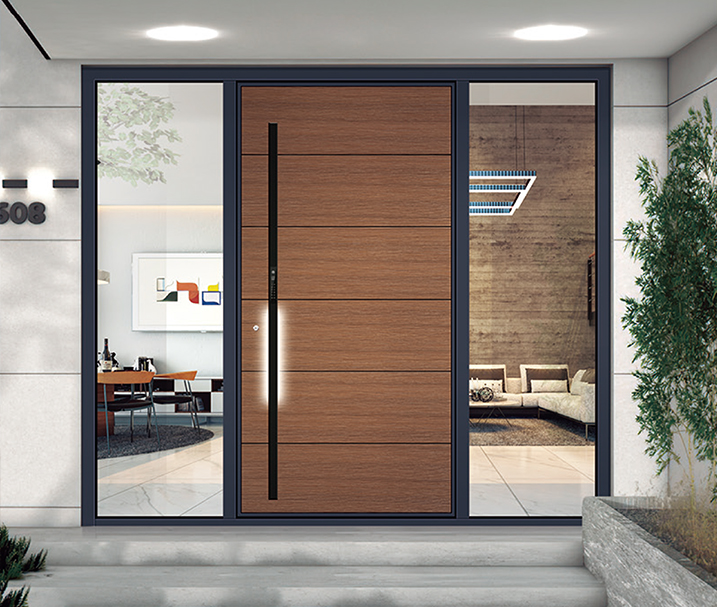
Precision Alloy Metallurgy
Utilizing 100% virgin 6063-T5 and 6060-T6 aluminum ingots with tight control over silicon-to-magnesium ratios. Yield tensile strength exceeds 205 MPa, eliminating localized deflection and micro-fissuring in oversized architectural pivot doors and curtain wall interfaces.
Thermodynamic Break Design
Engineered multi-chamber PA66 GF25 insulation strips combined with co-extruded EPDM cellular weatherstripping. Dual-seal and continuous vulcanized corner corner-gaskets prevent air infiltration, convective heat loss, and interstitial condensation across humid or sub-zero climates.
Surface Protection Chemistry
Industrial surface treatments including Qualicoat Class 2 certified fluorocarbon (PVDF) 3-coat spray finishes and 25-micron architectural anodization. Proven to withstand 3,000+ hours of ASTM B117 salt spray exposure without surface pitting, chalking, or delamination in harsh coastal environments.
Future Procurement Trends in the Architectural Aluminum Industry (2025–2030)
The global architectural fenestration procurement paradigm is shifting rapidly toward carbon-audited, smart-integrated, and highly regulated assemblies. Sourcing teams must anticipate these technical criteria.

The Shift Toward Low-Embodied Carbon & Smart Building Envelope Integration
Global architectural standards—including LEED v4.1, BREEAM, and the European Energy Performance of Buildings Directive (EPBD)—are driving institutional developers toward low-carbon circular aluminum. High-tier OEM/ODM aluminium door with window factories are upgrading extrusion smelting lines to incorporate hydro-powered recycled scrap aluminum, bringing embodied carbon footprints below 4.0 kg CO2e per kg of finished profile, compared to the conventional industry average of 14.5 kg CO2e.
Simultaneously, building automation protocols demand that window hardware transitions from passive mechanical latches to concealed motorized perimeter drives. Concealed 24V linear actuators, intelligent microwave presence sensors, and Building Management System (BMS) interfaces (such as KNX and Modbus) are increasingly incorporated directly within the internal extrusions during factory-floor assembly.
In addition, the demand for oversized multi-slide and panoramic architectural pivot systems with sash weights surpassing 800 kg has made concealed heavy-duty hydraulic damping pivots and stainless-steel track carriages mandatory specifications for commercial and residential estates alike.
Comprehensive Fenestration Performance Standards
Direct testing benchmark data validating DERCHI manufacturing performance against international building codes.
| Performance Vector | Governing Standard | OEM Standard Profile | Engineered ODM System | Verification Status |
|---|---|---|---|---|
| Air Infiltration Resistance | ASTM E283 / EN 12207 | Class 3 (≤ 0.30 cfm/ft²) | Class 4 (≤ 0.05 cfm/ft²) | AAMA / NFRC Verified |
| Water Penetration Resistance | ASTM E331 / AS 4420.5 | 450 Pa (Static Head) | 700 Pa (Dynamic Cyclone) | AS 2047 N6 Approved |
| Structural Wind Load (Deflection) | ASTM E330 / EN 12210 | 1800 Pa (Serviceability) | 3300 Pa (Ultimate Limit) | Intertek Tested |
| Acoustic Attenuation (STC / Rw) | ASTM E90 / ISO 10140-2 | Rw 32 dB (Double Glazed) | Rw 42 dB (Laminated Acoustic) | Laboratory Certified |
| Thermal Transmittance (U-Value) | ISO 10077-2 / NFRC 100 | 1.8 W/m²K (Non-Thermal Break) | 0.95 - 1.20 W/m²K (PA66 GF25) | Energy Star Compliant |
| Fire Barrier Integrity | UL 10C / EN 1634-1 | Smoke Retardant / Self-Closing | 60 to 90 min Fire Resistance | UL Listed Assembly |
Why Tier-1 Developers & Architecture Firms Partner With Us
With more than 25 years of specialized fenestration manufacturing, Guangdong Dejiyoupin Doors and Windows Co., Ltd. (DERCHI) operates one of Southern China's largest direct export production bases.

Turnkey Sourcing Consolidation
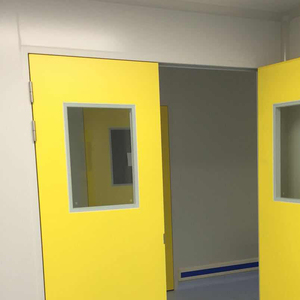
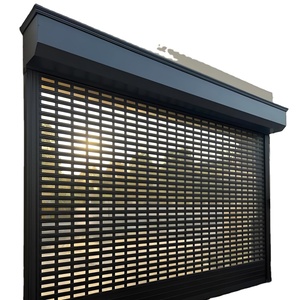
Direct supply spanning thermally broken casements, commercial curtain walls, exterior stacker doors, cleanroom entrances, and garage systems—minimizing overseas logistics overhead.

Code-Compliant Certification
Every profile design is backed by verifiable documentation: CE, ISO 9001, AS 2047, and UL fire ratings, guaranteeing painless site inspection approval across North America and Australasia.

Complimentary In-House CAD/BIM
Our dedicated fenestration engineers translate raw architectural elevations into accurate shop drawings, finite element structural calculations, and precise rough-opening schedules.

Dedicated Project Engineering
Direct technical communication with fluent bilingual facade engineers working across North American EST/PST and European operating hours to prevent costly jobsite delays.
Laboratory Tested for Global Code Compliance
Over 100 global patents, independent NFRC thermal ratings, CE Markings, and AS 2047 cyclonic impact compliance verify that our products meet demanding engineering criteria.

Auditing OEM/ODM Aluminium Fenestration Factories: An Engineer's Checklist
A structured approach to verifying metallurgical traceability, extrusion tolerances, and seaworthy containerized crating before capital commitment.
Procuring custom fenestration assemblies from overseas factories involves complex logistical, structural, and legal variables. Architectural buyers must look past showroom aesthetics and evaluate real manufacturing methodologies. The following auditing framework outlines the non-negotiable inspection standards implemented at our Foshan facility:
1. Alloy Chemical Composition Verification (Spectrometric Analysis)
Secondary (re-melted scrap) aluminum extrusions often contain unmonitored iron, zinc, and copper concentrations that compromise structural ductility and lead to filiform corrosion under powder coat layers. Ensure your OEM supplier conducts batch optical emission spectrometry on billet melts, ensuring iron content does not exceed 0.35% for 6063 alloys according to ASTM B221 standards.
2. Polyamide Strip Crimping Consistency
The weakest interface of an insulated aluminum window is the knurled junction where the PA66 GF25 strip mechanically joins the outer and inner aluminum profile channels. Insist on inspecting the factory's digital tensile testing data. The minimum transverse tensile strength across the thermal break cavity must exceed 24 N/mm in ambient conditions and 18 N/mm following 1,000 hours of continuous 80°C dry-heat exposure (EN 14024 standard).
3. Glass Sealant Compatibility & Argon Fill Retention
Premature seal failure in Insulated Glass Units (IGUs) causes interior fogging and eliminates thermal insulating value. High-volume export factories must utilize dual-barrier seals consisting of primary polyisobutylene (PIB) combined with high-modulus structural silicone or polysulfide secondary sealants. Sealed units should demonstrate argon gas fill concentrations ≥ 90% via non-invasive spark emission spectrometry, backed by warm-edge spacer technology (e.g., Technoform or Swisspacer).
4. Export Packaging & Ocean Freight Moisture Protection
Seaborne freight subjects delicate architectural profiles to continuous dynamic harmonic vibration, high relative humidity (RH > 90%), and salt fog atmosphere. Standard domestic cardboard wraps fail under ocean transit. Turnkey OEM/ODM shipments must specify heavy-duty fumigated wooden crates lined with moisture-barrier film, silica gel desiccant bags, corner-protective ABS brackets, and high-tack low-residue surface protective films on all powder-coated surfaces.
Frequently Asked Questions: Aluminum Door & Window OEM/ODM Sourcing
Direct technical and commercial answers addressing common engineering queries, minimum orders, code approvals, and international delivery cycles.
Partner With a World-Class Fenestration OEM/ODM Manufacturer
Submit your architectural elevations, door schedules, or structural engineering specifications to receive an itemized factory quotation, profile extrusion sections, and project timeline review within 24 business hours.
Get Catalog