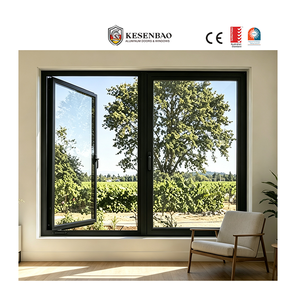
Engineered Systems
High-Performance Architectural Fenestration & Sectional Portals
Manufactured to rigid European and North American building codes using thermally isolated 6063-T6 aluminum alloys and precision thermal barrier assemblies.
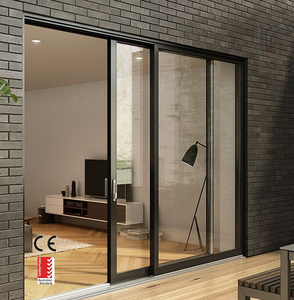
Heavy Duty Thermal Break Aluminum Sliding Door Integrated Mesh
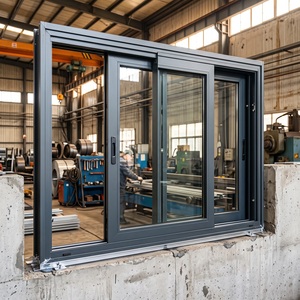
3i-Low-E Colonial Hung Windows Single & Double Sash Replacement
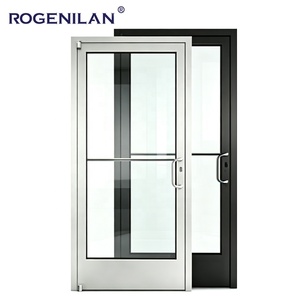
Commercial High-Security Aluminum Tempered Glass Double Swinging Doors
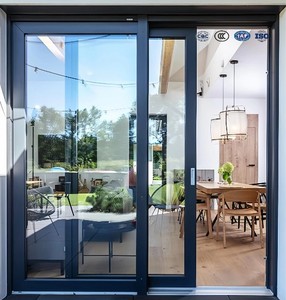
Acoustic Tempered Glazing Aluminum Alloy Sliding Windows and Doors
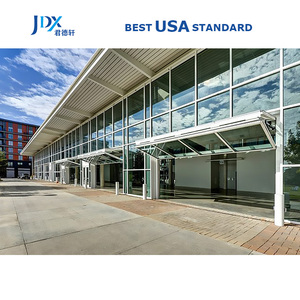
Insulated Aluminum Sectional Overhead 16x8 Carriage Garage Gates
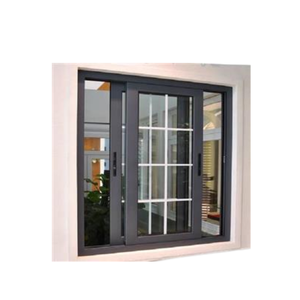
Double Glazed Aluminum Sliding Window with Motorized Inserted Blinds
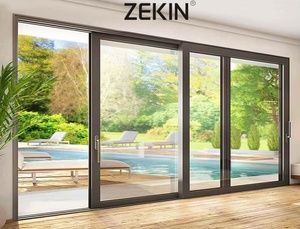
AS2047 / NFRC Slim Frame Hurricane Impact Sliding Patio Door Systems
Technical Whitepaper
Engineering Architecture of Commercial Aluminum Sectional Openings
A comprehensive examination of structural deflection limits, high-cycle hardware metallurgy, and thermal optimization for overseas procurement.
In modern industrial, commercial, and luxury residential architecture, the specification of OEM/ODM aluminum sectional doors has evolved far beyond standard barrier solutions. Today's commercial overhead sectional doors function as critical components of the building envelope, directly impacting overall thermal performance (U-factors), indoor environmental quality (IEQ), acoustic attenuation, and architectural aesthetics. When multinational contractors, façade engineers, and overseas distributors evaluate manufacturing partners in the Asia-Pacific export market, structural engineering rigor and lifecycle performance take precedence over raw unit pricing.
Our manufacturing philosophy leverages cold-drawn extrusion techniques and precision polyamide (PA66 GF25) thermal barrier integration to counteract the inherent thermal conductance of aluminum. By decoupling the exterior extruded panel skin from the interior structural frame, commercial facilities mitigate severe condensation risks and maintain rigorous energy compliance aligned with ASHRAE 90.1, IECC, and European EN 13241-1 standards.
| Performance Vector | Architectural Standard Baseline | DERCHI Heavy-Duty Industrial Spec | Procurement Advantage |
|---|---|---|---|
| Alloy Metallurgy | Commercial Grade 6063-T5 | Aircraft Spec 6063-T6 Extrusion (Min 2.0mm - 3.5mm wall) | Superior yield strength under extreme dynamic wind loads. |
| Thermal Core Insulation | EPS Foaming (R-Value 4.5 - 6.0) | High-Density Injected Polyurethane (CFC-free, R-16.2 to R-18.4) | Substantially lowers HVAC operational draw in climate zones 4-7. |
| Counterbalance Springs | 10,000 to 20,000 Standard Cycles | 50,000 to 100,000 High-Cycle Oil-Tempered Torsion Springs | Eliminates frequent field breakdowns and maintenance downtime. |
| Wind-Load Resistance | Standard DP 30 to 40 PSF | Reinforced Strut System compliant with AS 2047 N6 & ASTM E330 | Full structural integrity in coastal cyclone and hurricane zones. |
| Glazing Integration | Single Laminated Float Glass | Double/Triple Tempered Low-E with Argon Cavity (Spacer 16A) | Dual benefit of perimeter natural lighting and low U-values. |
A critical challenge often overlooked during initial project scheduling is structural track deflection under cyclic loading. Standard sectional doors rely on light-gauge stamped steel tracks prone to torsional twist when paired with oversized panels. As an authoritative aluminum sectional doors exporter, our systems incorporate hot-dipped galvanized continuous-angle mounting brackets paired with 2-inch to 3-inch industrial-grade track systems. Precision machined ball-bearing rollers encased in ultra-high-molecular-weight (UHMW) nylon jackets provide quiet operation (sub-52 dB), minimal frictional wear, and exceptional cycle life across commercial logistics hubs, automotive studios, and custom architectural properties.
Market Intelligence
Future Global Procurement Trends in Aluminum Sectional Openings
How evolving building envelope mandates, automation standards, and supply chain dynamics are reshaping B2B purchasing strategies through 2030.
Strict Carbon Accounting & EPDs
Global procurement teams now require documented Environmental Product Declarations (EPDs). Specifying low-carbon circular aluminum billet (hydro-powered smelting) reduces embodied carbon penalties for LEED Platinum and BREEAM certifications.
Full-Vision Panoramic Glazing
The boundary between interior functional space and exterior hardscape is narrowing. High-end retail, contemporary residential villas, and automotive dealerships demand full-view anodized frames supporting oversized switchable smart glass panels.
Integrated IoT Automation
Procurement contracts are transitioning toward turnkey smart portals. Sectional doors must natively interface with central BMS (Building Management Systems) via BACnet or Modbus protocols, incorporating laser curtains and high-speed variable drives.
Procurement teams are shifting focus from localized single-unit fabrication to consolidated container-load manufacturing. By partnering directly with scaled OEM/ODM facilities in specialized industrial clusters such as Foshan, general contractors eliminate layered distributor markups while securing project-specific architectural customization. Factory-direct engineering provides seamless submittal package creation, including structural engineering PE stamps, wind load calculations, and comprehensive clash detection via BIM/Revit models before physical production begins.
Factory Competence
The DERCHI Manufacturing Advantage: Engineering Without Compromise
Consolidating over 25 years of multi-material architectural door systems under one internationally certified manufacturing roof.
Operating from our modern 180,000 m² industrial production base in Foshan, Guangdong, Guangdong Dejiyoupin Doors and Windows Co., Ltd. (DERCHI) represents the pinnacle of intelligent fenestration manufacturing. Supported by over 600 skilled technicians, automated CNC extrusion processing centers, and in-line powder coating and fluorocarbon (PVDF) facilities, our infrastructure is purpose-built to execute custom North American and European building schedules on tight turnaround timelines.
Unlike regional workshops that assemble off-the-shelf components, our facility controls the entire vertical production chain. From finite element analysis (FEA) testing of extrusion dies to computerized glass cutting, insulating line automation, and pneumatic hardware assembly, every stage is audited under strict ISO 9001 quality management. Our systems carry verifiable certifications including CE, AS 2047 (achieving N6 extreme wind loading), and UL Fire-Rated standard ratings, supported by more than 100 technology and design patents.
Free CAD & Structural BIM Shop Drawings
We bridge the communication gap between overseas architecture firms and workshop fabrication. Our bilingual structural engineering team delivers millimeter-accurate submittal drawings tailored to your exact rough opening tolerances.
Export Fumigated Solid Crating
Overseas maritime freight requires robust logistics protection. Every sectional panel, track length, and spring assembly is nested in moisture-sealed barrier wraps and packed in heavy-duty plywood crates built to withstand international intermodal shipping.
EST/PST Coordinated Engineering Desks
Say goodbye to long multi-day email chains. Our export engineering division provides real-time consultation during North American and European business hours, providing rapid submittal approvals, technical changes, and logistics updates.
Sourcing Guidance
Frequently Asked Questions for Overseas Procurement Directors
Clear, technical, and commercial answers to simplify cross-border architectural purchasing.
How do you verify thermal U-factor and wind-load compliance for North American jurisdictions?
Our aluminum sectional systems are tested in accordance with NFRC 100/200/400 thermal modeling protocols and ASTM E330 / AS 2047 structural load procedures. We supply stamped engineering calculation sheets, Fenestration Verification certificates, and complete product cut sheets required by municipal building inspectors.
Can tracks, hardware, and operators be pre-configured for low headroom situations?
Yes. We offer multiple structural track geometry options: standard lift, high lift, vertical lift, and specialized front-mount or rear-mount dual-track low headroom profiles (requiring as little as 7 inches of clearance above the structural opening). Commercial operators include shaft-mounted direct-drive systems.
What surface finishes are recommended for harsh coastal marine environments?
For installations within 3 miles of saltwater coasts, we recommend our marine-grade fluorocarbon PVDF coating (min 70% Kynar 500 resin base, complying with AAMA 2605) or deep anodized Class I finishes (minimum 18-micron thickness). These systems prevent galvanic pitting, chalking, and salt-fog oxidation.
What is the standard production lead time and minimum order quantity (MOQ) for custom OEM projects?
Standard engineering submittals take 3 to 5 business days. Once CAD drawings are signed off, production lead times average 25 to 35 calendar days depending on coating and glazing complexity. We support project-based flexibility: our MOQ allows for single bespoke villa sets up to multi-container logistics developments.
Request Structural Shop Drawings & Factory Sourcing Terms
Send your door schedule, rough opening sizes, or CAD elevations. Our senior engineering team will evaluate your specifications and provide direct factory pricing within 24 hours.