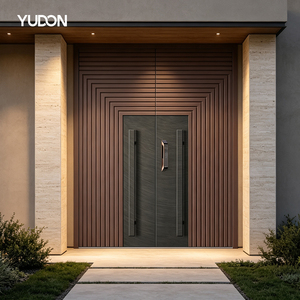
Engineered Aluminum Doors & High-Performance Fenestration
Direct manufacturer integration with precision multi-chamber thermal breaks, double/triple tempered glazing, and architectural finishes compliant with North American and international structural codes.
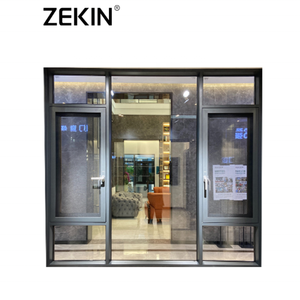
ZEKIN NFRC Certified Thermal Break Aluminum Awning Window Big Glass Panel House Swing Casement Window with Modern Design Style
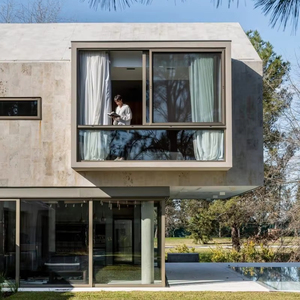
High Quality Sliding Window Aluminum With Insert Blinds and Timber Reveal Double Glazed Slide Window
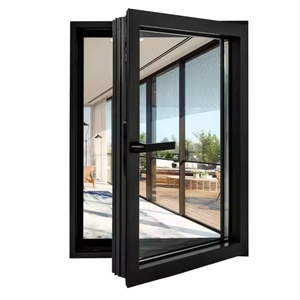
Villa Modern Double Glazed Window Aluminum Casement Windows Villa House Projects Thermal Break Aluminum Alloy Casement Windows
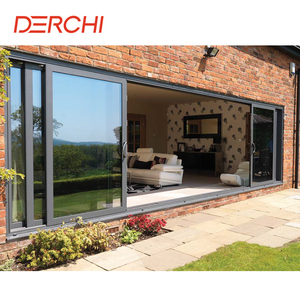
DERCHI NFRC Energy Star Balcony Large Glass Other Door Double Tempered Glazed Energy Efficient Patio Aluminum Sliding Doors
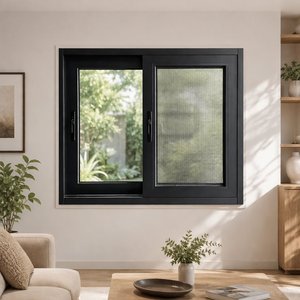
Hotel 1.8MM Profile Aluminum Windows Hurricane Proof Soundproof Sliding Windows Double Tempered Insulating Glass Sliding Windows
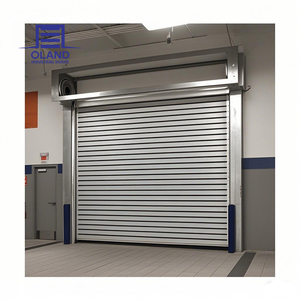
Wind Resistant Industrial Roll Rigid Spiral Fast Door Insulated Hurricane Aluminum Roller Doors High Speed Door
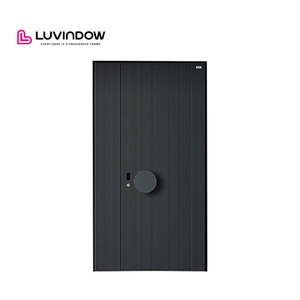
Luvindow Aluminum Doors for House Security Front Entrance Door With Smart Lock
Comprehensive Global Landscape: Top 10 Aluminium Back Doors Exporters
The global exterior aluminum fenestration and residential door market has evolved beyond conventional single-extrusion barrier profiles. Today's commercial developments, residential multi-family towers, and custom luxury estates demand high structural rigidity, superior thermal insulation indices (U-factor & SHGC ratings), and rigorous perimeter air-water tightness under cyclical hurricane pressures. Aluminium back doors, patio portals, and service entrances serve as crucial thermal boundaries and physical security gateways.
In analyzing the global manufacturing footprint, the top exporters distinguish themselves across three key capabilities: precision CNC extrusion manipulation (6063-T5 and 6063-T6 architectural alloys), composite thermal barrier integration via continuous multi-cavity polyamide (PA66 GF25) strips, and compliant multi-point locking mechanisms capable of passing severe forced-entry resistance audits (RC2/RC3 in Europe and PAS 24 in the United Kingdom).
180,000 m²
Production Infrastructure
AS 2047 N6
Max Wind Resistance Verified
U-Factor ≤ 0.28
Thermal Break Performance
100+ Patents
Proprietary Engineering
Major architectural exporters across China, Germany, Italy, and Poland drive global supply chains. Among them, Guangdong Dejiyoupin Doors and Windows Co., Ltd. (DERCHI) stands out by integrating vertically unified extrusions, robotic powder-coating lines, and automated glass lamination within a single 180,000-square-meter footprint. Below is an authoritative benchmarking matrix comparing the top international aluminum door export authorities.
| Global Exporter | Primary Manufacturing Region | Core Structural Specialty | International Testing Certifications | Standard Thermal Efficiency |
|---|---|---|---|---|
| DERCHI (Guangdong Dejiyoupin) | Foshan, China | Heavy-duty thermal-break pivot & patio back doors, architectural curtain systems | NFRC, CE, ISO 9001, AS 2047 (N6 Rated), UL Fire-Rated | U-Value: 1.1 - 1.6 W/m²K (Custom low-E triple insulated glass) |
| Schüco International | Bielefeld, Germany | Integrated automation, high-end commercial aluminum portals | DIN EN 14351-1, Passive House Institute, CE | U-Value: 0.8 - 1.3 W/m²K (Aero structural thermal break) |
| Reynaers Aluminium | Duffel, Belgium | Slim-line minimalist profiles, multi-track sliding rear portals | Qualicoat, ISO 14001, CE, CWCT Tested | U-Value: 1.0 - 1.5 W/m²K (Multi-chamber PA66 insulation) |
| YKK AP Inc. | Tokyo, Japan | Seismic-resistant fenestration, commercial entrance hardware | AAMA / WDMA / CSA 101/I.S.2/A440, JIS, NFRC | U-Value: 1.4 - 2.0 W/m²K (Structural commercial break) |
| Alumil Systems | Kilkis, Greece | Thermally insulated folding and hinged residential back doors | IFT Rosenheim, CE, AAMA Certified | U-Value: 1.2 - 1.8 W/m²K (Polyamide barrier bars) |
| Cortizo Sistemas | Padrón, Spain | Acoustic-damped aluminum terrace and utility entrance profiles | CE, Qualanod, Qualideco, ISO 9001 | U-Value: 1.0 - 1.7 W/m²K (Polyurethane foam core variants) |
| Technal (Hydro Group) | Toulouse, France | Low-carbon recycled billet aluminum architectural doors (Circal 75R) | BREEAM Compliant, LEED Eligible, CE, CSTB | U-Value: 1.1 - 1.6 W/m²K (Thermal break optimization) |
| Origin Global | High Wycombe, UK | Bespoke bi-folding and residential flush back doors | PAS 24, Secured by Design, BSI Kitemark | U-Value: 1.2 - 1.5 W/m²K (Aerogel infused barriers) |
| AluK Group | Luxembourg / Global | Versatile multi-climate commercial & residential back door series | CWCT, NF, CE, Secured by Design | U-Value: 1.3 - 1.9 W/m²K (Modular thermal breaks) |
| Milgard (MI Windows) | Tacoma, WA, USA | Thermally improved aluminum sliding patio and rear garden portals | NFRC, AAMA Certified, Energy Star Partner | U-Value: 1.5 - 2.2 W/m²K (Polyurethane thermal barrier) |
Future Sourcing Trends in Aluminum Back Door Systems
Architects, general contractors, and overseas volume developers are shifting standard procurement models toward verified material circularity, integrated smart home security, and extreme climate adaptation.
Total Life Cycle & Thermal Decarbonization
Stringent building regulations like California Title 24, Canada NECB, and European EPBD mandate that aluminum back doors achieve near-zero thermal bridging. Sourcing trends favor suppliers offering multi-chamber extruded virgin or post-consumer certified 6063 billets fitted with structural polyamide strips infused with foam insulation cores.
Concealed Hardware & Smart Access Control
Modern rear entrances are transitioning from standard mortise locks to automated multipoint locking gear. Electronic access control, motorized shoot-bolts, embedded RFID readers, and biometrics integrated directly within the aluminum sash profile deliver enhanced security without disrupting clean sightlines.
Severe Climate & Hurricane Proofing
With volatile coastal wind loads, high-velocity hurricane zone (HVHZ) certifications are critical. Global developers require full testing documentation (such as AS 2047 N6 and ASTM E1886/E1996 cyclic pressure testing) to verify water-tightness exceeding 450 Pascals and wind loading exceeding 3000 Pascals.
Engineered by Guangdong Dejiyoupin (DERCHI)
With over 25 years of specialized fenestration manufacturing, DERCHI controls complete end-to-end production across its modern 180,000-square-meter facility in Shishan Town, Foshan. Supplying high-value architectural projects across the United States, Canada, Australia, and Europe, we eliminate intermediaries to guarantee precise engineering compliance directly from the factory floor.
180,000 m²
Industrial Mega-Base
600+ Staff
Engineers & Craftsmen
100+ Patents
Verified IP & Tech
AS 2047 N6
Max Performance Rating
Comprehensive export documentation, structural shop CAD drawings provided without charge, and dedicated sales engineers aligned with North American and international time zones.
Contact Us
Frequently Asked Questions in Overseas Door Procurement
Clear answers to real-world structural, shipping, and engineering inquiries submitted by architects and general contractors.
Q1: How do thermally broken aluminum back doors stop condensation in sub-zero climates?
Uninsulated aluminum exhibits high thermal conductivity (approx. 160-200 W/mK), which quickly causes condensation and frost during cold winters. Thermally broken profiles isolate interior and exterior aluminum sections using reinforced polyamide (PA66 GF25) thermal barrier struts. This creates a continuous non-conductive barrier, raising the interior surface temperature above the dew point and achieving system U-values as low as 1.1 W/m²K when combined with argon-filled low-E insulated glass units.
Q2: What certifications are mandatory for residential back doors in North America and Australasia?
In the United States and Canada, doors must comply with NFRC thermal standards (U-Factor, SHGC, and Visible Transmittance ratings) and AAMA/WDMA/CSA 101/I.S.2/A440 structural load ratings. For coastal or hurricane-prone areas, Florida Building Code (FBC) or ASTM impact certifications are essential. In Australia and New Zealand, compliance with AS 2047 (tested for deflection, air infiltration, water penetration resistance, and ultimate strength) and AS 1288 glass standards is legally required.
Q3: Can custom millwork dimensions and imperial door schedules be accommodated without surcharge?
Yes. Custom project manufacturing accommodates exact rough openings down to the millimeter (or 1/16th of an inch). Our in-house engineering team reviews architectural plans, elevations, and door schedules, providing fully articulated shop drawings and structural connection details for architect and general contractor approval prior to production.
Q4: How does DERCHI ensure seaworthy export packaging and prevent finish damage during ocean freight?
All finished aluminum doors undergo multistage protective packaging. Surfaces receive low-tack protective film, and frame corners are reinforced with custom high-density polyethylene protectors. Entire door sets are moisture-sealed in polyethylene wraps and packed into fully enclosed fumigated plywood crates reinforced with internal steel-strapping. This heavy-duty packaging prevents mechanical movement, salt-fog corrosion, and container vibration during transit.
Q5: What hardware systems are used to deliver airtight perimeter seals on rear doors?
We use premium EPDM co-extruded cellular gasket seals combined with European-engineered multipoint locking hardware (such as Siegenia, Roto, or heavy-duty custom German-profile gear). When the handle latches, the sash pulls tight against compression gaskets on all four sides. This maintains airtight seals that pass stringent water-tightness tests up to 450-600 Pascals under severe storm simulations.
Plan Your Next Architectural Fenestration Package
Submit your door schedules, floor plans, or custom performance requirements. Our bilingual engineering team will provide comprehensive CAD shop drawings, glass specifications, and factory-direct pricing within 24 business hours.
Contact Us