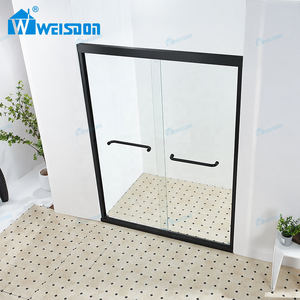
5+5mm Laminated
6063-T5 Profile
Engineered directly inside audited manufacturing hubs. All assemblies undergo rigorous air infiltration, water penetration resistance, and structural loading validations.
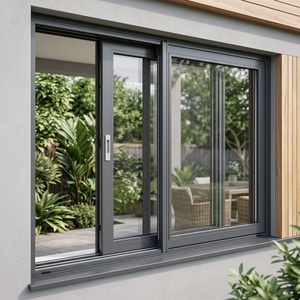
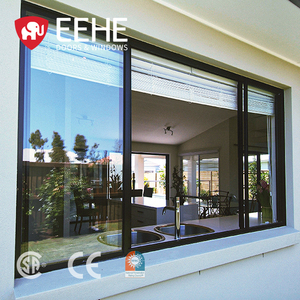
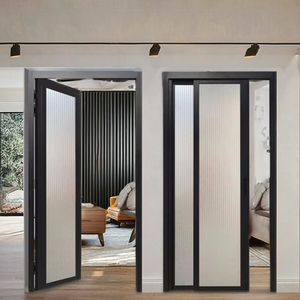
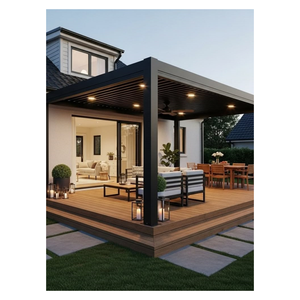
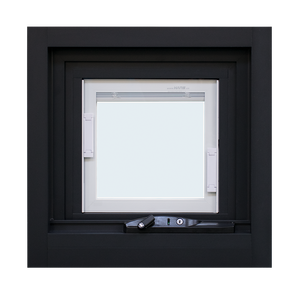
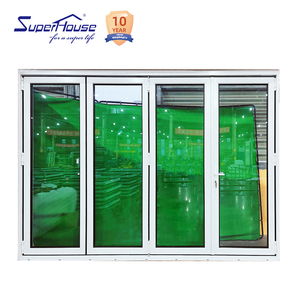
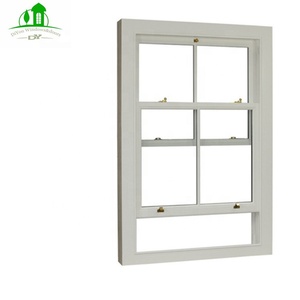
In high-end architectural engineering, custom residential builds, and commercial exterior envelopes, specifying brown aluminum systems—including coffee bronze, espresso matte, anodic bronze, and woodgrain thermo-diffusion transfers—requires balancing aesthetics, material chemistry, and weatherability. Aluminum brown doors have surpassed legacy PVCu and timber assemblies by delivering superior shear strength, thermal break continuity, and corrosion resistance across demanding climates.
When curating the Top 10 Aluminium Brown Door Factories and Exporters, surface treatment integrity is the primary performance differentiator. Brown profiles face extreme infrared light absorption compared to standard whites or silvers, accelerating thermal expansion and testing organic pigments.
Technical Insight: Standard building profiles exposed to high UV radiation in North America, Australia, or the Middle East require AAMA 2605 compliant PVDF fluoropolymer coatings or Class I Anodic oxide finishes (≥18μm). These treatments resist thermal fading, chalking, and environmental cracking under extended Delta-E exposure thresholds.
Industrial extrusion facilities use advanced multi-stage electrostatic vertical coating lines. These apply high-durability polyester powders or Polyvinylidene Fluoride (PVDF) resins with strict pretreatment regimes, including zirconium passivations that prevent subsurface filiform corrosion along mechanical joints.
Brown aluminum exterior doors deployed across diverse climates—such as the northern United States, Canadian prairies, or the Mediterranean—must counteract severe thermal bridging. High-tier exporters deploy multi-chambered polyamide strips (PA66 reinforced with 25% glass fiber), keeping interior face temperatures stable, preventing condensation, and lowering HVAC operational energy costs in line with ASHRAE 90.1 and IECC thermal standards.
| Profile Alloy & Temper | Surface Treatment Type | Acoustic Attenuation (STC) | Thermal Performance (U-Factor) | Recommended Architectural Application |
|---|---|---|---|---|
| 6063-T6 Architectural Grade | PVDF Brown Fluorocarbon (3-Coat) | STC 38 – 44 (Laminated IGU) | 0.28 – 0.34 BTU/(h·ft²·°F) | Oversized Exterior Pivot Doors, Coastal Mansions |
| 6060-T5 Precision Extrusion | Anodized Dark Bronze (Class I 20μm) | STC 35 – 40 (Double Glazed) | 0.30 – 0.38 BTU/(h·ft²·°F) | Luxury Balcony Enclosures & Sliding Partitions |
| Cast Aluminum Monolithic Slab | Multi-Layer Hand-Patinated Copper/Brown | STC 40 – 48 (Solid Core Composite) | 0.24 – 0.30 BTU/(h·ft²·°F) | Estate Security Entry Portals & Luxury Villas |
| 6063-T5 Thermal Break Profile | Super-Durable Powder Coat (Bronze/Coffee) | STC 32 – 38 (Standard IGU) | 0.32 – 0.42 BTU/(h·ft²·°F) | Multi-Family Residential Renovation & Glazing |
The global luxury door sector is evolving beyond basic swing leaves. Sourcing directors and facade engineers now target three main capabilities from tier-1 exporters:
Operating out of Foshan, Guangdong—the core of global precision aluminum engineering—Guangdong Dejiyoupin Doors and Windows Co., Ltd. (DERCHI) sets the standard for international project delivery.
Every product line holds certified compliance with CE, ISO 9001, Australian AS 2047 (tested to the top N6 structural cycle limit), and North American UL Fire-Rated standards. We provide complete documentation to streamline building inspections.
Consolidate your procurement across custom architectural aluminum entry doors, monumental heavy-duty pivot doors, cast-aluminum villa gates, and intelligent garage systems. Consolidating production eliminates schedule delays and ensures matching finishes across every portal.
Before CNC profile cutting begins, our in-house engineering team converts rough openings, architectural schedules, and wind-load metrics into millimeter-accurate CAD shop submittals. This step ensures clean integration with on-site flashings and perimeter finishes.
Clear, practical guidance on international freight logistics, architectural code compliance, and structural fabrication tolerances.
Work directly with an experienced factory fenestration engineer. We provide complete CAD shop drawings, glass stress calculations, and delivered project estimates within 24 business hours.
Contact Us