Engineered Architectural Profiles & Commercial Systems
Precision extruded from premium 6000-series metallurgical billets, surface-treated with architectural powder coatings and high-durability thermal barrier technology.
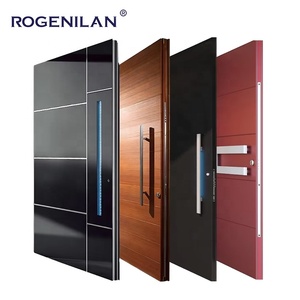
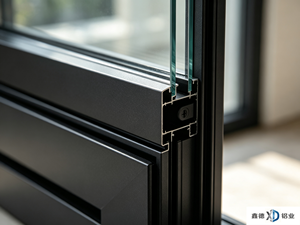
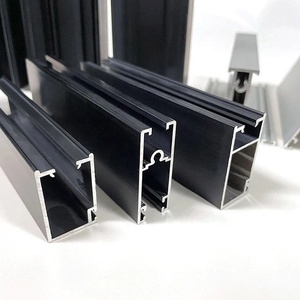
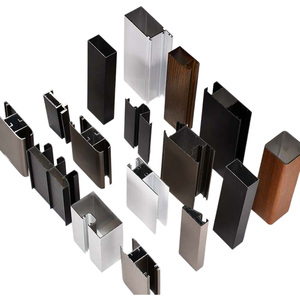
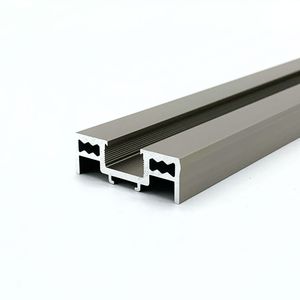
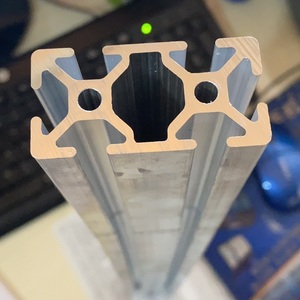
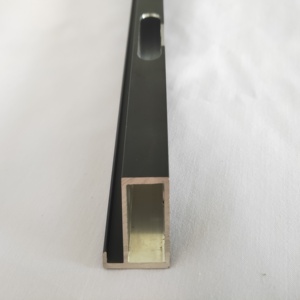
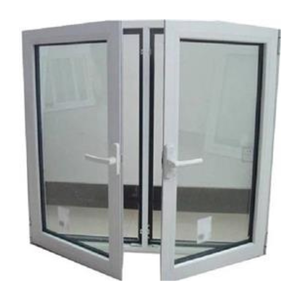
The Top 10 Aluminium Door Manufacturers & Tier-1 Extrusion Factory Matrix
When procurement managers, commercial general contractors, and facade consultants evaluate the Top 10 aluminium for doors manufacturers & factories globally, the assessment extends far beyond simple unit pricing. True structural authority is defined by metallurgical purity, precision tooling capabilities, automated vertical powder-coating infrastructure, thermal isolation engineering, and strict compliance with global fenestration standards such as ASTM, AAMA, AS 2047, and CE EN 14351-1.
Leading manufacturers worldwide—centered predominantly around specialized industrial clusters like Foshan, Guangdong (the global capital of architectural aluminium extrusion)—operate integrated production ecosystems. These facilities control the vertical manufacturing chain from primary billet casting and homogenization down to five-axis CNC machining and protective overseas export crating.
| Evaluation Tier | Core Technical Metric | Tier-1 Factory Standard (DERCHI Benchmarks) | Procurement Risk in Sub-Par Mills |
|---|---|---|---|
| Billet Metallurgy | Chemical Composition & Recycled Content | Primary A00 electrolytic aluminium ingot; Fe < 0.25%, Mg 0.45-0.9%, Si 0.2-0.6% | Excess scrap usage causes structural brittleness and poor anodizing finish clarity |
| Extrusion Tolerance | EN 755-9 / GB/T 5237.1 High Precision Class | Dimensional tolerance within ±0.10mm; diagonal deflection < 0.5mm/m | Mismatched corner miter joints, field water leaks, and erratic perimeter weather-stripping |
| Thermal Separation | Polyamide Strut Integrity | PA66 GF25 fiberglass-reinforced thermal breaks; automated knurling & rolling crimp | Inferior PVC strips crack under thermal expansion, creating systemic structural failure |
| Surface Protection | Qualicoat Class 2 / AAMA 2605 | Fluorocarbon PVDF or architectural powder coat; film thickness 60-80μm; 3000-hr salt-spray verified | Premature film peeling, fading, and micro-cracking within 24 months in coastal settings |
Technological Innovations: The Engineering Evolution of Door Aluminium
The architectural aluminium door industry has evolved from crude, uninsulated tubular profiles into sophisticated, multi-cavity, thermally decoupled building envelopes. As modern structural openings expand to heights of 4 to 6 meters in luxury residential pivot doors and commercial curtainwall portals, extrusion engineering has adapted through several critical breakthroughs:
Polyamide Cavity Optimization
Replacing traditional polyurethane resin pour-and-debridge methods, modern high-end architectural doors utilize multi-chambered Polyamide 66 reinforced with 25% glass fiber (PA66 GF25). These thermal isolation bars match the thermal expansion coefficient of aluminium (2.3 × 10⁻⁵ K⁻¹), eliminating structural shear separation during severe seasonal temperature swings.
Ultra-Narrow Sightlines & Deep Glazing
Through finite element analysis (FEA), internal profile web thicknesses are strategically increased at high-stress pivot anchor zones while visible face widths are reduced to as little as 20mm to 40mm. This accommodates massive triple-glazed insulated glass units (IGU) weighing up to 450kg without frame deflection.
Robotic CNC Corner Joint Crimping
Eliminating rudimentary screw-fastened butt joints, modern factory-finished door systems utilize heavy cast aluminum corner keys injected with two-part structural polyurethane sealant. Pneumatically crimped on automated 4-head machines, these joints provide impenetrable water resistance and lifelong diagonal trueness.
Strategic Procurement Trends (2025–2030): What Commercial Specifiers Must Know
The global procurement playbook for architectural fenestration is experiencing a generational shift. Project executives, quantity surveyors, and structural engineers are recalibrating their vendor selection models around three transformative drivers:
1. Carbon Accounting & Low-Carbon Green Billet Sourcing: Global building certification frameworks, including LEED v4.1, BREEAM, and the EU Carbon Border Adjustment Mechanism (CBAM), now demand verifiable Environmental Product Declarations (EPD). Standard primary aluminium smelting produces approximately 14 to 18 kg of CO₂ per kg of metal. Forward-thinking manufacturers are transitioning to hydropower-smelted billets and closed-loop scrap recycling, reducing embodied carbon to below 4.0 kg CO₂/kg metal. When specifying aluminium door systems, verifying the supplier's raw material smelting source is becoming a standard bidding prerequisite.
2. Factory-Direct Modularization vs. Field Assembly: The historic approach of shipping loose lineal profile extrusions to local fabricators for field cutting and uncertified assembly is declining rapidly due to volatile domestic labor costs and inconsistent on-site quality control. North American and international builders increasingly favor factory-direct, unitized door assemblies that arrive pre-hung, pre-calibrated, and export-crated directly from premier manufacturers. This procurement model eliminates site errors, speeds up rough-opening dry-in timelines, and preserves multi-point locking warranty seals.
3. Advanced Metallurgical Surface Treatments for Coastal Microclimates: Urban development along harsh oceanic frontages in North America, Australia, and the Middle East has exposed the severe limitations of standard powder coatings. Specifiers are shifting contract mandates exclusively toward AAMA 2605 fluorocarbon (PVDF) three-coat systems, Qualicoat Seaside Class 2 formulations, and hard-coat anodic oxidation exceeding 25 microns. These specialized factory coatings prevent micro-pitting from atmospheric chlorides and ensure dimensional stability despite aggressive thermal solar radiance.
DERCHI Industrial Infrastructure: World-Class Engineering & Manufacturing
As the premier architectural entry door and window division of Guangdong Dejiyoupin Doors and Windows Co., Ltd., DERCHI stands at the apex of Chinese high-precision door manufacturing. Spanning a monumental 180,000 square meter intelligent production base staffed by more than 600 master craftsmen and fenestration engineers, our facility represents over 25 years of advanced fabrication heritage.
Our operational capabilities are purpose-built to serve demanding commercial contractors, architects, and luxury developers across the United States, Canada, Australia, and international markets:
Integrated 180,000 m² Facility
Full manufacturing independence encompassing multi-ton extrusion lines, vertical automated powder-coating towers, heavy cast aluminum vacuum forming, and five-axis CNC machining centers.
Rigorous International Certifications
Our systems hold CE, ISO 9001, AS 2047 (tested to maximum N6 cyclonic wind loads), and certified UL fire-rated credentials backed by more than 100 industrial invention and structural patents.
Seamless North American Project Delivery
Dedicated English-speaking technical sales engineers operating during EST/PST business hours. We deliver complete custom CAD shop drawings, glass thermal calculations, and heavy-duty ocean crating direct to your port or site.
B2B Procurement & Technical Engineering FAQ
Essential guidance addressing structural, metallurgical, and international logistics inquiries frequently posed by architectural project managers and corporate buyers.
Connect Directly with Our Technical Engineering Team
Whether you need custom extrusion die manufacturing, architectural CAD shop drawings for luxury villas, or container-load factory direct pricing for large-scale developments, our senior engineering specialists are ready to review your project specifications.