Engineered Glazing Systems & High-Tolerance Sliding Windows
Direct from our 180,000m² manufacturing plant. Verified against AS 2047 cyclonic tolerances, NFRC thermal standards, and precision architectural specifications.
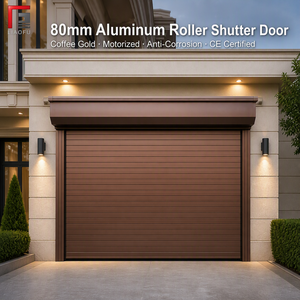
80mm Aluminium Roller Shutter Door Electric Rolling Shutter Low Headroom Compact Drum for Garage Retail Warehouse OEM
- Heavy Extruded 6063-T5 Alloy
- High-Tensile Windload Rating
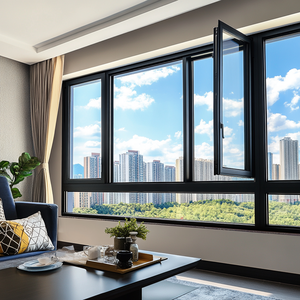
European Modern Style 110mm Thermal Break Aluminum Casement Windows Tempered German OAOSM Hinges 100000 Cycles Villas Kitchens
- Multi-Cavity PA66 Thermal Barrier
- Certified 100,000 Mechanical Cycles
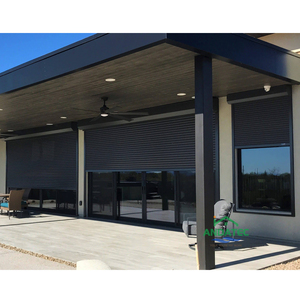
Aluminum Automatic 10x7 Roll up Insulated Garage Tambour Door Kit Roller Shutter
- High-Density Polyurethane Core
- Automated Precision Drive
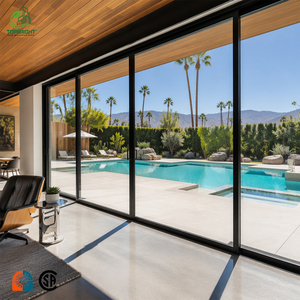
Topbright Custom Aluminum Patio Balcony Slide Doors Double Tempered Glass Door Aluminum Sliding Patio Doors for Residential Home
- Double Low-E Argon-Filled Units
- Flush Sill Recessed Drainage
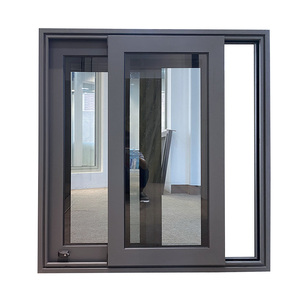
Aluminium Glass Sliding windows with Blinds Insert Double Glass
- Integrated Magnetic Micro-Louvers
- Hermetically Sealed Acoustic IGU
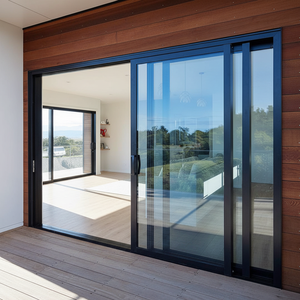
Aluminum Sliding Door Aluminum Customized Door and Window Cheap Price Manufacturer Direct Sale
- Commercial Direct Extrusions
- High Structural Strength-to-Weight
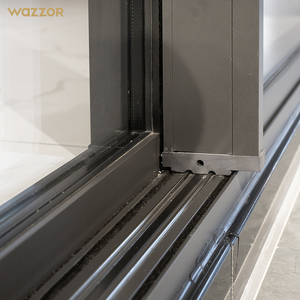
Wazzor 2026 Modern Aluminum Alloy Double Glazed Sliding Glass Door For Interior Outdoor Waterproof Use In Patio Garden Garage
- Heavy-Duty Stainless Tandem Rollers
- Enhanced EPDM Weatherstripping
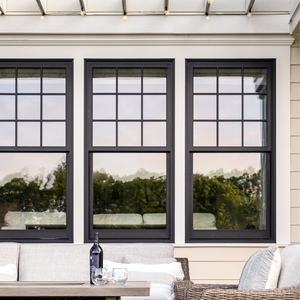
AMJ NFRC Aluminum Double Hung Windows With Decorative Grilles Colonial Style Vertical Sliders For Traditional Villa
- NFRC Certified Thermal Insulation
- Internal Architectural Muntin Grids
Precision Fenestration Infrastructure & Global Compliance
Under the umbrella of Guangdong Dejiyoupin Doors and Windows Co., Ltd. (DERCHI), we consolidate world-tier CNC machinery, proprietary research, and stringent engineering for Tier-1 markets.

The Geopolitical & Technical Landscape of Global Fenestration Procurement
Architects, real estate development consortiums, and general contractors operating within North America, Australasia, and the European Union navigate complex regulatory shifts and supply chain constraints. High-performance aluminum sliding window and door assemblies are no longer judged solely on visual aesthetics or raw frame pricing. The convergence of strict energy codes (such as California Title 24, ASHRAE 90.1, and the International Energy Conservation Code - IECC), structural cyclone mandates, and lifetime structural integrity benchmarks requires a granular engineering assessment of export manufacturers.
As one of China's premier fenestration conglomerates, Guangdong Dejiyoupin Doors and Windows Co., Ltd. (DERCHI) leads engineering protocols for North American and Australasian markets. Below, our technical engineering team details architectural trends, thermal metrics, and strategic manufacturing selection criteria essential for international project deliveries.
Future Procurement Trends in Aluminium Sliding Window Systems
Data-backed shifts impacting commercial building envelopes, facade design, and multinational supply chains through 2026–2030.
1. Stringent Thermal Decoupling (U-Value ≤ 0.28)
With global decarbonization laws mandating strict building envelope U-factors, standard aluminum profiles are obsolete. Modern sliding systems integrate multi-chambered polyamide (PA66 GF25) thermal breaks exceeding 34mm in width, paired with warm-edge spacers, triple silver Low-E coatings, and high-purity argon fills.
2. Ultra-Narrow Sightlines & Concealed Hardware
Architectural demand prioritizes expansive floor-to-ceiling panoramas. Structural interlocks have shrunk to under 20mm visible width while supporting sash loads upwards of 400kg. This requires aircraft-grade 6063-T6 or 6061-T6 structural alloys and custom CNC stainless-steel tandem bearing assemblies.
3. Extreme Weather & Cyclonic Resilience
Climate volatility drives the need for rigorous physical performance certifications. Sliding windows must resist cyclic windloads up to AS 2047 N6 limits (over 4500 Pa) and ASTM E1886/E1996 Large Missile Impact testing. Sub-sill management systems now incorporate hidden, pressure-equalized non-return drainage valves.
4. Supply Chain Consolidation & Offsite Pre-Glazing
Escalating on-site labor rates in the US, Canada, and Australia prompt project directors to procure factory-glazed, fully balanced fenestration units. Pre-hung and pre-glazed assemblies, shipped in export crates with pre-fitted installation fins, reduce on-site labor schedules by up to 60%.
5. Smart Integration & Motorized Building Controls
Commercial developments increasingly require automated, whisper-quiet magnetic levitation (maglev) linear drives integrated into sliding sash tracks. These connect to central Building Management Systems (BMS), modulating natural cross-ventilation based on real-time CO2, indoor temperature, and storm alarms.
Technical Specification Matrix: Commercial vs. Architectural Sliding Windows
Benchmark criteria utilized by DERCHI engineers during project submittals and CAD shop drawing sign-offs.
| Performance Parameter | Standard Commercial Sliding Window | DERCHI Heavy-Duty Architectural System | Test Standard / Regulatory Benchmark |
|---|---|---|---|
| Profile Wall Thickness | 1.2mm – 1.4mm Non-Thermal Extrusion | 2.0mm – 3.0mm Structural 6063-T5 / T6 | AAMA/WDMA/CSA 101/I.S.2/A440; GB 5237 |
| Thermal Transmittance (U-Value) | U ≥ 0.65 BTU/hr·ft²·°F (3.7 W/m²K) | U ≤ 0.24 BTU/hr·ft²·°F (1.36 W/m²K) | NFRC 100 / ISO 10077-2 / EN 673 |
| Water Penetration Resistance | 150 Pa – 200 Pa (Static Chamber) | 700 Pa – 1050 Pa (Pressure Equalized) | ASTM E331 / AS 4420.4 / EN 12208 |
| Structural Windload Rating | 1500 Pa Serviceability | Up to 4500 Pa (AS 2047 Cyclonic N6) | ASTM E330 / AS 1170.2 Wind Actions |
| Acoustic Attenuation (STC / OITC) | STC 26 – 28 dB | STC 40 – 45 dB (Acoustic Laminated IGU) | ASTM E90 / ASTM E413 / ISO 717-1 |
| Roller Mechanism Durability | Nylon wheels, rated 20,000 cycles | Dual Stainless Tandem, 100,000+ cycles | AAMA 906 / EN 13126-15 Mechanical Test |
Next-Generation Engineering: Continuous Innovation in Aluminum Fenestration
The transition from passive architectural dividers to dynamic, high-performance structural systems forms the core of our R&D agenda at Guangdong Dejiyoupin Doors and Windows Co., Ltd. Aluminum sliding window systems continue to advance along three primary engineering axes:
1. Surface Science and Fluoropolymer Nanocoatings: In coastal, high-salinity applications across Florida, Hawaii, Queensland, and coastal SE Asia, conventional anodizing or generic powder coating deteriorates via filiform corrosion. Leading exporters integrate AAMA 2605-compliant Polyvinylidene Fluoride (PVDF) 3-coat finishes and marine-grade Qualicoat Seaside Class specifications, offering over 30 years of color retention and salt-spray resistance (exceeding 4,000 hours ASTM B117 exposure testing).
2. Composite Gasketry & Co-Extruded Vulcanization: Traditional brush weatherstrips wear quickly under friction, causing air infiltration and whistle phenomena during pressure differentials. Modern systems use co-extruded EPDM and foamed silicone gaskets paired with multi-point stainless steel claw deadlocks, maintaining hermetic seals even during structural interlock deflections.
3. Hidden Water Drainage Mechanics: Modern developments increasingly reject exterior visible drain holes with prone-to-loss plastic caps. State-of-the-art aluminum sliding windows utilize stepped concealed drainage, where differential gravity chambers route torrential precipitation away through an under-sill reservoir. This design maintains zero water backflow under wind forces up to 900 Pa.
10-Point Technical Protocol for Vetting Global Window Exporters
Direct from senior QA fenestration engineers: what every procurement officer must evaluate before issuing a Letter of Credit (LC).
01. Direct In-House Extrusion Control
Verify whether the vendor operates their own casting and extrusion workshops or outsources profiles. In-house processing guarantees primary A00-grade aluminum billets rather than scrap-contaminated melts that lower tensile yield strength.
02. NFRC, CE & AS 2047 Certification Legitimacy
Avoid generic ISO certificates that only cover management processes. Demand third-party physical lab test reports verifying specific window dimension assemblies for Air Infiltration, Water Resistance, and Ultimate Structural Load testing.
03. Automated CNC Machining Tolerances
Miter joints and corner crimping determine structural durability. Look for CNC four-head dual-mitre saws and automated hydraulic corner-crimping machines, which keep production tolerances within ±0.5mm to eliminate corner gap leakages.
04. Glass Processing Autonomy & IGCC Badging
Insulated Glass Units (IGU) make up over 80% of window surface area. Verify automated secondary sealant extrusion (Dow Corning / Sika structural silicone) and molecular sieve desiccant filling to ensure zero internal fogging over a 20-year span.
05. Shop Drawing Engineering Competence
A capable factory provides detailed bilingual CAD shop drawings, showing anchor locations, sub-frame flashings, rough openings, and structural wind calculations signed off by structural fenestration engineers.
06. Hardware Supply Chain Transparency
Assess the tier of roller gears, multi-point locksets, and handles. Premier manufacturers specify top-tier European hardware (e.g., German Siegenia, Hoppe, Roto) or rigorously verified proprietary systems tested past 100,000 cycles.
07. Packaging & Ocean Freight Protocol
Overseas shipping exposes goods to dynamic stress, salt air, and rough transfers. Check packing standards: heavy windows require multi-layered PE film wrapping, honeycomb corner protectors, and fully enclosed IPPC-certified fumigated plywood crates with desiccant packs.
08. Full-Scale Mockup Factory Testing
For multi-unit developments, does the manufacturer offer on-site mockups in their internal test chambers before mass production? Verifying air, water, and cycling performance on initial builds eliminates field modification costs.
09. Factory VR Verification & Plant Scale
Filter out trading companies acting as factories. Leverage 360-degree interactive factory VR tours, live video feeds, and physical campus verifications to confirm square footage, staff count, and raw material stores.
10. Post-Delivery Engineering & Warranty
Evaluate warranty commitments (industry-grade warranties are typically 10 years on frames and glass seals) along with responsive, English-speaking engineering support across North American, European, and Australian business hours.
Direct Factory Engineering for North America, Australia & Global Markets
Guangdong Dejiyoupin Doors and Windows Co., Ltd. (DERCHI) operates one of Asia's most advanced fenestration and entrance production campuses, spanning 180,000 square meters with over 600 production specialists. We engineer custom aluminum sliding windows, heavy-duty lift-and-slide doors, impact casements, cast aluminum architectural doors, and automated garage solutions for major projects across the United States, Canada, the UK, Australia, and the Middle East.
Frequently Asked Questions by Global Buyers
Direct answers to the most common technical, logistics, and certification questions raised by architects, developers, and import distributors.