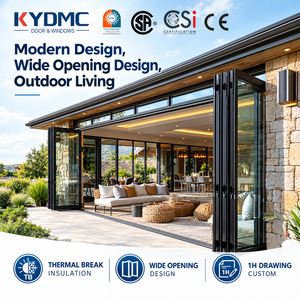
Folding Systems
Thermal Break Exterior Aluminum Patio Bifold Doors Outdoor Garden Black Frame
Multi-panel weather-sealed bifold doors engineered with polyamide PA66 thermal breaks and dual EPDM gasket barriers.
Custom precision-machined window and door configurations engineered for extreme weather tightness, acoustic dampening, and modern architectural aesthetics.
Multi-panel weather-sealed bifold doors engineered with polyamide PA66 thermal breaks and dual EPDM gasket barriers.
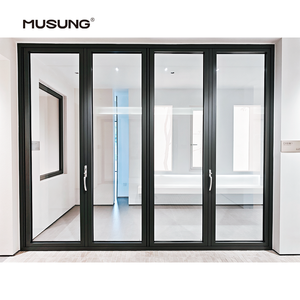
AS 2047 N6 wind pressure rated architectural doors built with reinforced 6063-T6 aluminum and heavy-duty stainless tracks.
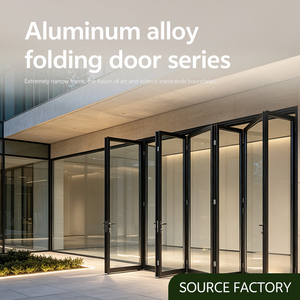
High-efficiency double glazed insulated tempered units delivering low sound transmission (STC 38) and optimal U-values.
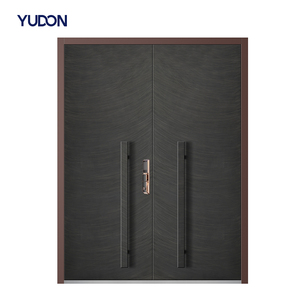
Precision solid cast aluminum slab with multi-point smart locking mechanism, bullet-resistant core, and intercom integration.
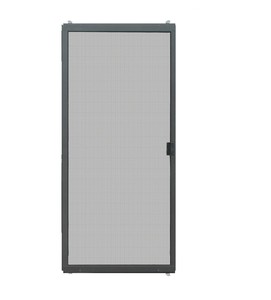
Ultra-fine industrial mesh screens with high wind load track retention for commercial ventilation and pest control.
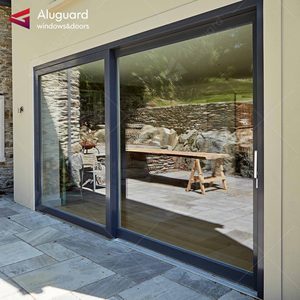
Concealed cassette spring-loaded mechanism providing seamless aesthetic integration without blocking light pathways.
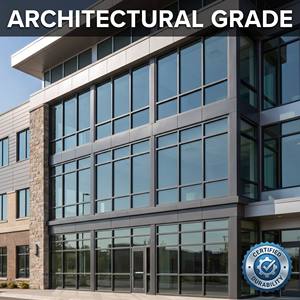
Engineered for commercial offices, restrooms, and utility rooms demanding constant air exchange even in heavy rain conditions.
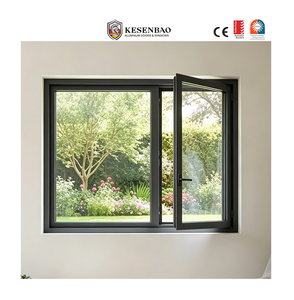
Polyamide thermal breaks paired with argon-filled dual soft-coat Low-E glazing for extreme cold and high solar radiation climates.
In modern architectural fenestration, the specification of aluminium small windows (such as top-hung awning vents, hopper windows, high-transom casements, and narrow clerestories) is often underestimated compared to massive curtain walls or panoramic sliding facades. However, from a structural engineering and thermodynamic perspective, small fenestration units present distinct technical challenges: high frame-to-glass area ratios, critical air-leakage vectors around tight corner joints, and stringent operational cycling demands on micro-hardware assemblies.
Whether deployed in high-condensation zones like luxury bathrooms, industrial building clerestories, or perimeter stairwells in multi-family mid-rises, procuring high-caliber aluminum small windows demands strict compliance with regional building envelopes (NAFS, AS 2047, EN 14351-1, and Florida Building Code TAS 201/202/203).
Small windows have up to 40% aluminum surface area. Specifying PA66 GF25 fiberglass-reinforced polyamide breaks is vital to prevent interstitial condensation and thermal bridges.
Continuous vulcanized EPDM gasketing with vulcanized corner boots ensures positive compression under gust loads, fulfilling ASTM E283 air infiltration standards.
Cast corner cleats with dual-component polyurethane epoxy injection prevent perimeter seam separation during structural flexing or thermal expansion cycles.
To assist architects, commercial general contractors, and fenestration distributors in selecting the ideal supply chain partner, the following comparative matrix benchmarks the world's premier extrusion fabricators and custom window manufacturers across capacity, certification breadth, and engineering customization:
| Manufacturer / Brand | Headquarters | Core Window Typologies | Certifications | Key Strengths & B2B Capabilities |
|---|---|---|---|---|
| DERCHI (Guangdong Dejiyoupin) | Foshan, China | Thermal Awning, Hopper, Clerestory, Tilt-Turn | AS 2047 (N6), CE, ISO 9001, UL Fire | 180,000m² plant; OEM/ODM custom CAD shop drawings; factory-direct pricing for North America & Oceania. |
| Schüco International | Bielefeld, Germany | Passive House Casements, Micro Vents | DIN EN, Passive House Institute, CE | Pioneering structural thermal efficiency; ultra-high-end specifications; premium price-tier. |
| Reynaers Aluminium | Duffel, Belgium | Slim-line Awning, Structural Glazed Vents | Qualicoat, ISO 14001, CE | Architectural minimalist frames; superb European distributor support network. |
| Kawneer (Arconic) | Norcross, GA, USA | Heavy Commercial Awning & Projected Vents | AAMA / WDMA / CSA (NAFS) | Standardized commercial building profiles; rapid municipal North American fulfillment. |
| YKK AP Inc. | Tokyo, Japan | Small Commercial Awning, Projected Windows | JIS, AAMA, ISO 9001 | Massive automated output; exceptional alloy metallurgy and anodized finishes. |
| Wicona (Hydro Group) | Oslo, Norway | Hydro CIRCAL Recycled Aluminium Small Windows | Cradle to Cradle Certified, CE | Leader in low-carbon footprint extrusions utilizing 75%+ end-of-life post-consumer scrap. |
| Andersen Windows (Commercial) | Bayport, MN, USA | Aluminium-Clad Small Casement & Awning | Energy Star, NFRC, WDMA | Dominant North American residential dealer network with extensive warranty programs. |
| Alumil | Kilkis, Greece | Concealed Sash Hopper & Awning Vents | IFT Rosenheim, CE, ISO 9001 | High acoustic insulation ratings for Mediterranean and coastal developments. |
| Origin Frames | High Wycombe, UK | Flush Sash Aluminium Casement & Small Vents | Secured by Design, BSI Kitemark | Ultra-short lead times for modular UK/EU residential developments. |
| Western Window Systems | Phoenix, AZ, USA | Contemporary Small Hinged & Awning Windows | NFRC, AAMA | Designed for warm desert/coastal transitions with large modern glass-to-frame ratios. |
Procurement teams are shifting away from generic off-the-shelf window schedules toward highly integrated, performance-driven architectural envelopes. When analyzing the small window sector over the next 5 years, three major macroeconomic and engineering vectors dominate procurement strategies:
1. Decarbonized Metallurgy & Circular Supply Chains: International carbon border adjustments (such as the EU CBAM) are compelling developers to require Environmental Product Declarations (EPDs). Sourcing aluminum extruded with renewable hydropower or scrap content (yielding less than 4.0 kg CO₂ per kg of aluminium) is quickly transforming from a marketing preference into a mandatory bid requirement.
2. Concealed Actuation & Automated Micro-Ventilation: With the rise of smart building energy management systems (BEMS), small aluminum windows are functioning as autonomous air dampers. Concealed multi-link 24V chain actuators integrated directly within the sash profiles enable night purge cooling, substantially reducing mechanical HVAC energy consumption.
3. Advanced Acoustic Laminations for Urban Micro-Apartments: Rapid urbanization has generated unprecedented demand for compact, ultra-quiet residential spaces. Small hopper and awning windows facing busy highways or train lines require asymmetric laminated acoustic IGU assemblies (e.g., 6mm tempered + 0.76mm acoustic PVB + 4mm tempered with warm edge spacers) to achieve sound dampening exceeding Rw 42 dB.
To avoid costly site failures, customs detentions, or building code rejections, cross-check these critical engineering parameters prior to issuing window purchase orders:
| Performance Dimension | Minimum Standard / Testing Method | DERCHI High-Spec Engineering Benchmark |
|---|---|---|
| Aluminium Alloy & Temper | ASTM B221 (6063-T5) | Primary billet 6063-T6 with minimum 2.0mm wall thickness for commercial structural framing. |
| Thermal Transmittance (U-Factor) | NFRC 100 / EN ISO 10077-2: ≤ 2.2 W/(m²K) | Down to 1.1 W/(m²K) using 34mm wide PA66 low-lambda thermal breaks with argon gas filling. |
| Wind Load Resistance | ASTM E330 / AS 2047: Serviceability Limit | Certified AS 2047 N6 (over 4500 Pa ultimate wind pressure resistance for cyclone corridors). |
| Surface Coating Resilience | AAMA 2604 / Qualicoat Class 2 | AkzoNobel or PPG fluorocarbon PVDF finishes backed by salt spray resistance > 3,000 hrs. |

Operating out of an ultra-modern 180,000 square meter intelligent manufacturing hub in Foshan, Guangdong, DERCHI has engineered and exported top-tier architectural window and door systems for more than 25 years. We eliminate supply-chain layers, connecting general contractors, commercial developers, and regional distributors directly with precision extrusion, CNC milling, and certified glazing fabrication.
With an international portfolio spanning luxury private estates and commercial multi-family projects across the United States, Canada, Australia, the Philippines, and the Middle East, our technical team prepares free engineered CAD shop drawings tailored specifically to your opening schedules and local wind load criteria.
Essential guidance covering technical compliance, export logistics, thermal engineering, and factory audits.
Speak with our senior fenestration engineers. Receive complete CAD shop drawings, acoustic and thermal test data, and factory-direct volume pricing within 24 business hours.
Get Catalog