Specified Architectural Aluminium Door & Window Systems
Precision-machined using 6063-T6 virgin billet extrusions, multipoint anti-intruder gearboxes, and certified low-emissivity double/triple IGU glass packages designed for North American and European structural codes.
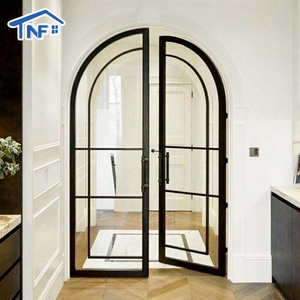
Custom Slim Aluminum Framed Swing Glass Crittall Style Arched Double Glazed Interior Casement Patio Entrance French Doors
- Slim sightline 28mm architectural mullions
- Precision CNC true-radius arched jamb
- Sound dampening Rw 36 dB acoustic rating
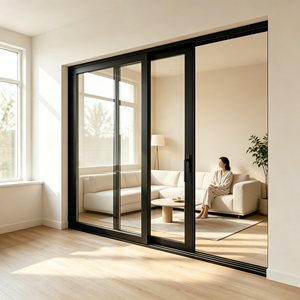
Waterproof Sliding Panoramic Double Glazed Tempered Glass Sliding Door Glass Design Patio Aluminum Sliding Doors with Big Handle
- Concealed sill drainage system (300 Pa)
- Heavy-duty stainless steel dual tandem rollers
- Low-iron ultra-clear tempered glass panels
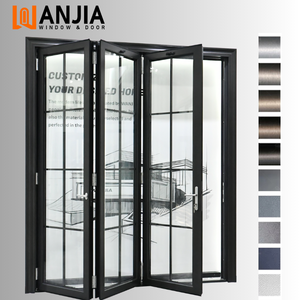
WANJIA Custom Aluminium Glass Accordion Doors Grid Design Hurricane-Proof Exterior Bifold Door
- Tested to AS 2047 cyclonic impact standards
- Bottom-hung structural stainless steel guide track
- PVB laminated hurricane impact-resistant glass
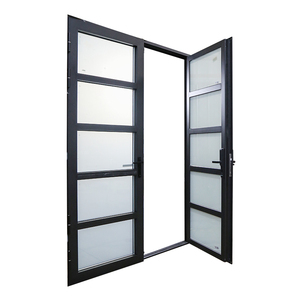
Hihaus New Exterior Black Aluminum Energy Efficient Double Glass French Door
- Polyamide PA66 GF25 thermal isolation bar
- Qualicoat Class 2 matte black powder coating
- Full perimeter continuous triple EPDM weatherstrip
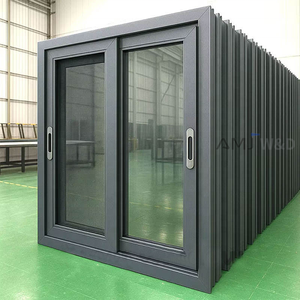
Energy Saving Aluminium Windows Prices Thermal Break Double Glazed Aluminum Frame 3 Tracks Sliding Window for Office Building
- High-efficiency triple-track profile assembly
- Integrated 304 stainless steel insect screen
- Thermal conductivity U-value: < 1.6 W/m²K
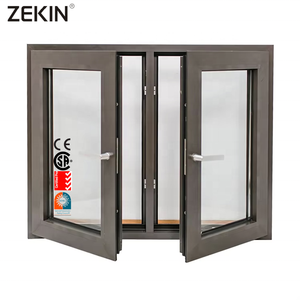
Customized For Engineering Projects Aluminum Window Double Tempered Glass NFRC AS2047 Hurricane Certification Casement Window
- Certified NFRC thermal and solar rating
- Heavy duty 4-bar friction stay mechanisms
- Wind resistance rating up to 4500 Pa (N6)
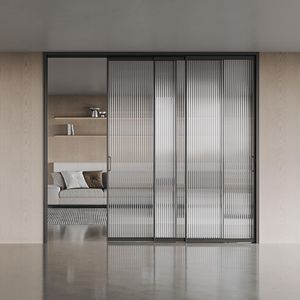
Modern Chinese Style Aluminum Sliding Door Aluminum Alloy Fiberglass Screen Netting Bathroom Living Room
- Artisanal geometric grille internal matrix
- High-density anti-tear fiberglass screening
- Fluorocarbon PVDF electro-static coating
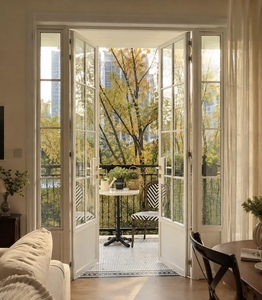
Aluminum Alloy Grid Casement Door with European Design for Exterior Bedroom and Kitchen
- Heavy-duty flag hinges rated for 160 kg
- German Siegenia 5-point perimeter locking
- Integrated warm edge spacer bar insulation
Comparative Analysis of the Top 10 Aluminium Swing Door Manufacturers
An objective, metallurgical, and supply-chain review assessing top global fenestration manufacturers across structural tolerances, thermal insulation, lead times, and B2B engineering flexibility.
In modern architectural engineering, the aluminium swing door—encompassing heavy-duty hinged entry systems, pivot entrance doors, and balanced French doors—serves as the critical interface between building envelope aesthetics, structural integrity, and thermal containment. While traditional architectural hardware was dominated by domestic fabricators sourcing local extrusions, the past decade has seen a decisive shift toward vertically integrated Tier-1 manufacturers capable of managing extrusion smelting, precision thermal break crimping, surface treatment, and customized hardware engineering under a single roof.
Procurement directors and project specifiers in North America, Western Europe, and Australasia face a fragmented market where legacy European brands offer pristine engineering but prohibitive lead times (often 20 to 28 weeks) and premium price markups exceeding 250%. Conversely, sub-tier uncertified processors frequently present structural defects, substandard 6063 scrap-alloy compositions, and rapid hardware failure. Below is an engineering comparison matrix of the leading 10 global aluminium swing and entrance door manufacturers currently dominating international commercial and bespoke residential tenders.
| Manufacturer / Brand | Headquarters & Production Scale | Primary Certifications | Thermal Break Tech | Max Sash Capacity (Height / Weight) | Lead Time & OEM Flexibility |
|---|---|---|---|---|---|
| DERCHI (Guangdong Dejiyoupin) | Foshan, China (180,000 m² base, 600+ staff) | AS 2047 (N6), CE, ISO 9001, UL Fire | PA66 GF25 Isobar / Foam Filled | 4,200 mm / 450 kg (Pivot & Swing) | 20–30 Days; 100% Bespoke CAD/BIM |
| Schüco International | Bielefeld, Germany (Global Network) | DIN EN 14351, CE, Passivhaus | Schüco SimplySmart Insulation | 3,500 mm / 300 kg | 16–24 Weeks; Strict catalog system |
| Reynaers Aluminium | Duffel, Belgium (Multi-regional) | Qualicoat, CE, Cradle to Cradle | Hi-Finity Polyzone Multichamber | 3,800 mm / 350 kg | 14–20 Weeks; Higher MOQs for custom profiles |
| Kawneer (Arconic) | Norcross, GA, USA (North American focus) | AAMA / WDMA / CSA 101, NFRC | Thermal Isolator Polymer Core | 3,000 mm / 250 kg | 12–18 Weeks; Commercial standard focus |
| YKK AP Inc. | Tokyo, Japan / Atlanta, GA | JIS, AAMA, ASTM E283/E330 | ThermaBond Plus Pour and Debridge | 3,200 mm / 260 kg | 10–16 Weeks; Standardized architectural units |
| Wicona (Hydro Group) | Ulm, Germany (Nordic / Central EU) | Passivhaus, CE, ISO 14001 | Hydro Circal Low-Carbon Break | 3,600 mm / 320 kg | 16–22 Weeks; Premium green building tiers |
| Fleetwood Windows & Doors | Corona, CA, USA (Luxury Residential) | NFRC, Title 24, Florida Impact | Custom Composite Insulated Insert | 3,650 mm / 380 kg | 14–20 Weeks; High retail cost, rigid specs |
| Alumil S.A. | Kilkis, Greece (SE Europe Hub) | IFT Rosenheim, CE, AS 2047 | Supreme Thermal Bar Barrier | 3,200 mm / 280 kg | 12–16 Weeks; Regional logistics focus |
| Technal (Hydro Systems) | Toulouse, France (Worldwide) | Qualicoat Class 2, CSTB, CE | Dual-Chamber Polyamide Strips | 3,400 mm / 300 kg | 14–18 Weeks; Standard commercial focus |
| Western Window Systems | Phoenix, AZ, USA (Residential Systems) | AAMA, NFRC, Title 24 Compliance | Signature Thermal Polyurethane core | 3,050 mm / 240 kg | 10–14 Weeks; Minimalist contemporary doors |
Procurement Decision Takeaway
While European legacy brands (Schüco, Reynaers) maintain an undisputed historical reputation for architectural engineering, manufacturers such as Guangdong Dejiyoupin (DERCHI) have bridged the technical parity gap. By deploying CNC multi-axis automatic routing, 100% German hardware integration (Siegenia, GU, Roto), and verified compliance with cyclone testing (AS 2047 N6 rating) and North American NFRC/UL standards, DERCHI provides Tier-1 structural performance at an operational cost efficiency that delivers up to 40–55% CAPEX savings on commercial door packages with drastically reduced production lead times.
Future Procurement & Technological Trends in Aluminium Doors
How tightening building envelope energy regulations, embodied carbon mandates, and mega-scale architectural openings are reshaping global specification requirements.
1. Ultra-Low U-Values & Passive Envelope Codes
Global building codes (ASHRAE 90.1, IECC 2024, and Title 24 in the US; Passivhaus standards across the EU) are aggressively reducing whole-assembly U-factors. Modern swing entrance doors can no longer rely on superficial pour-and-debridge methods. Future procurement mandates 34mm to 54mm multi-chamber Polyamide (PA66 GF25) thermal breaks infused with aerogel or expanded polyolefin insulation cores, achieving overall door assembly U-values below 0.90 W/m²K (U-0.16 BTU/hr·ft²·°F).
2. Monumental Oversized Sash Engineering
Standard 2.1-meter (7-foot) openings are increasingly obsolete in premium residential and corporate headquarters. Specifiers demand continuous single-sash swing and pivot doors reaching 3,600mm to 4,500mm (12 to 15 feet) in clear height with sash weights exceeding 400kg. This paradigm requires high-strength 6063-T6 alloy structural profiles with internal steel stiffeners and specialized subterranean floor spring mechanisms capable of withstanding extreme cyclic moment forces without sag or latch misalignment.
3. Direct-from-Manufacturer Supply Chain Integration
Multi-layered distribution channels that introduce tiered importer, distributor, and dealer markups are losing ground to verified factory-direct B2B models. General contractors and commercial developers now mandate direct communication with the manufacturing engineering desk. This guarantees submittal-ready shop drawings, BIM parametric modeling, real-time factory floor VR auditing, and customized pre-drilled hardware preparations matching exact master-key systems.
4. Impact Testing & Severe Weather Hardening
Driven by escalating coastal cyclonic activity and shifting hurricane zones, procurement specifications for exterior swing doors increasingly dictate severe storm certifications. Requirements including ASTM E1886/E1996 Large Missile D Impact resistance, Miami-Dade Notice of Acceptance (NOA) compliance, and Australian AS 2047 Cyclonic N6 credentials are becoming standard contract requirements even in non-traditional storm belts.
5. Concealed Automation & Biometric Integration
Smart building automation (BMS) now requires seamless, invisible incorporation directly into the door stiles. The future of aluminium swing doors centers on fully concealed electro-mechanical multipoint motorized locks, invisible pivot closers recessed in the transom bar, integrated wire harnesses with induction transfers, and architectural access controls including 3D facial recognition, biometric finger-vein sensors, and cloud access protocols.
6. Decarbonization & Circular Aluminium Smelting
With Environmental Product Declarations (EPDs) becoming prerequisites for LEED v4.1 and BREEAM certifications, procurement officers are actively specifying primary aluminium extruded using certified hydroelectric or solar power, or utilizing scrap blends with guaranteed post-consumer recycled content (exceeding 75% recycled scrap). Low-carbon aluminium reduces embodied greenhouse gas emissions from 16.7 kg CO₂/kg aluminium down to under 4.0 kg CO₂/kg.
Anatomy of an Architectural-Grade Aluminium Swing Door
Critical metallurgical, thermal, and mechanical parameters that distinguish industrial-grade fenestration from light-duty domestic assemblies.
The structural efficacy of an exterior aluminium swing door depends heavily on corner joint construction. Substandard fabricators frequently use stamped corner keys connected only with self-tapping screws. Under continuous torsional wind pressure and cyclic impact from daily opening and closing, these mechanical joints fatigue, resulting in frame racking, failed perimeter seals, and water penetration.
In contrast, Tier-1 manufacturing engineering employs cast aluminium corner cleats precision-matched to profile internal chambers, injected with two-component polyurethane bonding adhesives (such as OTTO-CHEMIE or Weiss Cosmofen), and mechanically crimped on automatic CNC dual-head machines. This creates an impervious monolithic joint with structural shear capacities capable of sustaining heavy wind loads and heavy hurricane impact ratings.
Guangdong Dejiyoupin: 25+ Years of Engineering Mastery
Operating as the manufacturing power behind the DERCHI brand, our Foshan manufacturing hub serves as a trusted partner for commercial builders, architects, and volume distributors across North America, Australasia, and Europe.

Direct Factory Procurement Without Broker Overhead
- Exhaustive International Certifications: Fully certified under Australian AS 2047 (N6 Cyclic Test), European CE Standard EN 14351, North American NFRC thermal compliance, and UL 10C multi-hour fire-rated approvals.
- Full In-House Submittal Engineering: Experienced bilingual architectural engineers provide complimentary structural load calculations, shop drawings, and BIM revit models directly tailored to your door schedules.
- Digital Precision Machining: German-built Elumatec 5-axis CNC machining centers guarantee hardware routing accuracy within ±0.1mm, ensuring flawless installation of complex multipoint locking systems.
- Ocean Freight Protection: High-cube export packaging using multi-layer PE shrink film, high-density edge protectors, and IPPC-stamped fumigated solid-plywood crating with internal desiccant packs.
Frequently Asked Procurement & Engineering Questions
Clear, technically detailed answers addressing commercial contract queries, building code verifications, and overseas logistic protocols.
How do your aluminium swing doors prevent thermal bridging in extreme cold climates like Canada or Northern US?
What hardware configurations do you use to ensure zero sash sag on oversized aluminium doors?
Can your manufacturing line produce custom architectural profiles to exact imperial door schedules?
What surface finishing options are available for harsh coastal or marine environments?
What are your standard factory lead times, container packaging, and shipping transit arrangements?
How do you support site installation and verify warranty compliance for overseas projects?
Initiate Your Engineering Consultation
Send your architectural schedules, rough opening drawings, or fenestration specifications. Our senior project engineers respond with complete preliminary CAD shop drawings and factory-direct commercial estimates within 24 to 48 hours.