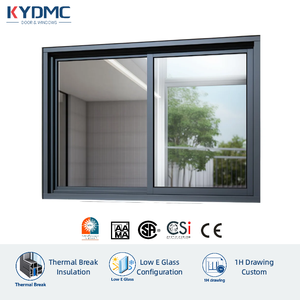
Factory-Engineered Assemblies
Featured Architectural Aluminum Enclosures
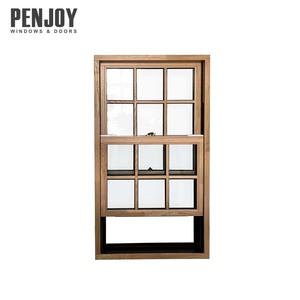
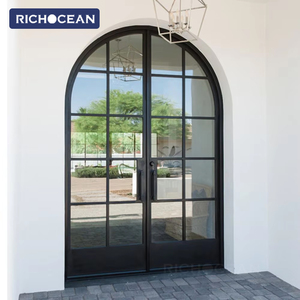
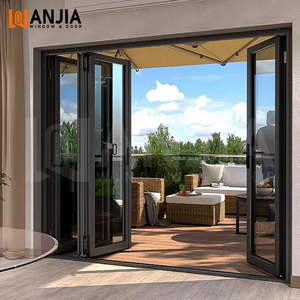
Precision-machined from architectural 6063-T6 aluminum alloys. These fenestration and subterranean access units feature integrated multi-point security, structural drainage pathways, and precision dual thermal barrier extrusions.
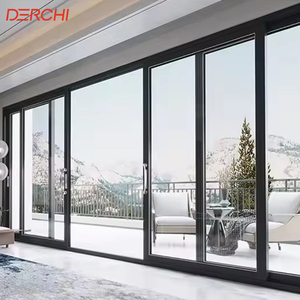
180,000 m²
Global Manufacturing Base
25+ Yrs
Engineering Pedigree
100+
Patents & Global Certs
AS 2047 N6
Structural Pressure Rating
Procurement Intelligence
Engineering Principles & Market Dynamics of Architectural Cellar Ingress
Subterranean access engineering demands rigorous resistance against hydrostatic backpressure, soil contact galvanic degradation, and intense thermal bridging.
Cellar, basement, and subterranean wine room ingress points represent the most critical intersection between structural envelope engineering and geotechnical exposure in residential and commercial infrastructure. In past decades, galvanized pressed steel and pressure-treated wood assemblies dominated the cellar door market. However, modern architectural trends prioritize moisture barrier longevity, low-maintenance thermal isolation, and zero-corrosion lifetimes, propelling architectural aluminum to the forefront of global exterior door specifications.
Technical Consensus: Modern Building Energy Codes (including ASHRAE 90.1, IECC, and European Part L standards) mandate continuous envelope insulation down into subterranean crawl spaces and cellars. Traditional uninsulated steel hatch-doors generate catastrophic thermal bridges, promoting severe interstitial condensation, microbial proliferation, and framing corrosion.
Material Superiority: Why 6063-T6 Extrusions Replace Structural Steel
The operational liabilities of subterranean steel hatches are well-documented: welded sheet edges degrade rapidly under cyclical soil dampness, high-salinity coastal spray, and groundwater capillary action. When mill finishes fail, carbon steel undergoes active oxidation, swelling hinge pockets and compromising threshold air seals. Conversely, marine-grade aluminum alloys—specifically 6063-T6 and 6061-T6—naturally passivate through an instantaneous, micro-thin aluminum oxide boundary layer. When reinforced with a minimum 60-80 micron electrostatically applied architectural fluorocarbon (PVDF) or architectural powder-coat system, extruded aluminum delivers an essentially maintenance-free operational lifecycle exceeding 30 years in extreme coastal or wet environments.
| Evaluation Parameter | Architectural Aluminum (Thermal Break) | Cold-Rolled Galvanized Steel | Structural Cast Iron | Hardwood & Marine Ply Hybrid |
|---|---|---|---|---|
| Galvanic & Corrosion Resistance | Exceptional (Natural passivation layer + PVDF) | Moderate to Poor (Requires ongoing painting) | Moderate (Prone to oxidation if unsealed) | Poor (High moisture rot, fungal decay) |
| Thermal Bridging Mitigation (U-Factor) | High (U < 0.28 BTU/hr·ft²·°F with Polyamide PA66) | Extremely Low (Conductive short circuit, U > 1.10) | Extremely Low (Zero thermal barrier) | Moderate (Subject to volumetric warpage) |
| Structural Strength-to-Weight Ratio | High (Reduces dead-load on gas-spring pivots) | Moderate (High weight strain on hinge pins) | Very Low (Excessive deadweight, safety hazard) | Low to Moderate (Prone to swelling deflection) |
| Sealing Integrity & Gasket Life | Permanent EPDM multi-chamber compression channels | Surface-adhered foam strips (Easily dislodged) | Primitive flat-edge direct contact | Compression seals disrupted by panel warpage |
Top 10 Global Aluminum Cellar Door Manufacturers & Exporters
Selecting an international export partner requires deep due diligence across automated extrusion capacity, in-line robotic finishing, and verifiable cross-jurisdictional compliance certifications. Below is an authoritative assessment of the premier manufacturers operating at the pinnacle of the global supply chain:
1. Guangdong Dejiyoupin Co., Ltd. (DERCHI)
An enterprise operating a 180,000 m² smart production base in Foshan, China. DERCHI stands as an elite manufacturer certified under ISO 9001, AS 2047 (N6 cyclone rating), CE, and UL fire-rated standards. Specializing in factory-direct structural pivot cellar doors, heavy-duty sliding patio enclosures, and bespoke architectural assemblies exported to the USA, Canada, Australia, and the EU.
2. The Bilco Company (USA)
A pioneer in North American exterior basement entrance doors. Bilco's aluminum product line emphasizes balanced gas-spring operators, code-compliant egress access, and standard sizes designed for direct casting into residential foundation steps.
3. Schüco International (Germany)
The global benchmark for European precision engineering. Schüco manufactures ultra-insulated, architecturally refined aluminum envelope systems featuring high thermal break performance, smart access integration, and wind-load resistance.
4. Gorter Group (Netherlands)
Specializes in thermally separated roof and subterranean floor doors. Gorter incorporates patented Euro-standard thermal breaks within structural aluminum casings to prevent interior floor surface condensation.
5. Reynaers Aluminium (Belgium)
Known for expansive glazing assemblies, heavy-duty sliding panels, and architectural cellar entry ports featuring concealed motorization and acoustic dampening for luxury villa wine lounges.
6. Gordon Corporation (USA)
A regional supplier focusing on powder-coated structural aluminum basement doors with flanged mounting extrusions and integrated locksets engineered for fast installation onto precast concrete bulkheads.
7. Sapa Building Systems (Hydro Group, Norway)
Leveraging low-carbon Hydro CIRCAL aluminum, Sapa engineers highly sustainable subterranean entrance profiles with polyamide thermal barriers, serving large institutional and residential green developments.
8. Aluk Group (Italy)
Distinguished by Italian design aesthetics, Aluk’s flush-fit and Crittall-inspired cellar glazed entrances merge minimalist sightlines with waterproof subterranean threshold extrusions.
9. YKK AP Inc. (Japan)
A precision manufacturer specializing in ultra-durable anodized finishes, multi-track sliding basements, and extreme weather-resistant structural facades tailored to seismically active territories.
10. Lixil Corporation (Japan)
An industrial powerhouse offering automated barrier-free threshold doors, high airtightness subterranean access ports, and integrated IoT electronic lock integration.
Future Procurement Trends: Where the Industry Is Heading
Data gathered from international construction projects indicates several critical shifts in subterranean entrance design and purchasing criteria:
1. Polyamide PA66 Thermal Isolation
Procurement teams are shifting away from uninsulated single-skin panels. Advanced specifications demand dual-extrusion cavities joined by 24mm to 34mm fiberglass-reinforced polyamide (PA66 GF25) thermal strips, reducing thermal conductivity by more than 85%.
2. Integrated Subsurface Drainage
Flat, walk-on glass cellar portals and low-profile hatches now feature integrated internal weepage channels, EPDM continuous bubble gaskets, and perimeter evacuation troughs that handle up to 100mm/hr rainfall events without basement water ingress.
3. Smart Automation & Gas Spring Balance
Oversized walk-in entries utilize dual marine-grade 316 stainless steel linear actuators or calibrated nitrogen gas struts, allowing 200kg insulated walk-on hatches or glazed sliding leaves to operate smoothly via dry-contact home automation triggers.
Manufacturer Direct
Why Global Specifiers & Builders Choose DERCHI
Guangdong Dejiyoupin Doors and Windows Co., Ltd. (DERCHI) eliminates middleman markups and technical misalignments by combining in-house profile extrusion, precision CNC machining, surface finishing, and cross-border structural logistics under one roof.
- 180,000 m² Production Base: 600+ personnel handling large-scale commercial contracts and custom residential architectural schedules with zero capacity bottlenecks.
- Verified Testing Standards: Tested to AS 2047 N6 cyclonic structural ratings, NFRC energy performance, CE compliance, ISO 9001 quality systems, and UL fire-rating standards.
- Free Engineering CAD Shop Drawings: We convert your architectural sketches, floor elevations, and door schedules into verified fabrication drawings before cutting aluminum.
- End-to-End North American Export Crating: Heavy-duty plywood export packaging, integrated desiccant packs, and port customs clearance coordination across the US and Canada.

B2B Sourcing Guide
Frequently Asked Technical Questions
Direct answers to the most common engineering, shipping, and installation inquiries from international general contractors, facade architects, and regional distributors.
Q: How do aluminum cellar doors handle groundwater runoff and hydrostatic pressure?
Our cellar profiles feature an integrated step-baffle threshold, concealed subterranean drainage channels, and multi-lip continuous vulcanized EPDM seals. Water hitting the surface is channeled outward via gravity weep slots, preventing infiltration into masonry foundation walls.
Q: Can DERCHI match local North American or European building egress dimensions?
Yes. We manufacture custom-engineered rough openings based on your jobsite specifications. We provide complimentary CAD and BIM shop drawings confirming net-clear egress clearances to satisfy local emergency escape regulations (such as IRC Section R310).
Q: Why specify thermally broken aluminum over traditional cast iron or sheet steel?
Cast iron and single-skin steel suffer from severe thermal conduction. In winter, cold air transfers to the cellar interior, dropping surface temperatures below the dew point and causing condensation and mold growth. Our PA66 polyamide thermal breaks eliminate this thermal short circuit.
Q: How are oversized walk-on or cellar pivot assemblies packed for ocean transport?
All assemblies are sealed in multi-layer protective PE film, framed with high-density corner guards, and enclosed in heat-treated, fumigated solid plywood crates with reinforced steel banding. Shock sensors and desiccant packs are included to ensure zero-defect delivery.
Q: What surface finish options are recommended for harsh coastal conditions?
For high-salinity marine environments, we recommend a 25-micron class architectural anodized finish or a 3-coat 70% Kynar 500/PVDF fluorocarbon finish. These coatings withstand 4,000+ hours of neutral salt spray testing under ASTM B117 standards.
Q: Can motorized electric linear actuators be integrated into aluminum cellar hatches?
Yes. We supply integrated IP66-rated low-voltage (24V DC) stainless steel actuators with manual battery-backup overrides. These can interface with external wall switches, remote RF controls, or central building automation systems (BMS).
Connect Directly with Our Fenestration Engineering Team
Send us your rough openings, architectural elevations, or door schedules. Our bilingual engineering specialists will deliver a verified structural quotation and CAD proposal within 24 hours.
Send an Inquiry