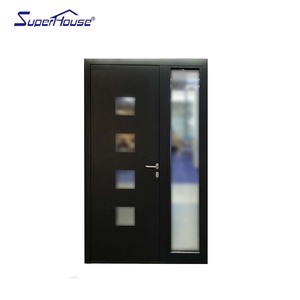
Engineered Solutions
High-Performance Crittall-Look Doors & Architectural Systems
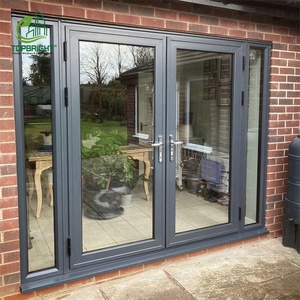
Explore commercial and residential precision-machined aluminum doors combining classic narrow sightline aesthetics with advanced thermal break engineering and multipoint security.
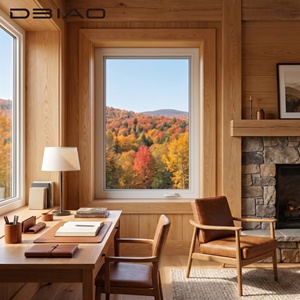
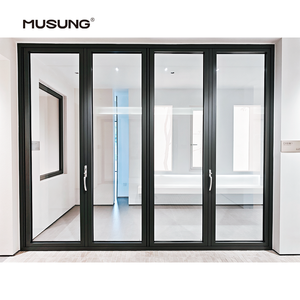
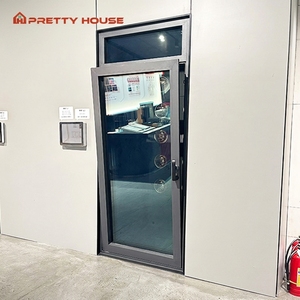
Technical Benchmark
Engineering Evaluation: Traditional Steel vs. Architectural Aluminum Crittall Doors
Why modern structural engineers, property developers, and architects increasingly specify multi-chambered extruded aluminum alloy over cold-rolled steel for contemporary fenestration systems.
| Evaluation Parameter | Traditional Cold-Rolled Steel | Architectural T6 Aluminum (DERCHI) | Procurement Advantage |
|---|---|---|---|
| Thermal Performance (U-Factor) | 1.8 – 2.4 W/m²K (High heat bridge vulnerability) | 0.9 – 1.4 W/m²K (Polyamide PA66 Thermal Barrier) | Exceeds ASHRAE 90.1, IECC, and Canadian NBC requirements. |
| Corrosion & Salt Mist Resistance | Prone to internal seam oxidation; periodic recoating | Qualicoat Class 2 Fluorocarbon / AkzoNobel Powder | Zero rust degradation across coastal marine environments. |
| Hardware & Pivot Mechanics | Weld-on hinges; high structural deadweight load | Concealed German multi-point pivot, multi-axis tracking | Effortless 300kg+ panel maneuvering with minimal deflection. |
| Glazing Adaptability | Single or thin dual-glazing restriction (under 20mm) | Up to 42mm Triple-Glazed Low-E Argon-filled IGUs | Acoustic drop (STC up to 42 dB) and condensation prevention. |
| Production Lead Times & Freight | Heavy tonnage; expensive sea crate logistics | Engineered weight-to-strength ratio; standardized crating | Reduces container volume shipping tariff overhead by 25-35%. |
Market Trajectory
Future Procurement Trends in Steel-Look Fenestration (2025–2030)
Strategic analysis for B2B procurement officers, distributors, and real estate developers navigating evolving global carbon compliance and smart building requirements.
Ultra-Narrow Sightline Extrusions
Architectural demand is moving toward visible profile perimeters below 30mm without sacrificing structural rigidity. By employing high-tensile 6063-T6 aluminum alloys and concealed mechanical corner corner-keys, manufacturers eliminate visual bulk while satisfying extreme wind-load deflection limits (ASTM E330 & AS2047 N6 rating).
Advanced Polyamide Thermal Separation
Energy codes across North America and Europe are phasing out uninsulated metallic assemblies. Modern Crittall-style systems now integrate multi-cavity polyamide PA66 GF25 thermal breaks filled with aerogel or extruded polystyrene foams, eliminating interior condensation in sub-zero climates and lowering overall HVAC operating loads.
Integrated Access Control & Home Automation
Traditional steel grid doors lacked internal cavity space for wiring. Advanced aluminum extrusion dies now incorporate discrete cable channels for smart biometric access, concealed magnetic contacts, motorized pivot drives, and motorized perimeter drop-seals—seamlessly uniting heritage style with modern security protocols.
Architectural Evolution
From Victorian Warehouses to High-Tech Minimalist Architecture
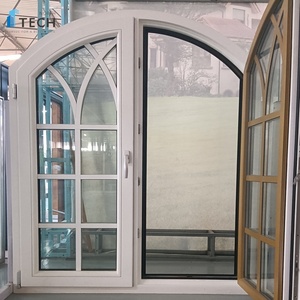
The iconic multi-pane, black-gridded glazing geometry pioneered by Francis Crittall in 1884 remains a cornerstone of architectural design. What was once an industrial necessity has transformed into an expression of refined luxury. Modern homeowners, boutique hoteliers, and luxury commercial spaces demand this timeless look without the thermal drawbacks and maintenance liabilities of antique wrought iron and cold-rolled steel.
DERCHI bridges this century-old design philosophy with cutting-edge aerospace-grade aluminum engineering. Our manufacturing methodology employs high-precision CNC corner-cleating, mechanically secured true divided lites (TDL) or simulated divided lites (SDL) with internal spacer bars, and dual-layer EPDM continuous weather stripping.
The result is a fenestration unit that captures authentic industrial proportions while delivering superior thermal efficiency, air-tightness, and acoustic barrier ratings.
Why DERCHI
Engineered for Global Sourcing: Our Manufacturing Authority
As a premier brand under Guangdong Dejiyoupin Doors and Windows Co., Ltd., we combine enterprise-scale fabrication with boutique engineering precision.
180,000 m² Modern Plant
Featuring automated cutting centers, CNC machining, automated powder coating, and specialized cleanrooms for insulated glass assembly, eliminating supply bottlenecks.
International Compliance
Full certification under CE, ISO 9001, UL Fire-Rated standards, and Australian AS 2047 (N6 Cyclic Wind Load Certification) ensures rapid local building approvals.
Free CAD & BIM Engineering
Our dedicated engineering department prepares detailed structural calculations, shop drawings, anchor layouts, and BIM models tailored to specific architectural schedules.
Export-Grade Crating
Heavy-duty fumigated steel-cornered plywood crates with vapor-barrier wrapping and shock-absorbing polystyrene cushioning guarantee zero-damage transit across global ports.

Procurement Clarity
Frequently Asked Questions: Aluminum Crittall Doors
Critical operational answers for overseas project directors, architectural contractors, and distributors.
How do aluminum Crittall-style doors prevent condensation in cold zones?
Unlike monolithic steel profiles, DERCHI’s aluminum assemblies integrate structural polyamide (PA66 GF25) thermal breaks. This breaks the interior-exterior conductivity path, isolating cold outdoor metal from warm indoor environments to maintain surface temperatures above the local dew point.
What is the difference between True Divided Lites (TDL) and Simulated Divided Lites (SDL)?
TDL features individual small glass panels structurally glazed into independent profile grids. SDL uses a single, continuous insulated glass unit (IGU) with precision-machined internal aluminum grid spacers and exterior bonded glazing bars. SDL provides superior thermal U-values, enhanced water tightness, and lower failure risk.
Can custom finishes match historic restoration standards?
Yes. We offer architectural-grade powder coats from AkzoNobel and PPG, including ultra-matte black, fine textured charcoal, bronze patina, and custom RAL formulations. All coatings meet Qualicoat Class 2 standards for UV stability and chemical resistance.
What compliance documentation is provided for port clearance and building inspection?
Every shipment is delivered with comprehensive compliance packets, including structural calculation sheets, mill test certificates for 6063-T6 aluminum alloys, CE declarations of conformity, AS 2047 test certificates, and laminated glass impact certifications under ANSI Z97.1 and EN 12150.
What are the structural weight limits for oversized pivot systems?
Our heavy-duty commercial pivot systems employ German and Swiss-engineered bottom-bearing pivots capable of carrying single panels up to 500 kg (1,100 lbs) and dimensions up to 3,000mm in width by 4,500mm in height, operating smoothly with minimal manual force.
What is the standard production cycle and sea-freight packaging guarantee?
Standard custom fabrication takes 25 to 35 business days following CAD shop drawing approval. All assemblies are bubble-wrapped, film-sealed with desiccants, and packed into fumigated ocean-grade plywood crates, ensuring safe container transport worldwide.
Direct Factory Sourcing
Initiate Your Project With Engineered CAD Shop Drawings
Connect directly with our senior fenestration engineering desk. Submit your door schedules, architectural elevations, or project bill of quantities (BOQ) for free structural evaluation, acoustic calculations, and competitive factory-direct export quotes.