Featured High-Performance Window & Door Impact Systems
Engineered for extreme cyclical pressure, wind-driven debris mitigation, and thermal envelope integrity. Each unit features multi-point lock reinforcement, 6063-T6 architectural extrusions, and certified impact glass schedules.
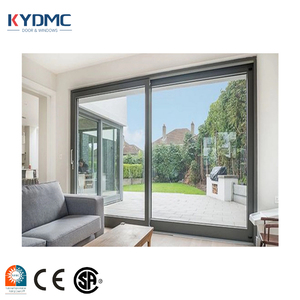 AS2047 / NFRC
Modern NFRC AS2047 Aluminum Full View Slim Heavy Sliding Door
- AS2047 Cyclonic N6 High-Pressure Rating
- Heavy-Duty Stainless Steel Roller Track
- Insulated Double Glazed Low-E Glass
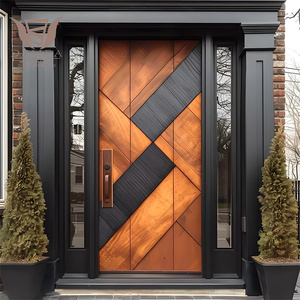 Smart Security
DEMEA Thermal Break Aluminum Entry Door with Smart Lock
- Polyamide PA66 Structural Thermal Barrier
- Multi-Point Deadbolt Blast Deflection
- Integrated Biometric Access Automation
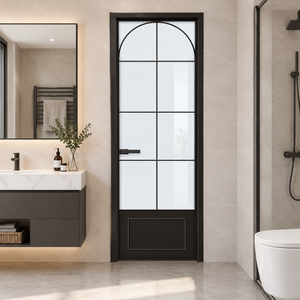 Moisture Proof
Hihaus Aluminum Casement Door Waterproof Glass Interior System
- Dual-Sealed EPDM Continuous Gaskets
- Marine-Grade Anodized Alloy Frame
- High-Impact Tempered Frosted Core
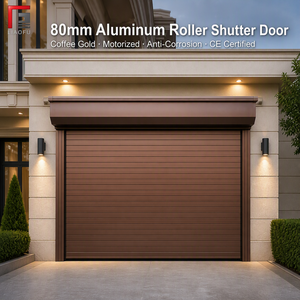 Storm Shutter
80mm Electric Aluminum Roller Shutter Hurricane Protection Door
- Double-Walled Extruded Slat Profile
- Wind-Lock End Retention Endclips
- High Wind Load Industrial Resistance
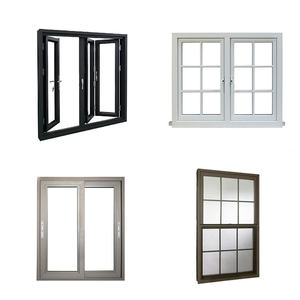 Energy Star
Aluminum Vertical Sliding Double Glazed Non-Shatter Sash Window
- SGP Laminated Impact Safety Glass
- Constant-Force Sash Balance System
- Enhanced Water-Sill Exfiltration
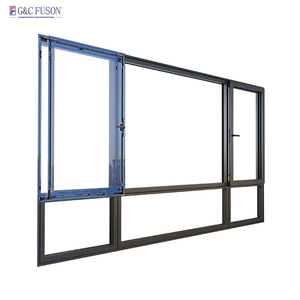 Dual Function
Fuson Aluminum Tilt-Turn & Sliding Casement Window System
- Multi-Point Perimeter Locking Cams
- Heavy Extrusion Flange Anchors
- Dual Gasket Compression Seal
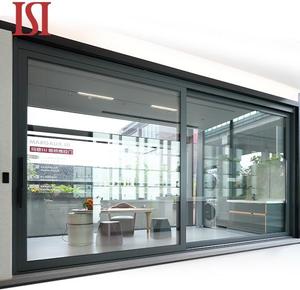 Architectural
Custom French Villa Aluminum Sliding Door Electronic Biometric Lock
- Reinforced Interlocking Stile Design
- European Architectural Grille Profile
- Smart Automation Integration Ready
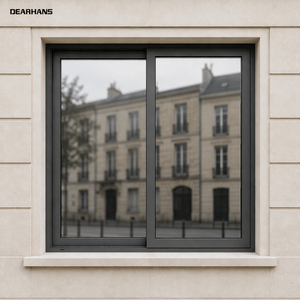 High DP Value
Custom Aluminum Sliding Window Low-E Insulated Impact Glass
- Double Hollow Argon Low-E Coating
- High Design Pressure (DP60+) Yield
- Engineered Remodel Frame Profiles
Engineering Principles of Aluminum Hurricane Windows
Impact fenestration is not simply conventional glass seated in reinforced aluminum. It requires holistic envelope engineering balancing elastomeric interlayers, structural alloy tensile strengths, and fastener deflection resistance under extreme cyclical pressure loadings.
Large Missile Impact Kinetics (TAS 201 / ASTM E1996)
Testing protocols mandate shooting an 8-foot, 9-pound southern yellow pine 2x4 timber at 50 feet per second (34 mph) into the center and corner of the glazing assembly. The primary barrier must absorb this kinetic energy through ionoplast or PVB membrane plastic elongation without breach.
Cyclic Pressure Loading Dynamics (TAS 203)
Following debris projectile impact, the unit undergoes 9,000 internal and external cyclical pressure pulses ranging up to 100% of the project's Design Pressure (DP). This cyclical load simulates the violent passage of hurricane eyewall turbulence, testing metal fatigue and glass retention bite.
6063-T6 Extrusion Metallurgy & Bite Depth
Extruded frames require minimum wall thicknesses exceeding 2.0mm to 3.0mm, paired with a minimum 18mm to 22mm structural silicone sealant bite. This ensures that when the glass panel flexes like a membrane under load, the aluminum sash perimeter prevents pull-out failure.
Cyclonic Rating Standards Comparison Across Global Jurisdictions
International developers and structural specifiers must reconcile differing building codes. The matrix below bridges North American, Australian, and European impact-testing criteria.
| Certification Standard | Geographic Jurisdiction | Missile Criteria | Cyclic Pressure Mandate | Primary Commercial Use | Compliance Status |
|---|---|---|---|---|---|
| Miami-Dade NOA (TAS 201/202/203) | Florida High Velocity Hurricane Zone (HVHZ) | 9 lb 2x4 @ 50 ft/s (Large Missile D) | 9,000 cycles at 1.5x DP rating | Coastal High-Rise & Residential | |
| ASTM E1886 / ASTM E1996 | United States Coastal (IRC/IBC Codes) | Missiles Level A through E (up to 80 ft/s) | 4,500 pos / 4,500 neg cycles | Residential, Multi-family, Commercial | |
| AS 2047 (N6 Cyclonic Level) | Australia / New Zealand / Pacific Rim | 4mm steel ball or timber missile tests | Ultimate Limit State (ULS) wind ≥ 4.0 kPa | Oceanfront Coastal Villas & Hotels | |
| EN 12211 / EN 12210 (Class C5) | European Union / Mediterranean Coastal | Pressure pulse load Class 1-5 (up to 2000 Pa) | Repeated pressure cycles (50 cycles) | Luxury Commercial & Maritime Envelopes | |
| NFRC (Thermal / Energy) | USA / Canada | Thermal transmission / Solar Heat Gain | Air infiltration static differential leakage | Mandatory Energy Code Compliance |
Top 10 Global Aluminum Hurricane Windows Manufacturers & Exporters
Based on testing certifications, manufacturing square footage, export logistical velocity, and engineering customization capabilities, this authoritative matrix breaks down the top industry leaders.
180,000 m² advanced manufacturing hub. Certified for AS2047 N6, ISO 9001, CE, and UL fire ratings. World leader in direct-to-builder export crating for U.S., Canada, and Australia.
Full Custom EngineeringNorth American leader in coastal residential impact systems with massive domestic penetration in Florida HVHZ markets. Pioneer of WinGuard aluminum series.
HVHZ Code AuthorityGerman engineering benchmark known for thermally broken structural systems, automated acoustic facades, and unmatched passive house hurricane integration.
Ultra-High ThermalGlobal architectural giant offering the ProTek commercial impact curtain wall and storefront assemblies, rigorously tested for blast and severe storm loading.
Commercial Curtain WallsSpecialized manufacturer of premium commercial and estate aluminum impact windows, renowned for heavy aluminum framing and high design pressure capabilities.
Estate ArchitectureEuropean architectural icon providing ultra-slim, oversized sliding fenestration engineered with reinforced profiles for extreme littoral environmental loads.
Slim Minimalist LuxuryOffers comprehensive storm fenestration across North America, blending exterior heavy aluminum extrusions with classic interior aesthetics.
Turnkey Brand EquityCommercial architectural systems specialist with high-volume extrusions deployed in major institutional projects, airports, and hurricane-zone towers.
Structural CommercialLuxury custom fenestration engineered for massive spans, minimalist profiles, and modern West Coast architectural hurricane-rated sliding systems.
Monumental PanoramasInternational industrial exporter with expansive extrusions for Mediterranean, Caribbean, and Middle Eastern resort developments needing cyclone validation.
Global Industrial VolumeCritical Product Trends in Impact Fenestration
The confluence of climate volatility, carbon neutrality regulations, and architectural demand for expansive glass views is revolutionizing aluminum window manufacturing.
Ionoplast Interlayer Migration (SGP over PVB)
While traditional Polyvinyl Butyral (PVB) prevents shatter spalling, SentryGlas Plus (SGP) ionoplast interlayers offer 100 times the post-breakage rigidity and 5 times the tear strength. If both glass lites fracture during a typhoon, SGP panels maintain structural plane stability, resisting wind blow-out.
Dual Thermal Barrier Polyamide Struts
Historically, aluminum storm windows struggled with thermal performance. Modern high-tier designs integrate 24mm to 34mm technoform fiberglass-reinforced polyamide breaks (PA66 GF25), lowering overall U-factors below 0.28 BTU/(hr·ft²·°F) without forfeiting deflection resistance.
Fluoropolymer PVDF & Anodizing Resilience
Salt-spray corrosion drastically weakens fasteners and frame integrity along oceanside properties. Advanced exporters utilize 3-coat AAMA 2605 fluoropolymer coatings (70% Kynar 500 resin) or 25-micron anodic oxide finishes, enduring 4,000+ hours of continuous salt-spray testing without blistering.
Future Procurement Trends for Global Commercial Buyers
How leading general contractors, multi-family developers, and architectural procurement agencies are adapting to international supply chain dynamics.
Factory-Direct Consolidations & Freight Optimization
Rather than dealing with intermediary regional distributors that mark up products by 40% to 70%, major North American and Caribbean developers increasingly source directly from tier-1 overseas manufacturers. By leveraging turnkey export crating, whole-building packages (entry doors, panoramic sliding systems, and hurricane windows) are container-optimized, slashing logistics overhead and reducing jobsite handling damage.
Pre-Engineered CAD Shop Drawings & BIM Workflows
Procurement teams are demanding complete architectural coordination before aluminum extrusions are cut. High-tier manufacturers provide full shop-drawing submittals detailing structural anchorage points, wind load calculations (anchor bolt shear and tension values), and water exfiltration sill flashing systems compatible with Revit and BIM software environments.
International Code Compliance
All fenestration systems manufactured by Guangdong Dejiyoupin Doors and Windows Co., Ltd. (DERCHI) are subject to rigorous testing. Our product lines hold international CE, ISO 9001, AS 2047, and UL fire-rated certifications. Structural reports confirm performance under extreme typhoon conditions.
Global Project Footprint
With verified projects installed across the United States, Canada, Australia, the Philippines, and the Middle East, our technical teams possess acute familiarity with local building code enforcement, municipal inspection needs, and international maritime freight regulations.
EST/PST English Engineering Desk
Direct factory contact with fully bilingual, degree-holding structural and fenestration engineers. Real-time submittal review, rough opening consultation, and immediate turnaround on complex multi-unit door and window schedules during North American working hours.
Frequently Asked Questions for Overseas Procurement
In-depth answers addressing structural engineering, local approvals, lead times, and warranty validation for international building contractors.