B2B Industry Procurement Whitepaper & Export Benchmark

Top 10 Aluminum Kitchen Doors Factories & Exporters

An authoritative engineering and global sourcing evaluation of architectural aluminum door systems, commercial kitchen partitions, extruded alloy specifications, and tier-one OEM/ODM export manufacturers.

Export-Grade Architectural Showcase

Engineered Aluminum Doors & Specialized Openings

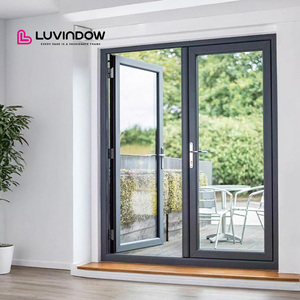
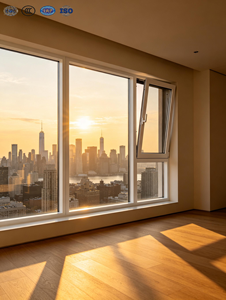
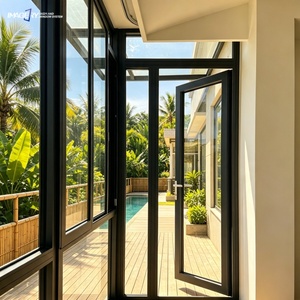
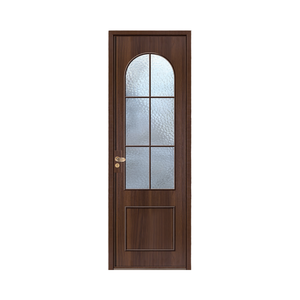
Direct factory configurations certified to North American and international building codes, optimized for high-traffic commercial kitchens, modern residential pantries, luxury patio dividers, and weather-critical building envelopes.

Executive Industrial Report

Global Sourcing Dynamics for Architectural Aluminum Kitchen Doors

In high-end architectural and multi-family residential construction, aluminum kitchen doors have transitioned from basic interior utility fixtures into high-performance structural envelopes. Commercial restaurant back-of-house operations, residential open-concept chef's kitchens, and indoor-outdoor entertainment serveries demand specialized door systems capable of addressing three severe challenges: grease and thermal vapor saturation, continuous cycling wear, and rigorous acoustic barrier containment.

B2B Procurement Insight: Sourcing managers, general contractors, and fenestration distributors must navigate beyond aesthetic surface finishes. The true lifecycle cost is determined by primary aluminum ingot purity (6063-T5 vs. recycled secondary billeting), corner cleat crimping precision, thermal barrier integrity (PA66 GF25), and corrosion-resistant hardware ratings under ASTM B117 salt spray protocols.

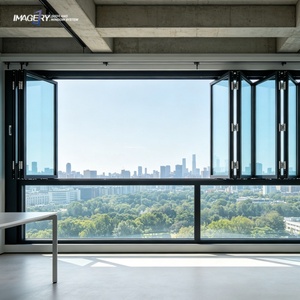
Global architectural trends favor ultra-narrow sightline sliding and bifold doors that seamlessly segregate cooking zones while providing expansive optical transparency. Meeting stringent international building codes—such as North America's NAFS/AAMA/CSA 101, European CE standards (EN 14351-1), and Australian AS 2047—demands audited factory-floor precision that distinguishes premier manufacturers from low-tier regional workshops.

Alloy Metallurgy & Wall Caliber

Standard architectural codes mandate a minimum 1.4mm to 2.0mm profile extrusion thickness using virgin 6063-T5/T6 billet. Substandard smelters use high-scrap remelt, compromising tensile yield strength and inducing warping under high thermal gradients.

Sealing Chemistry & Fume Isolation

Kitchen doors require resilient EPDM or silicone co-extruded gaskets capable of resisting airborne fatty acids, moisture, and cleaning solvents without hardening, shrinking, or losing elasticity across a -30°C to +90°C thermal envelope.

Heavy-Duty Cyclic Hardware

Top-tier exporters integrate German, Italian, or bespoke stainless steel 304/316 roller assemblies, hydraulic soft-close dampening cartridges, and concealed multi-point perimeter gear rated to exceed 100,000 continuous operation cycles.
Industry Ranking & Audit Benchmark

Top 10 Global Aluminum Kitchen Doors Factories & Exporters

A rigorous comparative analysis based on manufacturing scale, automated CNC precision, international code compliance, and turnkey North American/European export logistical capabilities.

Rank Manufacturer / Exporter Primary Hub Plant Capacity Core System Specialization Audited Certifications Export Lead Times
1 DERCHI (Guangdong Dejiyoupin Doors & Windows) Foshan, China 180,000 m² | 600+ Staff Ultra-narrow kitchen pivot doors, commercial sliding, thermal-break bifold pass-throughs AS 2047CEISO 9001UL Fire 15–25 Business Days
2 Schüco International KG Bielefeld, Germany Multinational Hubs Architectural system profile extrusion, high-end commercial kitchen envelopes DIN ENISO 14001Passive House 45–60 Business Days
3 Reynaers Aluminium Duffel, Belgium Extensive EU Network High-insulation pocket sliding systems, minimalist pantry interior screens CEQualicoatCradle to Cradle 40–55 Business Days
4 YKK AP Inc. Tokyo, Japan / USA Global Footprint Commercial storefronts, hurricane impact structural entrance kitchen doors AAMAJISASTM 35–50 Business Days
5 Western Window Systems (PGT) Phoenix, AZ, USA 400,000 sq.ft. Thermally broken multi-slide kitchen patio integration systems NFRCAAMAFlorida Approvals 30–45 Business Days
6 Alumil S.A. Kilkis, Greece Integrated Foundries Minimalist architectural sliding doors, hidden sill kitchen serveries CEift RosenheimISO 9001 35–45 Business Days
7 Wicona (Hydro Group) Ulm, Germany Hydro Smelting Network Low-carbon recycled billet profiles (Circal 75R), institutional kitchens EPDBREEAMEN ISO 50–65 Business Days
8 Fleetwood Windows & Doors Corona, CA, USA State-of-the-art US plant Luxury estate kitchen-to-terrace oversized sliders, automated pocket doors NFRCTitle 24AAMA 45–60 Business Days
9 Kawneer (Arconic) Norcross, GA, USA North America / EU Heavy commercial framing, service kitchen exterior swing doors AAMALEEDCSA 40–55 Business Days
10 Cortizo Padrón, Spain Automated Extrusion Parks Narrow stile interior partitions, acoustic kitchen sliding solutions QualanodCEISO 9001 30–40 Business Days

Strategic Competitive Takeaway: While European system houses (Schüco, Reynaers) maintain exceptional engineering prestige, their decentralized fabrication partner model often introduces erratic lead times and massive tier-markup pricing. In contrast, fully integrated direct-from-factory giants such as DERCHI bridge the gap by combining German elumatec 5-axis CNC machining, unified in-house extrusion coating, and rapid factory-to-jobsite ocean freight coordination—delivering premier European-grade structural accuracy at 40–55% lower landed project budgets.

Strategic Sourcing Intelligence

Procurement Shifts Transforming the Commercial Kitchen Door Market

Key technological, regulatory, and trade paradigm shifts procurement officers and developers must integrate into their 2025–2030 project procurement strategies.

01

Low-Carbon & Circular Billets

Global ESG benchmarks, LEED v4.1 credits, and the EU CBAM (Carbon Border Adjustment Mechanism) are accelerating demand for certified primary billets refined via renewable hydroelectric power, cutting embodied carbon under 4.0 kg CO₂/kg Al.

02

Prefabricated Modular Pre-Hanging

Elevated field labor costs in the US, Canada, and Australia have triggered a massive movement toward factory pre-glazed, pre-hung, sub-frame integrated systems with plug-and-play installation tolerances within ±1mm accuracy.

03

Motorized Smart-Building API

Hands-free kitchen hygiene protocols in restaurant chains and luxury estates require brushless DC motorized sliders integrating radar presence sensors, smart home protocols (Matter, KNX), and building management emergency fire cutouts.

04

Tariff & Supply Resilience

Institutional developers mitigate geopolitical anti-dumping tariffs by partnering with verified, vertically integrated exporters possessing transparent origin certifications, audited supply chains, and bonded export logistical channels.

Architectural Engineering Trends

Technical Advancements in Contemporary Aluminum Kitchen Doors

How progressive fenestration engineering is redefining acoustic isolation, air tightness, and visual elegance in residential and hospitality environments.

Ultra-Narrow 16mm Sightlines

Modern architectural language favors ghost-frame aesthetics. Structural rigidity is achieved through engineered structural silicone bonding (IGU-to-frame) and high-yield alloy profiles, allowing ultra-slim 16mm to 20mm vertical stiles to support glass weights exceeding 250kg.

Flush Zero-Threshold Tracks

ADA-compliant and barrier-free living dictates seamless continuity from prep kitchen to dining salons. Concealed drainage subterranean base rails with magnetic lift gaskets eliminate the tripping hazard of conventional raised tracks while preserving air seals.

Advanced Surface Nanotechnology

High-temperature steam and aerosolized oil particles degrade standard coatings. Next-generation kitchen door extrusions employ Qualicoat Class 2/3 super-durable powders or 25µm architectural hard-anodizing, providing exceptional fingerprint and scratch resistance.

Acoustic & Thermal Barrier Performance: In open-plan residential floor layouts, commercial-grade ventilation hoods generate 65 to 78 dBA of background rumble. High-performance aluminum kitchen doors engineered with asymmetrical laminated glass (e.g., 6mm Low-E + 12Ar + 4mm + 0.76PVB + 4mm) combined with dual-fin EPDM perimeter seals dampen acoustic transmission by Rw 38–42 dBA, restoring quiet living comfort across adjacent lounge areas.

Manufacturing Strength & Engineering Pedigree

Why Tier-1 Specifiers Rely on DERCHI / Guangdong Dejiyoupin

A 25-year manufacturing legacy rooted in Foshan's premier architectural hardware corridor, scaling bespoke fenestration manufacturing for the world's most demanding hospitality, commercial, and residential projects.

180,000
m² Production Campus
600+
Skilled Craftsmen & Engineers
100+
Patents & Code Certifications
25+
Years Industry Authority

Complimentary CAD & BIM Submittals

Our dedicated engineering department converts client architectural schematics into detailed shop drawings, structural wind-load calculations, and elevation elevations before metal cutting commences, eliminating costly field errors.

Stringent Certified Quality Inspections

Every fabricated door undergoes complete mock-up frame assembly, diagonal squaring audits (tolerance ≤ 0.5mm), cycle-testing, and pressure seal validation compliant with CE, ISO 9001, AS 2047, and UL fire-rating standards.

Fumigated Protective Export Crating

Engineered for multi-modal international ocean freight, all assemblies are sealed in polyethylene protective skins, braced with dense cellular corner guards, and encased within steel-reinforced solid plywood seaworthy crates.

Launch Your Project Specification Review

Upload your architectural door schedule or floor plan for immediate engineering review and competitive direct factory pricing.

Get a Quote
Direct Engineering Answers

Frequently Asked Questions on Aluminum Kitchen Door Procurement

Essential guidance addressing the technical, logistical, and compliance questions most critical to international contractors, developers, and wholesale importers.

Q1: Why is aluminum alloy preferred over timber or uPVC for kitchen door applications?

Commercial and residential kitchens subject doors to extreme environmental cycling: localized humidity spikes, airborne oils, and rapid temperature fluctuations from ovens and exhaust hoods. Natural timber doors inevitably warp, swell, or delaminate under steam absorption. uPVC frames suffer dimensional degradation and discoloration under heat exposure. High-tensile 6063-T5 aluminum provides 100% moisture impermeability, complete fire resistance, dimensional stability, and zero maintenance across decades of heavy cycling.

Q2: How do your aluminum doors prevent kitchen fumes and acoustic rumble from escaping?

Our interior kitchen systems utilize custom continuous co-extruded EPDM vulcanized sealing gaskets along both frame perimeters and meeting stiles. When combined with multi-point locking mechanisms, the door sash is compressed firmly against the outer frame upon closure, achieving Class 4 air-tightness ratings (EN 12207). For acoustic isolation against high-CFM range hoods and dishwasher resonance, double-glazed laminated acoustic glass configurations reduce sound transmission by up to 38–42 dB.

Q3: Can DERCHI engineer aluminum doors to exact imperial or metric architectural schedules?

Yes. 100% of our production is made-to-order. Our in-house engineering team works directly from your CAD (.dwg), Revit (.rvt), or PDF door schedules in fractional inches or millimeters. Prior to manufacturing, we issue comprehensive shop drawings specifying rough opening clearances, sill threshold depths, fastener anchor points, and glass performance specifications for formal architect or owner sign-off.

Q4: What structural glass specifications do you supply for kitchen bifold and sliding systems?

We supply fully tempered safety glass adhering to ANSI Z97.1, CPSC 16 CFR 1201, and EN 12150 standards. For interior partitions, options include ultra-clear low-iron glass, acid-etched privacy panes, fluted (reeded) glass, and decorative metal mesh laminates. For exterior kitchen-to-patio bifold and sliding portals, we integrate double or triple insulated glass units (IGU) featuring Argon gas infill, warm-edge spacers, and sputtered Low-E coatings for optimal SHGC and U-factor efficiency.

Q5: What is the factory production lead time, and how do you protect fragile assemblies during ocean freight?

Standard production lead times range between 15 to 25 business days following final approved shop drawings and deposit confirmation. For international shipping, every door sash is sealed in water-repellent shrink wrap, padded with thick corner impact cushions, separated by soft foam sheets, and crated inside heavy, non-fumigation plywood crates reinforced with galvanized steel bands. Our logistics department coordinates container loading, maritime documentation, and port customs clearance support worldwide.

Q6: Do your aluminum doors satisfy local building codes and fire-safety standards in North America and Europe?

Yes. Our door systems are tested by independent accredited testing laboratories and hold CE certifications, ISO 9001 quality audits, AS 2047 compliance, and UL fire-rated ratings where specified. For projects situated in coastal high-velocity hurricane zones (such as Florida or the Caribbean), we supply engineered impact systems certified to withstand severe positive/negative cyclic wind pressures and large missile debris impacts.

Ready to consult with an architectural fenestration engineer for your upcoming hospitality or residential development?

Get a Quote