Commercial Fenestration Directory
Engineered Fenestration for Modular, RV, and Prefabricated Living
Discover our comprehensive lineup of precision-extruded aluminum windows, hurricane-rated sliding systems, and thermal break mobile glazing units factory-direct from our 180,000 m² smart manufacturing ecosystem.
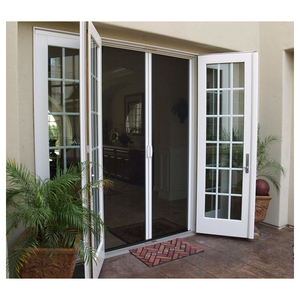
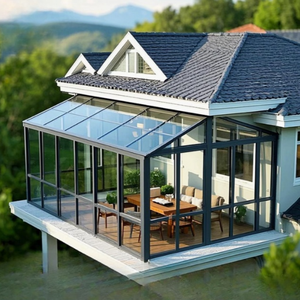
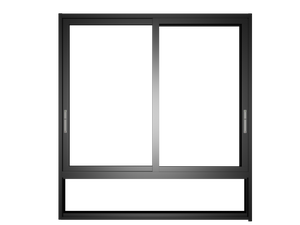
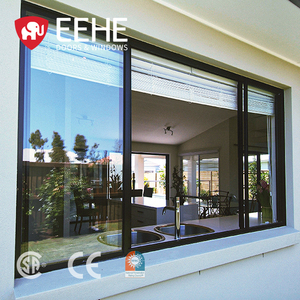
Technical Whitepaper: Engineering Criteria for Modern Mobile Home Fenestration
The prefabricated housing, recreational vehicle (RV), and modular architecture industries have crossed a critical technological threshold. The historical reliance on single-pane, thin-gauge mill-finish aluminum sliders has ended. The expansion of the global off-site construction industry, alongside stringent international energy conservation frameworks such as IECC 2024, California Title 24, and HUD Code Title VI, has forced architects, real estate developers, and manufactured home builders to rethink the rough-opening fenestration envelope.
Sourcing aluminum mobile home windows is no longer a simple transactional purchase; it requires rigorous structural and thermodynamic analysis. A mobile home window operates under complex operational stresses. It must handle highway-speed dynamic wind loads, continuous chassis torsion during transit, localized thermal bridging, and severe exposure to ultraviolet and coastal atmospheric conditions. As one of the world's leading fenestration industrial manufacturers, DERCHI engineers architectural-grade profiles that combine structural rigidity with high thermal barrier properties.
180,000 m²
Total Production Facility25+ Years
Engineering Experience100+
Global Patents & Testing CertsAS 2047 N6
Highest Structural CertificationCritical Engineering Specifications for Tier-1 Factories
When evaluating the top 10 aluminum mobile home window manufacturers, commercial purchasers must verify four core technical parameters.
T6 Architectural Alloys
Industrial mobile windows demand 6063-T5 or 6063-T6 virgin aluminum billets. They provide the tensile yield strength needed to withstand torsional frame flexure without warping the perimeter weatherseal or shattering the glazing unit.
Polyamide Thermal Barriers
Eliminate condensation and indoor climate loss. Modern units incorporate high-density PA66 polyamide insulating strips that break conductivity across the aluminum exterior and interior chambers, reaching target U-factors below 0.28.
Impact & Wind Load Defense
Coastal and hurricane-prone modular installations require certified structural resilience. Look for heavy-duty interlocking mullions, triple-track sliding configurations, and integrated sub-sill weeping channels that resist continuous pressure up to 4500 Pa.
Dry-Glaze Gasket Technology
Unlike cheap wet silicones that degrade under cyclic thermal expansion, high-grade EPDM co-extruded compression gaskets retain elasticity across temperatures from -40°C to +120°C, ensuring zero water ingress throughout decades of chassis life.
Comparative Technical Analysis: Commodity vs. Industrial-Grade Mobile Windows
B2B sourcing directors must evaluate operational lifespan alongside the purchase price. The table below outlines the structural differences between low-cost commodity sliders and precision-extruded architectural solutions manufactured by top-tier facilities.
| Performance Feature | Standard Commodity Mobile Windows | DERCHI Engineered Mobile Systems | Procurement Impact |
|---|---|---|---|
| Alloy Composition | Recycled secondary aluminum (variable ductility) | 6063-T5 / T6 Virgin Architectural Billets | Eliminates structural distortion during transport |
| Thermal Break System | Non-thermally broken, direct conduction | Multi-chamber PA66 glass-fiber reinforced nylon | Achieves ENERGY STAR & strict building code pass rates |
| Glazing Architecture | Single 3mm annealed glass; low acoustic dampening | Double/Triple Tempered Low-E + Argon Gas Filled | Reduces HVAC heating/cooling loss by up to 42% |
| Weather Sealing | Glued pile weatherstripping (shrinks/crumbles) | Continuous vulcanized co-extruded EPDM gaskets | Zero capillary air/water leakage under cyclic wind load |
| Hardware Tolerance | Standard zinc-plated stamped slides | 304/316 Stainless steel multi-point bogie rollers | Smooth 100,000+ cycle testing without track scarring |
Future Sourcing Trends in Prefabricated & Mobile Home Windows
The modular building sector is moving rapidly toward industrialized automation, off-site panelization, and sustainable lifecycle validation. Procuring windows based strictly on lowest unit pricing leads to costly post-installation site failures, seal blowouts, and regulatory friction. Forward-thinking procurement teams are adjusting their supply chain strategy around three clear macro trends:
1. Standardized Off-Site Factory Pre-Glazing
To reduce onsite labor bottlenecks, manufactured housing developers are shifting to fully finished, pre-glazed structural envelope cassettes. Window assemblies arrive ready with pre-punched mounting flanges, continuous nail fins, and integrated flashing angles, cutting rough installation down to just 8 minutes per module.
2. Stringent Acoustical Attenuation (STC/OITC)
Urban infill modular housing and recreational mobile installations are increasingly sited near airport paths, commercial hubs, and highway corridors. Modern fenestration specifications now demand STC ratings of 35 or higher, achieved through asymmetrical laminated safety glass combined with gas-filled acoustic chambers.
3. Direct-to-Factory Engineering Coordination
B2B builders are bypassing trading intermediaries in favor of direct engineering partnerships. Sharing BIM and CAD files directly with the factory drafting room allows shop-drawing verification, custom thermal modeling, and structural finite element analysis (FEA) before extrusion dies are cut.
Factory Direct Strength
Guangdong Dejiyoupin Doors & Windows Co., Ltd. (DERCHI)
Recognized among the top 10 door and window manufacturers, DERCHI combines 25+ years of precision fenestration manufacturing with global delivery capabilities. Operating our 180,000 m² smart manufacturing base, we eliminate middlemen and bring heavy commercial-grade engineering straight to your jobsite.
-
AS 2047 N6 Highest Rating:
Passed the most demanding hurricane wind-load, water infiltration, and air permeability tests globally.
-
Free Custom CAD Shop Drawings:
Our engineering team creates complete submittal packages tailored to your structural framing and rough-opening dimensions.
-
Export-Ready Logistics Packaging:
Heavy-duty fumigated wooden crates, desiccated interior linings, and corner armor ensure zero glass breakage during ocean transit.

Frequently Asked Sourcing & Engineering Questions
Clear answers to technical, operational, and logistics questions from developers, modular builders, and procurement managers.
How do you prevent frame distortion and glass breakage during modular home road transport?
We use reinforced 6063-T6 aluminum alloys with minimum wall thicknesses of 1.4mm to 2.0mm, paired with corner-keyed structural joints secured by dual-component polyurethane bonding adhesives. Glass lites are cushioned with continuous EPDM glazing blocks and structural silicone, keeping the glass edge fully isolated from dynamic torsional chassis flex during transit.
Can DERCHI manufacture aluminum mobile windows to exact imperial rough openings?
Yes. Over 60% of our global export production serves North American and Australian dimensions. We produce directly to your architectural schedules in fractional inches (e.g., 30"x40", 36"x48", 48"x60") or millimeters. Our bilingual engineering team reviews your drawings and produces approved CAD submittals before cutting any aluminum extrusions.
What international window testing certifications and compliance documents do you supply?
Our fenestration lines are certified under ISO 9001, CE EN 14351-1, and AS 2047 (reaching the highest N6 structural wind load benchmark). For projects requiring fire attenuation, select products carry UL fire-rated certifications. Comprehensive test reports covering air infiltration (ASTM E283), water penetration (ASTM E331), and structural load (ASTM E330) are provided with every order.
What are your production lead times and minimum order quantities (MOQ) for custom project runs?
Thanks to our 180,000 m² integrated extrusion, powder coating, and assembly lines, standard configurations ship within 20 to 25 business days following CAD sign-off. We support modular pilots and prototype units starting from a single 20-foot container (or mixed project orders), with scalable capacity exceeding 30,000 square meters per month for large-scale developments.
Engineer Your Modular Housing Project with DERCHI
Consult with our technical sales engineers for free CAD submittal shop drawings, structural wind-load verification, and direct volume pricing.