Featured Aluminum Clad & Wrapping Window Systems
Direct factory-manufactured solutions built with thermal break technology, architectural powder-coat finishes, and certified wind load performance.
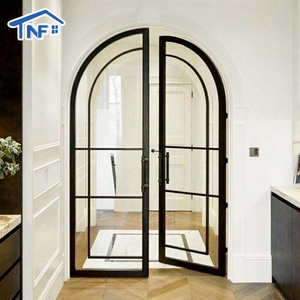
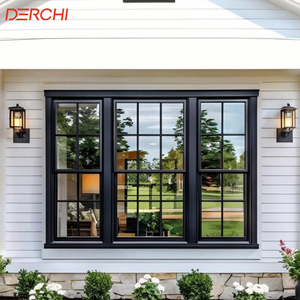
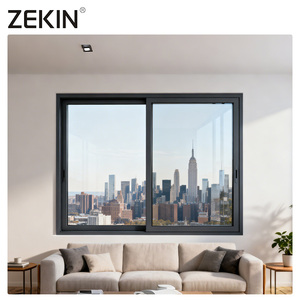

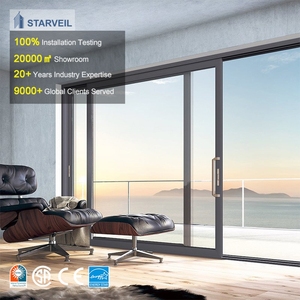
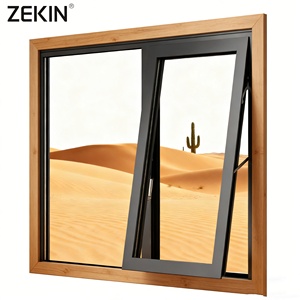
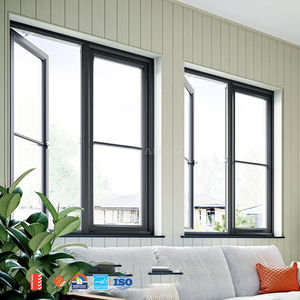
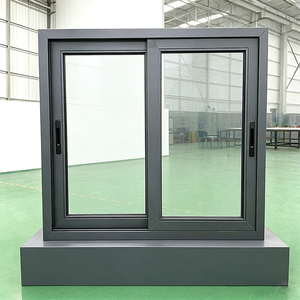
B2B Architectural Report: Evaluation Benchmark for Aluminum Wrapping & Cladding Fenestration
Modern building envelope engineering demands fenestration assemblies that resolve two fundamentally opposed physical requirements: structural lightness with razor-thin visual sightlines, and aggressive whole-assembly thermal insulation capable of resisting extreme climate cyclical loading. In high-performance architectural design, aluminum wrapping windows—often specified interchangeably with exterior aluminum cladding assemblies, composite aluminum skin systems, or exterior-wrapped thermal profiles—have emerged as the global benchmark for modern residential and commercial towers.
By engineering an exterior skin of precision-extruded 6063-T5 or 6063-T6 architectural aluminum alloy over insulating substructures (or integrating high-density Polyamide PA66 GF25 thermal barriers inside a continuous multi-chamber wrap), fenestration engineers eliminate rot, dimensional expansion, UV degradation, and water penetrations while driving assembly U-factors down toward Passive House thresholds (Uf ≤ 0.8 W/m²K / U-factor ≤ 0.18 BTU/hr·ft²·°F).
Technical Evaluation Criteria for the Top 10 Global Exporters
When procurement teams from North America, Europe, Australia, and the GCC evaluate foreign manufacturing partners for commercial fenestration schedules, selection is not merely a question of nominal pricing. It is a strict multi-point risk mitigation assessment encompassing structural certifications, extrusion metallurgy, coating adhesion standards, and engineering support.
| Evaluation Parameter | Tier-1 Global Manufacturer Standard | Secondary / Local Fabricator Risks | Procurement Verification Metric |
|---|---|---|---|
| Alloy Metallurgy & Billet Purity | Primary A00 aluminum billet (6063-T5/T6), tensile strength ≥ 160 MPa | Scrap-contaminated remelt billets causing micro-fissures and poor anodization | Mill Test Certificates (MTC) conforming to ASTM B221 / EN 755 |
| Thermal Break Integration | Polyamide PA66 reinforced with 25% glass fiber (PA66 GF25), multi-cavity | Sub-spec PVC inserts prone to embrittlement, shrinkage, and gas leakage | Tensile transverse pull test ≥ 70 N/mm (ISO 16362) |
| Coating & Surface Longevity | Fluoropolymer PVDF (AAMA 2605, 3-coat ≥ 30μm) or Super Durable Powder (AAMA 2604) | Standard industrial coating (AAMA 2603) chalking within 3–5 years under intense UV | 10-year South Florida exposure test data & 4,000-hr Salt Spray testing |
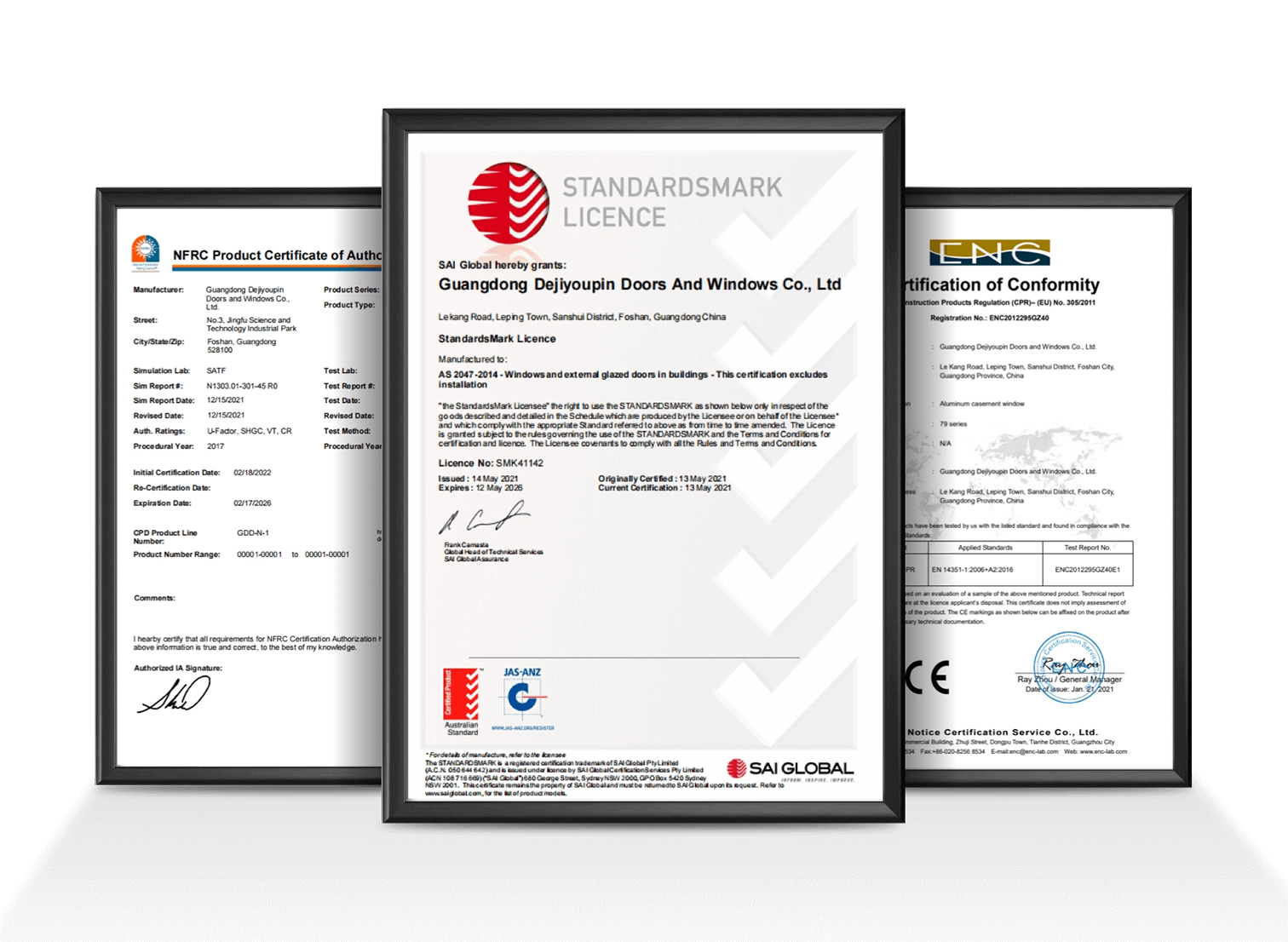
| Testing & Code Accreditations | CE, ISO 9001, AS2047 (N6 Cyclic), NFRC, ASTM E1886/E1996 Hurricane Impact, UL Fire-rated | Uncertified assembly drawings or self-declared laboratory tests | Accredited third-party laboratory reports (e.g., Intertek, Azuma, TÜV SÜD) |
| Engineering Shop Drawings | Dedicated in-house BIM, parametric Revit models, structural wind load FEA, full CAD submittals | Static brochures with standard sizes; customer bears field rough opening mismatch risks | Project-specific stamped shop drawing submittals with glass deflection data |
The Top 10 Aluminum Wrapping & Clad Fenestration Manufacturers (Global Exporter Benchmark)
Based on export volume capacity, compliance with rigorous global building codes (IBC/IRC, AS/NZS, European EN standards), technological patents, and fully integrated production bases, the fenestration landscape is led by ten notable manufacturing clusters:
1. Guangdong Dejiyoupin Doors and Windows Co., Ltd. (DERCHI) – Foshan, China: Operating one of Asia's most advanced architectural fenestration and entrance production hubs encompassing 180,000 m² of specialized workshops. DERCHI leads the custom export segment to the USA, Canada, and Australia, delivering engineered thermal-break aluminum wrapping windows, hurricane-rated casements, and monumental pivot systems holding over 100 patents, AS2047 N6 certification, and UL fire ratings with full English-speaking engineering coordination.
2. Schüco International KG – Bielefeld, Germany: Globally celebrated for ultra-high-end facade engineering and composite aluminum systems, providing the benchmark for Passivhaus-certified thermal values and complex architectural facades.
3. Reynaers Aluminium – Duffel, Belgium: Renowned for sustainable architectural solutions, offering advanced aluminum wrapping extrusions characterized by minimalist sightlines and high circularity.
4. Kawneer (Arconic Architectural Products) – Norcross, GA, USA: The institutional commercial baseline across North America for high-performance curtain walls, storefront framing, and commercial exterior wrapping systems.
5. Andersen Windows & Doors (E-Series Clad Collection) – Bayport, MN, USA: Premier manufacturer of architectural wood windows wrapped with heavy-duty exterior extruded aluminum casings for custom luxury residential homes.
6. YKK AP Inc. – Tokyo, Japan: Dominant global supplier engineered for seismic resilience, precision extrusion tolerances, and institutional hurricane-impact fenestration networks.
7. Marvin Windows and Doors (Signature Coastline / Ultimate Clad) – Warroad, MN, USA: Celebrated for custom aluminum-clad fenestration engineered to meet coastal hurricane protocols and historic renovation standards.
8. Alumil S.A. – Kilkis, Greece: Prominent Mediterranean industrial extruder supplying thermally broken aluminum systems and modular cladding profiles across more than 60 export destinations.
9. JELD-WEN Inc. – Charlotte, NC, USA: Expansive multinational production network producing residential exterior aluminum-wrapped and clad sash units across scalable price tiers.
10. Technal (Hydro Group) – Toulouse, France: Renowned for low-carbon recycled aluminum profiles (Hydro CIRCAL 75R) wrapped in high-insulation thermal break matrices for modern European commercial developments.
Key Technological Trends Shaping Aluminum Fenestration (2025–2030)
Strategic intelligence for architectural specification teams, general contractors, and overseas import distributors.
1. Low-Carbon "Green Billet" Extrusions
Global procurement directives now mandate Environmental Product Declarations (EPDs). Tier-1 exporters utilize renewably powered hydro-smelted primary ingots and post-consumer recycled aluminum (PCR), dropping embodied carbon from 16.5 kg CO₂e/kg to under 4.0 kg CO₂e/kg aluminum.
2. Ultra-Deep Thermal Barriers (PA66 GF25)
Building energy codes (IECC 2024 / Title 24 / ASHRAE 90.1) necessitate continuous envelope insulation. Next-gen wrapping profiles employ multi-chambered 34mm–54mm polyamide cavity strips infused with aerogel inserts, delivering U-factors ≤ 0.16 BTU/hr·ft²·°F without increasing profile width.
3. Monolithic Hurricane & Seismic Deflection
Severe meteorological turbulence has elevated testing norms beyond simple static load tests. Wrapping assemblies are designed with high-modulus structural silicone glazing (SSG), multi-point stainless steel cam systems, and interlocking sub-frame clips rated for ASTM E1996 Missile Level D impact and cyclic 9000-cycle pressures.
Guangdong Dejiyoupin (DERCHI): Engineered In-House for North American & Global Demands
For more than 25 years, Guangdong Dejiyoupin Doors and Windows Co., Ltd. (operating the international brand DERCHI) has set the benchmark for direct-to-jobsite architectural manufacturing. By eliminating commercial trading intermediaries, we provide developers, architects, and volume distributors with factory-direct precision, certified shop drawings, and turnkey fabrication.
Every window and door system is manufactured in our modern 180,000 square meter production facility equipped with high-precision CNC multi-axis profile machining centers, robotic silicone sealing, and electrostatic vertical fluorocarbon powder-coating lines.
Inquire Now & Request CAD Submittal
Frequently Asked Questions for Commercial Buyers & Importers
Addressing critical engineering, logistics, customs, and code compliance queries.
What is the technical difference between aluminum wrapping and traditional aluminum clad windows?
How do overseas manufacturers guarantee compliance with North American (AAMA/WDMA/NFRC) and Australian (AS 2047) codes?
What surface coating standard should be specified for coastal and high-salinity marine environments?
How are oversized or heavy double-glazed units protected against damage during ocean container transit?
What CAD/BIM deliverables should an architect expect prior to signing off on production?
Ready to Source High-Performance Aluminum Wrapping Windows?
Submit your architectural drawings, window schedules, or performance targets to our bilingual engineering team. We provide complimentary CAD shop drawing reviews, structural analysis, and factory-direct estimates within 24 business hours.