180,000 m²
Smart Manufacturing Hub
25+
Years Engineering Heritage
100+
Patents & Global Certs
600+
Master Craftsmen & Engineers
Product Portfolio
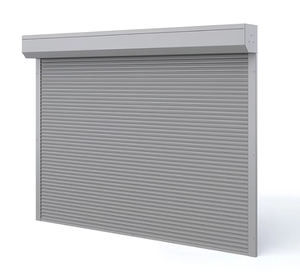
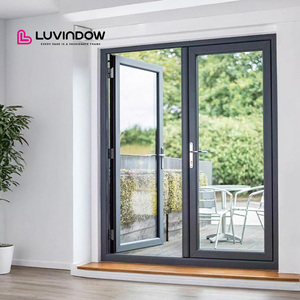
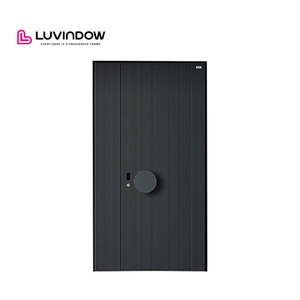
High-Performance Exterior Systems & Engineered Doors
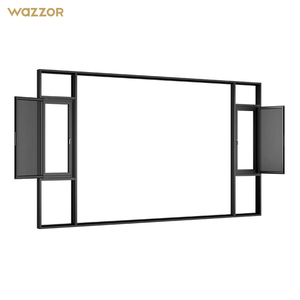
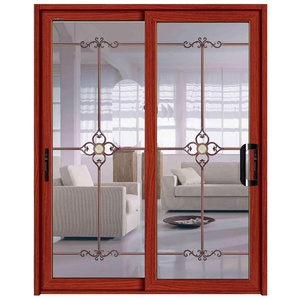
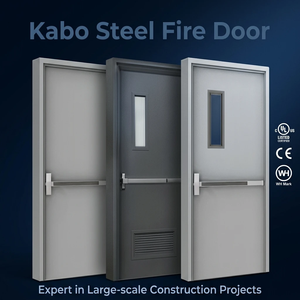
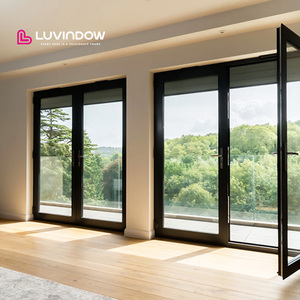
Explore our export-certified architectural entry systems, exterior sliding assemblies, and certified specialty doors built to comply with international fenestration standards.
Enterprise Core Competence
Why International Developers & Architects Partner with Us
Operating a modernized 180,000-square-meter production compound in Foshan, Guangdong Dejiyoupin Doors and Windows Co., Ltd. (DERCHI) stands among the top architectural fenestration manufacturers in China.
One-Stop Architectural Envelope
We eliminate subcontractor fragmentation by engineering luxury entrance doors, large-format pivot doors, thermal-break exterior sliders, and commercial steel assemblies from a single source, consolidating crating and customs processing.
Verified Global Compliance
Our products comply with high-velocity wind-load standards including AS 2047 N6 (the highest cyclonic pressure rating), CE, ISO 9001, and genuine UL Fire-Rated certifications for commercial entrances.
North American Engineering Sync
Bilingual architectural project managers synchronize on EST and PST time zones. We convert project rough openings, imperial schedules, and elevation blueprints into validated CAD production shop drawings within 48 hours.
Severe-Environment Engineering
Specially engineered for aggressive coastal humidity, high UV, and extreme freeze-thaw cycles. We utilize 6063-T6 virgin aluminum alloys, marine-grade fluorocarbon (PVDF) powder coats, and advanced thermal isolators.
Architectural Specifier’s Technical Briefing
When engineering high-volume outdoor aluminum entrance assemblies, structural deflection limits, air infiltration rates, and heat transmittance dictate field longevity. Our precision-milled multi-chamber aluminum profiles incorporate multi-point hardware tracks that distribute wind-load stresses evenly along the jamb perimeter.
- Thermal Isolation: Integrated Technoform® polyamide PA66 nylon thermal break strips significantly reducing frame U-values to meet low-E architectural requirements.
- Glazing Assemblies: Double and triple-glazed tempered, argon-gas-filled laminated options engineered for maximum acoustic dampening (STC up to 45 dB) and hurricane impact resistance.
- Precision Surface Engineering: Qualicoat-certified architectural powder coating and AAMA 2605 fluoropolymer coatings engineered to resist up to 3,000 hours of continuous salt-spray testing.
Factory Quick Specs
Alloy: Extruded 6063-T5 / T6 Aluminum
Wall Thickness: 2.0mm – 3.5mm Commercial Profile
Hardware: German Siegenia, Hoppe, or Custom Smart-Access
Packaging: Multi-layer PE foam + Honeycomb Board + Solid Plywood Crate
Industry White Paper Analysis
Future Procurement Trends in Exterior Aluminum Fenestration
Data-driven insights for procurement officers, real estate developers, and architectural specifiers managing global building portfolios from 2025 to 2030.
1. Decarbonization & Circular Supply Chains
Global architectural standards (LEED v4.1, BREEAM) are prioritizing low-carbon building envelopes. Future procurement requires manufacturers to supply Certified Environmental Product Declarations (EPDs). Forward-thinking Chinese extruders utilize hydroelectric-smelted low-carbon primary billets and closed-loop scrap recycling, reducing embodied carbon by up to 45% per square meter of finished exterior framework.
2. Climate-Resilient Impact Resistance
Extreme meteorological volatility is transforming building codes worldwide. In regions prone to tropical storms and cyclonic winds—from the American Atlantic seaboard to coastal Southeast Asia and Oceania—procurement is transitioning rapidly from standard architectural swing doors to monolithic structural glazed and thermally insulated systems certified against projectile impacts (ASTM E1886/E1996 and AS 2047 cyclic testing).
3. Architectural IoT & Concealed Automation
Outdoor doors are transitioning from static barriers into interconnected building access hubs. The modern luxury residential and high-traffic hospitality sectors demand fully concealed pivot hinges with built-in electronic closers, motorized multipoint lock assemblies, and seamless integration with smart home automation platforms (Zigbee, Matter, KNX) while preserving clean, ultra-narrow visible sightlines.
Technology Evolution
The Engineering Evolution of Aluminum Outdoor Systems
How advancements in metallurgy, CNC multi-axis milling, and surface chemical deposition have redefined door manufacturing over three decades.
From Basic Extrusions to Isothermal Thermal Barriers
First-generation outdoor aluminum doors suffered from severe thermal bridging, causing interior condensation and high energy losses. The industry’s shift toward multi-chambered profiles filled with high-density polyurethane insulation foams and structural polyamides now delivers overall fenestration U-factors below 0.28 BTU/hr·ft²·°F (1.6 W/m²K), matching rigorous European Passive House benchmarks.
From Manual Assemblies to 5-Axis Robotic Machining
Early manufacturing relied heavily on manual punching and miter saw cuts, creating tolerance discrepancies at the joints. DERCHI leverages advanced 5-axis CNC machining centers that perform all extrusion operations—lock mortising, hinge recesses, and drainage slots—in a single setup, holding critical structural tolerances within ±0.2 mm.
Cast Armor & Advanced Surface Science
Modern outdoor architecture requires both expressive aesthetics and permanent structural defense. Integrating precision sand-cast aluminum relief panels with heavy structural alloy cores creates doors impervious to moisture, biological decay, and warping. Advanced fluorocarbon PVDF finishes ensure fade-resistant color longevity even under intense solar radiation.
Procurement FAQ
Frequently Asked Questions by Overseas Buyers & Importers
Essential guidance on international freight, code compliance, custom fabrication, and structural engineering.
How does DERCHI ensure structural compliance with local building codes in the US, Canada, and Australia?
Our engineering team reviews project specifications against local statutory requirements prior to cutting metal. We hold genuine testing documentation for AS 2047 (reaching cyclonic N6 pressure thresholds), CE compliance for the European Union, ISO 9001 quality factory control, and certified UL fire-rated standards. For North American projects requiring specific NFRC U-values, SHGC figures, or Florida Building Code wind-load calculations, we collaborate directly with your project architects to supply verified calculations and test certificates.
Can you manufacture outdoor doors based strictly on our custom architectural CAD / BIM drawings?
Yes, custom bespoke manufacturing constitutes the majority of our export volume. You can submit your architectural door schedules, CAD plans, or rough opening elevations in either metric or imperial units. Our in-house technical department generates free, fully dimensioned CAD shop drawings illustrating frame profiles, glass build-ups, anchoring details, and sill thresholds for your formal engineering approval before production starts.
How are large glass and aluminum doors packed to eliminate damage during ocean transit?
We employ an industrial-grade, multi-stage export packaging protocol. Every frame and sash is wrapped in protective scratch-proof PE film, corners are secured with heavy-duty impact buffers, and assemblies are protected in high-density honeycomb paperboard. The entire unit is then secured inside fumigation-free, fully enclosed solid plywood crates with integrated lifting skids, engineered to withstand container motion, multi-port handling, and humidity shifts.
What is the standard production lead time and typical ocean freight arrangement?
Typical manufacturing lead times range from 25 to 35 calendar days following final shop drawing and finish sign-off. We operate with full flexibility under FOB, CIF, CFR, or DDP (Delivered Duty Paid) shipping terms. Our dedicated logistics team prepares complete export commercial dossiers—including commercial invoices, packing lists, certificates of origin, bill of lading, and fumigation declarations—ensuring seamless customs clearance at destination ports.
Which aluminum alloy and surface finishes do you recommend for seaside or tropical installations?
For projects located within 5 kilometers of open marine coastlines or subjected to severe tropical humidity, we specify structural 6063-T6 virgin aluminum alloy treated with Qualicoat Class 2 or AAMA 2605-compliant PVDF (fluorocarbon) three-coat finishes. These systems deliver outstanding protection against airborne chlorides, chemical etching, and ultraviolet pigment chalking, backed by comprehensive manufacturer surface warranties.
Can I perform third-party or virtual quality inspections prior to final dispatch?
We maintain an open-door verification policy. Overseas clients can inspect our complete 180,000 m² manufacturing plant via our interactive 360-degree online Factory VR tour at any time. We also routinely accommodate global inspection agencies (such as SGS, TÜV, or client-appointed inspectors) during pre-assembly and pre-crating milestones, along with comprehensive high-definition video dispatch reports.
Ready to Engineer Your Next Architectural Façade?
Connect directly with our senior fenestration engineering specialists. Submit your window and door schedules, architectural elevations, or project inquiries to receive accurate factory pricing and engineered shop drawings.