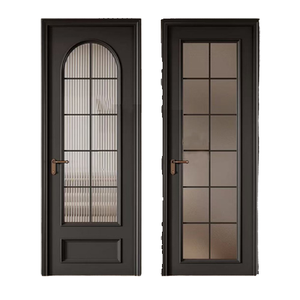
Factory Engineered Portfolio
High-Performance Aluminum Doors & Specialty Architectural Fenestration
Engineered to withstand cyclic fatigue, extreme weather variations, and demanding acoustic ratings. Browse our core export door systems.
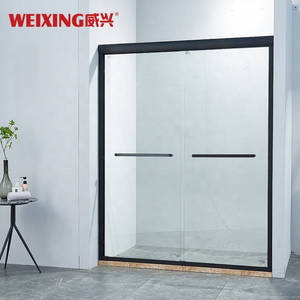
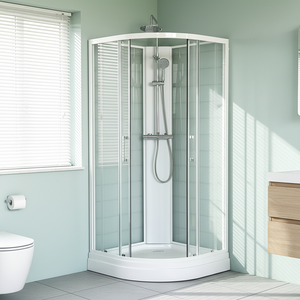
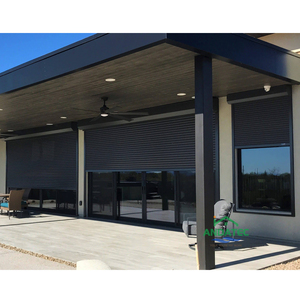

Procurement Technical Guide
Engineering Standards for Sourcing White Aluminum Doors from China
In-depth technical parameters, powder-coat resilience, thermal bridging mitigation, and structural certifications for institutional buyers.
For international architectural contractors, commercial builders, and supply distributors in the United States, Canada, and Australia, specifying white aluminum doors involves substantially more than aesthetic color selection. White surfaces present unique manufacturing challenges: surface reflectivity, potential ultraviolet chalking, thermal deflection caused by external heat-gain differentials, and visual discoloration if non-stabilized resin chemistries are employed. When engineering white aluminum profiles for both exterior entrances and interior spaces, China's Tier-1 industrial manufacturers deploy specialized 6063-T5 or 6063-T6 grade extrusions with specialized multi-stage pretreatment and advanced fluoropolymer coatings.
To eliminate the historical problem of finish degrading under strong UV solar radiation, top China fabricators utilize electrostatic fluorocarbon PVDF (polyvinylidene fluoride) liquid coatings or super-durable thermosetting architectural powder coatings certified under AAMA 2604 or AAMA 2605 specifications. These chemistries ensure that brilliant white tones (such as RAL 9010 pure white, RAL 9016 traffic white, or custom architectural warm whites) maintain their delta-E color consistency within strict thresholds for over 20 to 30 years without blistering, cracking, or turning yellow. This baseline performance provides the structural durability demanded by hospitality developers and custom luxury residences.
Polyamide Thermal Barriers
Equipped with PA66-GF25 glass fiber reinforced polyamide thermal break strips, our profiles eliminate thermal bridges, dropping U-values below 1.4 W/m²K to pass harsh cold-climate envelope tests in Canada and Northern US states.
AS 2047 & NFRC Fenestration
Every profile undergoes cyclonic structural simulation, structural deflection testing, air infiltration checks, and cyclic water penetration evaluations up to Australian AS 2047 N6 and American NFRC specifications.
Custom Structural Fabrication
Full customization covering flush internal sills, concealed overhead pivots, acoustic laminated insulated glazing units (IGUs), multipoint security locking hardware, and automated smart access integration.
Enterprise Manufacturing Competence
Guangdong Dejiyoupin Doors and Windows Co., Ltd. (DERCHI)
Operating out of a modern 180,000 square meter intelligent fabrication base in Foshan, Guangdong, DERCHI combines 25+ years of specialized fenestration manufacturing with global engineering distribution. Holding over 100 international certificates and registered patents, we function as the direct Tier-1 production pipeline for custom builders, commercial general contractors, and door distributors worldwide.
- Direct Factory-to-Jobsite Supply: Transparent pricing, zero middleman markups, and end-to-end trace documentation.
- Free Pre-Production CAD Submittals: Comprehensive shop drawings and profile cutaway sections customized to your architectural schedule.
- Rigorous Testing Baseline: CE, ISO 9001, AS 2047 N6, and UL Fire-Rated compliance documentation standard.
- Dedicated Time-Zone Engineering: Native technical support aligned with North American EST–PST work hours.

Strategic Outlook
Emerging Trends in Global Aluminum Door Procurement (2025–2030)
How stringent energy codes, carbon footprints, and smart automation are shaping modern architectural orders.
As the international construction sector accelerates toward carbon-neutral footprints and tighter building envelope codes, the procurement of aluminum architectural systems is undergoing structural changes. Architects and developers are no longer evaluating systems purely on upfront extrusion pricing; lifecycle operational efficiency, recycled billet content, and integrated access technologies now dominate tender specifications.
1. Ultra-Low U-Value Thermally Broken Systems: The global transition to Net-Zero Energy Buildings (NZEB) and updated ASHRAE 90.1 energy guidelines in North America requires exterior door systems to achieve overall U-factors of 0.28 BTU/(h·ft²·°F) or lower. Procurement trends show a decisive shift toward triple-glazed, argon-filled IGUs paired with warm-edge spacers and multi-cavity thermal break bars inside the aluminum extrusion cavity.
2. Structural Minimalism with Heavy-Duty Capacity: Modern interior and exterior aesthetics prioritize ultra-narrow sightlines without sacrificing system structural rigidity. Top Chinese manufacturers have pioneered ultra-slim aluminum framing profiles engineered with thickened internal web designs capable of supporting moving sash weights up to 450 kg (1,000 lbs). This allows architects to specify monumental glass pivot entrances and multi-panel motorized white sliding systems up to 4 meters high.
3. Advanced Antibacterial and Super-Hydrophobic Coatings: Post-pandemic commercial and high-density residential developments increasingly mandate functional surface properties. Innovations in polyurethane and fluorocarbon white coatings now incorporate antimicrobial silver ions and super-hydrophobic self-cleaning additives, significantly reducing maintenance schedules for high-traffic hotel entrances, healthcare facilities, and luxury high-rise developments.
Smart IoT Automation
Complete integration with concealed motorized mechanisms, biometric access control, magnetic solenoid locks, and building automation protocols (BACnet, KNX).
Circular Recycled Billets
Supply chain options supporting up to 75% post-consumer recycled aluminum billets to earn LEED and BREEAM sustainability credits for landmark projects.
Prefabricated Modular Units
Factory-preassembled sub-frames with integrated waterproofing membranes and pre-routed hardware pockets, saving up to 40% on-site labor installation time.
Procurement Insights
Frequently Asked Questions on Importing Chinese Aluminum Doors
Transparent answers to technical compliance, logistics protection, lead times, and engineering workflows.
How do you protect white aluminum finishes from yellowing or chalking under extreme UV radiation?
We use certified architectural powder coatings that meet AAMA 2604 and AAMA 2605 guidelines (such as AkzoNobel Interpon D2000 or PPG Duranar fluoropolymer formulations). Prior to coating, aluminum profiles undergo automated 14-stage chromate-free chemical pretreatments to guarantee optimal adhesion. This ensures the white surface resists chalking, salt spray corrosion, and color deviation (Delta E < 2.0) even in harsh coastal environments like Florida, California, or Australia.
Can DERCHI manufacture doors that conform directly to American and Canadian rough opening schedules?
Yes. We routinely work from imperial architectural dimensions (inches and feet) and detailed door schedules provided by general contractors and architects. Our in-house engineering team converts rough openings into shop drawings with exact shim spaces, sill pan flashings, and drywall return grooves. Production begins only after you approve the final CAD shop drawings.
What structural certifications do your exterior doors hold for North American building inspections?
Our fenestration assemblies are certified under ISO 9001 quality systems and tested according to CE standards, Australian AS 2047 (reaching the highest N6 structural wind pressure class), and UL Fire-Rated classifications for specialty commercial pivot assemblies. We provide full engineering test reports, structural glass calculations, and thermal modeling to ensure smooth review by local municipal building inspectors.
How do you prevent transit damage, water intrusion, or frame warping during ocean freight?
Every door frame and sash is individually wrapped in protective PE film, buffered with heavy-density pearl cotton corner guards, and enclosed in fully sealed IPPC-compliant fumigation-free wooden crates. Moisture-absorbing silica desiccants are placed inside each crate to prevent condensation during ocean transit, ensuring materials arrive on-site clean, square, and ready to install.
What are standard manufacturing and delivery lead times for custom institutional projects?
Upon final sign-off of CAD drawings and finish approval, typical manufacturing lead time is 25 to 35 calendar days depending on glass unit complexity and custom hardware requirements. Ocean freight to West Coast North American ports (e.g., Los Angeles, Vancouver) takes roughly 15 to 20 days, while East Coast ports require approximately 28 to 35 days. We coordinate door-to-door or door-to-port documentation through experienced freight forwarders.
Ready to Engineer Your Architectural Door Package?
Submit your door schedules, CAD plans, or project specifications. Our bilingual facade engineers are ready to provide technical review, custom glass sizing, and factory-direct commercial estimates.
Get Catalog