Impact Rated
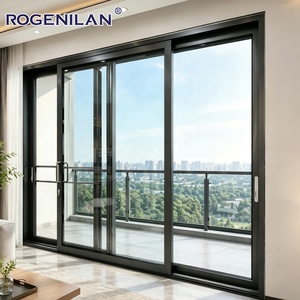
Rogenilan Hurricane-Proof Aluminium Sliding Doors & Windows
- Wind Pressure: Up to AS 2047 N6 Standards
- Multi-point mechanical interlocking system
- Heavy-duty precision stainless rollers
In modern high-performance fenestration, wood finish aluminium windows represent the pinnacle of aesthetic warmth married with structural resilience. By combining advanced vacuum-suction heat-transfer wood sublimation technologies with high-tensile 6063-T5/T6 alloy substrates, Chinese manufacturers have eliminated the seasonal decay, insect infestation, rot, and high thermal transmittance historically inherent to pure timber joinery. This guide dissects technical specifications, manufacturing topologies, procurement vectors, and long-term asset economics.
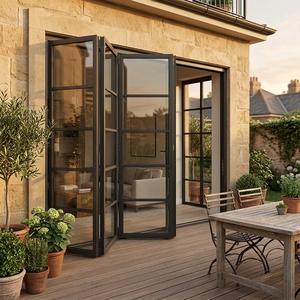
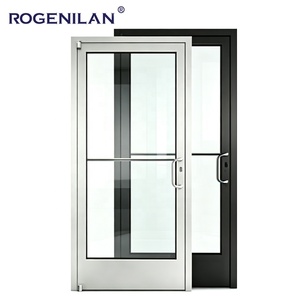
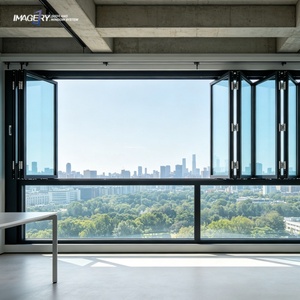
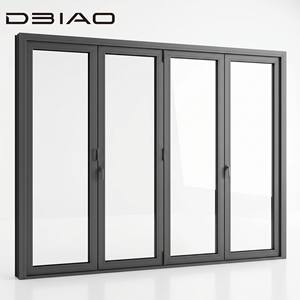
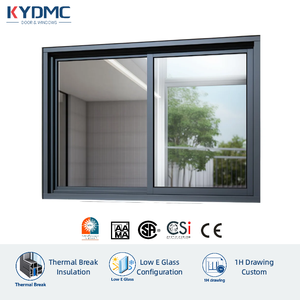
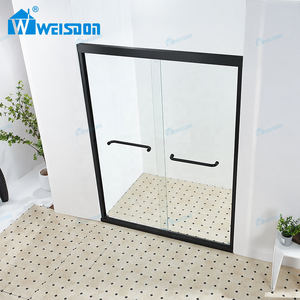
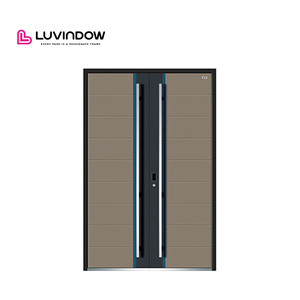
Architects and structural engineers specify wood-look aluminium to achieve the biophilic aesthetic of authentic oak, walnut, or teak without incurring lifecycle warping, moisture delamination, and fire susceptibility. Below is an empirical comparison matrix.
| Evaluation Parameter | Fluorocarbon Wood Grain Aluminium | Solid Natural Timber | uPVC / Vinyl Wood Foil |
|---|---|---|---|
| Structural Tensile Strength | High (≥205 MPa) - Engineered 6063-T5/T6 alloy | Moderate (30-60 MPa) - Grain anisotropic | Low (35-50 MPa) - Requires internal steel bar |
| Dimensional Stability | Zero Expansion under 100% relative humidity | Expands/shrinks up to 8% seasonally; binding risk | High thermal expansion coefficient; prone to sag |
| UV & Weathering Longevity | 20-30 Years Qualicoat Class 2 heat transfer | Requires regular re-staining every 24-36 months | Foil peeling, chalking, and discoloration under UV |
| Fire Integrity Rating | Class A1 Non-combustible profile core | Combustible (Class C/D unless chemical-impregnated) | Self-extinguishing but releases toxic hydrogen chloride |
| Thermal Performance (U-Factor) | Uf 1.1 - 1.8 W/m²K (With PA66 GF25 thermal breaks) | Uf 1.3 - 2.0 W/m²K (Natural insulator) | Uf 1.4 - 2.2 W/m²K (Multi-chamber air cavities) |
Operating from Shishan Town, Nanhai District, Foshan—the global epicenter of high-end architectural aluminium fabrication—our facility integrates end-to-end casting, extrusion, surface finishing, CNC machining, and automated glazing lines.
Full conformance to AS 2047, CE, ISO 9001, and UL fire classifications. Complete laboratory documentation and wind structural calculations provided for regional authority code approval.
From primary smelting and profile extrusion to 3D vacuum grain sublimation and sealed unit double-glazing, total vertical control prevents quality slippage and intermediate supply markups.
Every commercial quote includes complimentary shop drawings, thermal simulation reports, rough opening tolerances, structural anchor schedules, and full metric/imperial schedules.
Solid heat-treated non-fumigation timber crates with desiccant chambers protect fenestration units across deep-sea voyages to the US, Canada, Australia, and the Middle East.
The global window market is undergoing radical shifts triggered by stringent building carbon mandates and aesthetic shifts towards hyper-natural living spaces. Discover where the technology is heading.
Standard aluminum framing is being completely replaced by polyamides engineered with 25% chopped glass fiber (PA66 GF25) measuring 24mm to 34mm in depth. This eliminates thermal bridging in high-latitude regions such as Canada and the Northern US.
Traditional flat heat-transfer vinyl films are giving way to powder-on-powder tactile sublimation. These 3D textured coatings emulate the physical pore grain of natural teak, walnut, and smoked oak while passing 10-year Florida UV exposure tests without chalking.
Commercial developers and high-end residential builders are circumventing traditional tiered distribution. Sourcing directly from certified Chinese tier-1 manufacturers unlocks custom extrusion dies, hardware personalization, and 35-50% overall cost savings.
Key technical criteria reviewed by procurement directors, façade consultants, and builders when evaluating custom fenestration imports from China.
Submit your window schedules, architectural elevations, or project BOQ. Our engineering team will return comprehensive shop drawings, U-factor thermal models, and delivered FOB/CIF pricing within 24–48 hours.