Engineered Solutions
Featured Architectural Systems & Pocket Door Assemblies
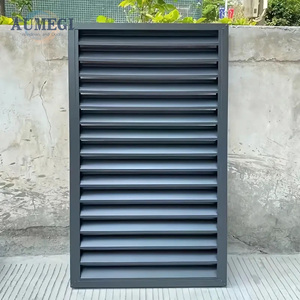
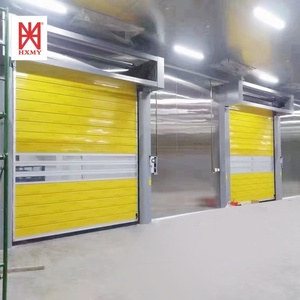
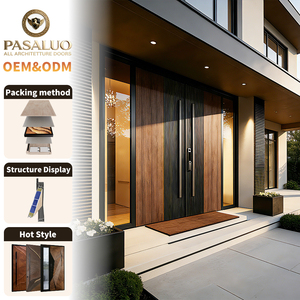
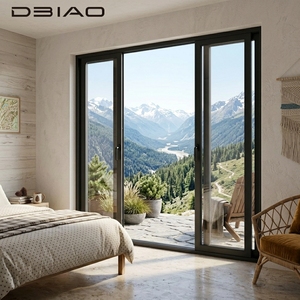
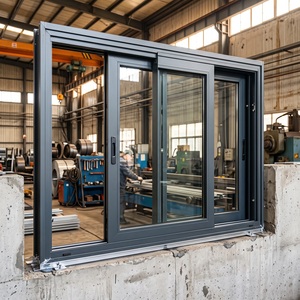
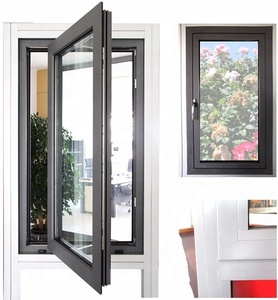
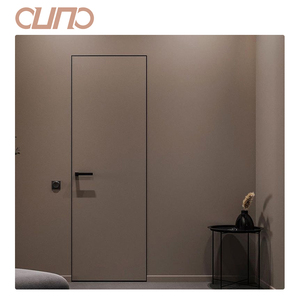
Discover our industrial-grade aluminum assemblies—spanning heavy-duty multi-panel concealed cavity sliding tracks, acoustic residential interior doors, and certified hurricane-impact casements crafted to international building codes.
Industrial Insight
State of the Industry: Future Trends in Aluminum Pocket Doors
Modern spatial architecture demands invisible hardware, flawless acoustic damping, and sustainable structural thermal breaks. Discover how next-generation concealed door systems are evolving to meet rigorous global standards.
Concealed Zero-Clearance Tracks
The movement toward seamless minimalist aesthetics has rendered surface-mounted rails obsolete. Next-generation systems feature flush-recessed extruded ceiling channels with dual-action soft-close dampening cartridges tested up to 150,000 continuous cycles, allowing continuous floor finishes across adjacent rooms without tripping thresholds.
Acoustic Honeycomb & Drop Seals
Traditional pocket doors historically suffered from acoustic and draft leakage within the wall cavity. High-spec projects now mandate internal aluminum honeycomb reinforcement cores combined with mechanical automatic perimeter drop seals, successfully delivering sound insulation benchmarks exceeding STC 36 for luxury suites and meeting zones.
Polyamide Thermal Barriers
For pocket doors transitioning between conditioned interiors and open patios, multi-chamber polyamide (PA66) thermal breaks eliminate thermal bridging. Paired with Low-E gas-filled insulated glazing, these pocket assemblies comply with stringent North American IECC and European energy directives without condensation build-up.
| Engineering Parameter | Standard Residential Grade | DERCHI Heavy Commercial Spec | International Code Compliance |
|---|---|---|---|
| Extrusion Alloy & Temper | 6063-T5 (Wall thickness 1.2–1.4mm) | Primary 6063-T6 (Wall thickness 2.0–3.0mm) | ASTM B221 / EN 755-9 |
| Cavity Track Hardware Capacity | Up to 80 kg per panel | Up to 250 kg per oversized leaf | ANSI/BHMA A156.14 Grade 1 |
| Acoustic Attenuation (STC) | STC 20 – 24 (Air gap leakage) | STC 34 – 38 (With acoustic drop seals) | ASTM E90 / ISO 10140 |
| Finish Durability (Anodized/PVDF) | Standard 10–15 Micron Anodizing | 3-Coat PVDF (Fluorocarbon) >30 Microns | AAMA 2605 / Qualicoat Class 2 |
Enterprise Authority
Guangdong Dejiyoupin: Over 25 Years of Fenestration Leadership
Headquartered in the global aluminum hub of Foshan, Guangdong, our industrial infrastructure spans comprehensive profile casting, precision CNC machining, certified glass lamination, and automated assembly.
180,000
Square Meters Plant Scale
600+
Specialized Technicians
100+
Patents & Global Certs
AS 2047
N6 Highest Cyclone Standard

Rigorous QA/QC from Billet to Ocean Crate
Exporting precision architectural doors requires zero tolerance for thermal dimensional movement or out-of-square pocket framing. Our facility integrates laser-guided robotic milling centers to ensure precise miter cuts, corner crimping, and cavity alignment.
Every export unit is pre-assembled in our staging facility, cycle-tested, and verified against the client's shop drawings before crating into heavy-duty fumigated wooden crates tailored for breakbulk and containerized ocean shipping.
Send an Inquiry
Strategic Sourcing
B2B Procurement Trends: Minimizing Risk in Custom Door Sourcing
Navigating overseas architectural manufacturing requires an understanding of cross-border supply chain dynamics. Here is how international engineering and procurement teams optimize door schedules.
Complete CAD Shop Submittals
Professional procurement teams no longer rely on nominal cut-out dimensions. Modern sourcing protocols require factory-certified shop submittal drawings detailing wall thickness, split-stud profiles, jamb integration, and header deflection calculations before steel framing is deployed on site.
Testing Verification & Mockups
For mid-to-large multi-family and commercial hotel developments, international developers require complete physical mock-up units (PMUs). Verifying air infiltration, water penetration resistance, and continuous hardware cycling prior to mass-run extrusion cuts reduces site modification liability.
Consolidated Container Logistics
Leading buyers aggregate door procurement across pocket assemblies, front pivot entrances, and curtain wall elements into single factory orders. Consolidating full containers (FCL) directly from Foshan drastically mitigates transshipment risks, controls drayage expenses, and harmonizes project lead times.
Knowledge Base
Frequently Asked Technical & Procurement Questions
Clear, definitive answers to help architectural consultants, quantity surveyors, and project developers specify and import aluminum pocket door systems seamlessly.
What structural advantages do aluminum pocket door frames hold over timber split-studs?
Timber pocket frames are prone to warping, twisting, and bowing when exposed to environmental humidity fluctuations inside the wall cavity, leading to panel binding and scuffing. Our extruded 6063-T6 aluminum pocket frames are structurally engineered for superior rigidity, remaining plumb and true over decades of operation. This eliminates internal wall cracking and ensures maintenance-free alignment for oversized floor-to-ceiling panels.
Can the pocket door track be serviced or replaced after drywall installation?
Yes. Our heavy-duty architectural tracks feature an engineered demountable design. The running trolleys, soft-close dampers, and interior track rails can be inspected, serviced, or fully replaced through the door opening without needing to demolish the finished drywall or disrupt adjacent wall finishes.
How do your export systems ensure code compliance for international jurisdictions?
Our manufacturing operates under certified ISO 9001 frameworks with products independently validated to CE, North American NFRC/UL standards, and Australia AS 2047 (achieving the highest N6 design level). We coordinate engineering test reports, structural calculations, and glass safety documentation to facilitate approval by local building officials and plan checkers.
What are the standard lead times for custom-engineered pocket assemblies?
CAD shop drawings are completed within 3 to 5 business days upon receipt of the architectural door schedule. Following drawing sign-off, extrusion milling and fabrication require approximately 25 to 35 calendar days depending on custom surface treatment (such as custom RAL fluorocarbon powder coats or high-micron woodgrain transfers). Ocean transit ranges from 14 to 28 days depending on the destination port.
What export packaging standards are applied to protect products during transit?
All door components are wrapped in protective polyethylene scratch films, padded with shock-absorbing corner blocks, vacuum-sealed with desiccants against marine humidity, and packed into fully enclosed non-coniferous fumigated plywood crates. Crates feature reinforced base skids designed for safe crane lifting and forklift handling at destination staging yards.
Direct Engineering Consultation
Initiate Your Custom Door Schedule Review
Connect with our structural sales engineers. Send us your rough opening dimensions, door schedules, or architectural elevations for prompt technical analysis and factory pricing.