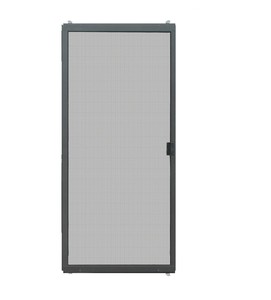
New Anti Air Aluminum Alloy Black White Fiberglass Sliding Screen Doors
Acoustic sealing perimeter gasket, high-tensile fiberglass mesh, 6063-T5 powder-coated aluminium tracks.
Product Details
High-durability fenestration solutions combining 6063-T5 aluminium structural profiles with advanced woven fiberglass mesh and composite paneling for residential, commercial, and hospitality applications.
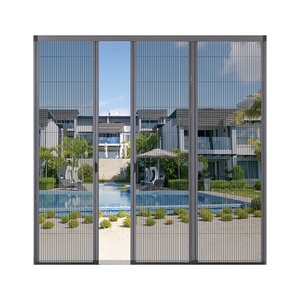
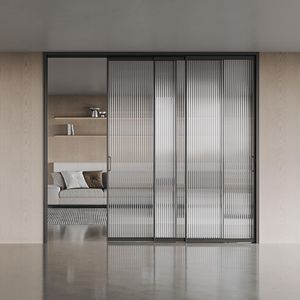
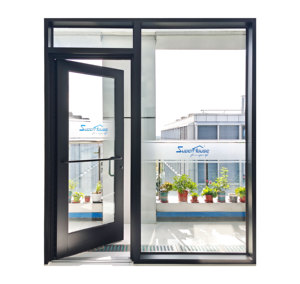
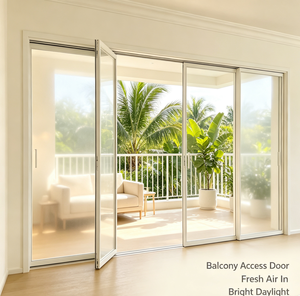
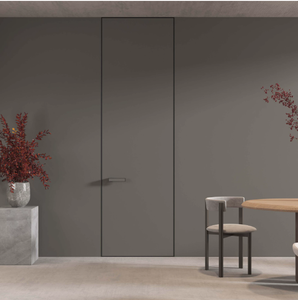
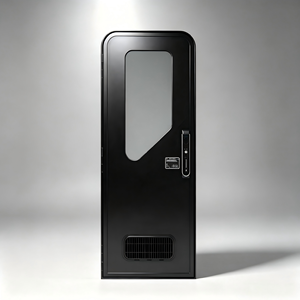
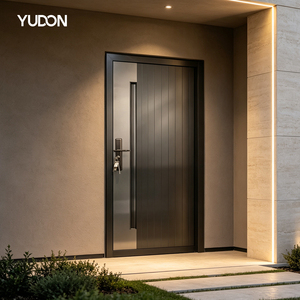
In modern industrial fenestration and building envelope engineering, sourcing high-efficiency entrance and screening systems has shifted toward hybrid material science. The fusion of extruded 6063-T5 aluminium alloy structural framing with high-polymer fiberglass mesh and composite fibre panels addresses critical physical challenges: galvanic corrosion, thermal bridging, dimensional stability, and cyclonic wind shear forces.
Commercial and high-end residential projects often compromise between structural stiffness (historically delivered by steel or hollow aluminium) and lifecycle thermal efficiency. Aluminium fibre composite systems optimize both parameters. By deploying precision-engineered thermal insulation polyamide bars (PA66GF25) paired with coated vinyl fiberglass composite mesh, these assemblies maintain an extremely low coefficient of thermal expansion, preventing warping and frame binding across broad operating temperature ranges (-40°C to +85°C).

Procurement directors and façade engineers rely on empirical data to confirm building code conformity. The comparative analysis below outlines the mechanical and environmental tolerances across standard construction profiles:
| Engineering Property | Aluminium-Fiberglass Hybrid | Standard Hollow Aluminium | Structural Steel Assemblies | PVC / UPVC Core Profiles |
|---|---|---|---|---|
| Tensile Strength (MPa) | 215 – 260 MPa | 160 – 205 MPa | 350 – 550 MPa | 40 – 55 MPa |
| Thermal Conductivity (U-Value) | 1.4 – 1.9 W/(m²·K) | 3.2 – 5.8 W/(m²·K) | 15.0 – 50.0 W/(m²·K) | 1.6 – 2.2 W/(m²·K) |
| Salt Fog Anti-Corrosion (ASTM B117) | 3,000+ Hours Qualified | 1,000 – 1,500 Hours | 500 Hours (Prone to Pit Oxidation) | Resistant, but UV embrittlement |
| Cyclonic Wind Load Resistance | AS 2047 N6 Compliant (Up to 4500 Pa) | N3 to N4 Typical | Extreme Structural Capacity | Low (Prone to Frame Deflection) |
| Dimensional Creep & Warpage | Virtually Nil (< 0.05%) | Minimal Expansion | Low expansion, joint fatigue | High Linear Thermal Expansion |
Based on global project procurement data across North American, European, and Australian building standards, four macroeconomic and technological shifts are reshaping entry and screening specifications:
General contractors increasingly source fully assembled, factory-glazed cassette units over knock-down kits. This practice mitigates expensive jobsite labor and eliminates on-site alignment defects.
Driven by coastal hurricanes and extreme continental cold fronts, requirements now mandate AS 2047 N6 wind resistance alongside high water tightness ratings (exceeding 450 Pa differential pressure).
Architects specify seamless integration between structural leaf mechanical locks and low-voltage access systems (biometric, RFID, automated drop-seals) directly incorporated during extrusion machining.
The manufacturing paradigm has transitioned from traditional manual cutting and mechanical screw-corner assembly to 5-axis CNC machining, structural corner crimping with two-component polyurethane adhesives, and automated electrostatic powder coating. In our manufacturing lines, extrusion tolerances are held to ±0.2mm.
Furthermore, fiberglass netting and composite panels are processed using automated tension-controlled rolling machines. Unlike older synthetic mesh types that stretch, sag, or degrade under direct solar UV rays, modern vinyl-coated high-silica fiberglass woven mesh maintains uniform surface tension across panels up to 3.5 meters high, delivering clean, minimal sightlines for luxury architecture.
Operating a modernized 180,000 square meter industrial base with more than 600 experienced engineering professionals, DERCHI has engineered and supplied architectural entry doors, sliding systems, and security screen assemblies for over 25 years. As a proven Top 10 door and window brand, our manufacturing facilities adhere strictly to ISO 9001 quality management standards.
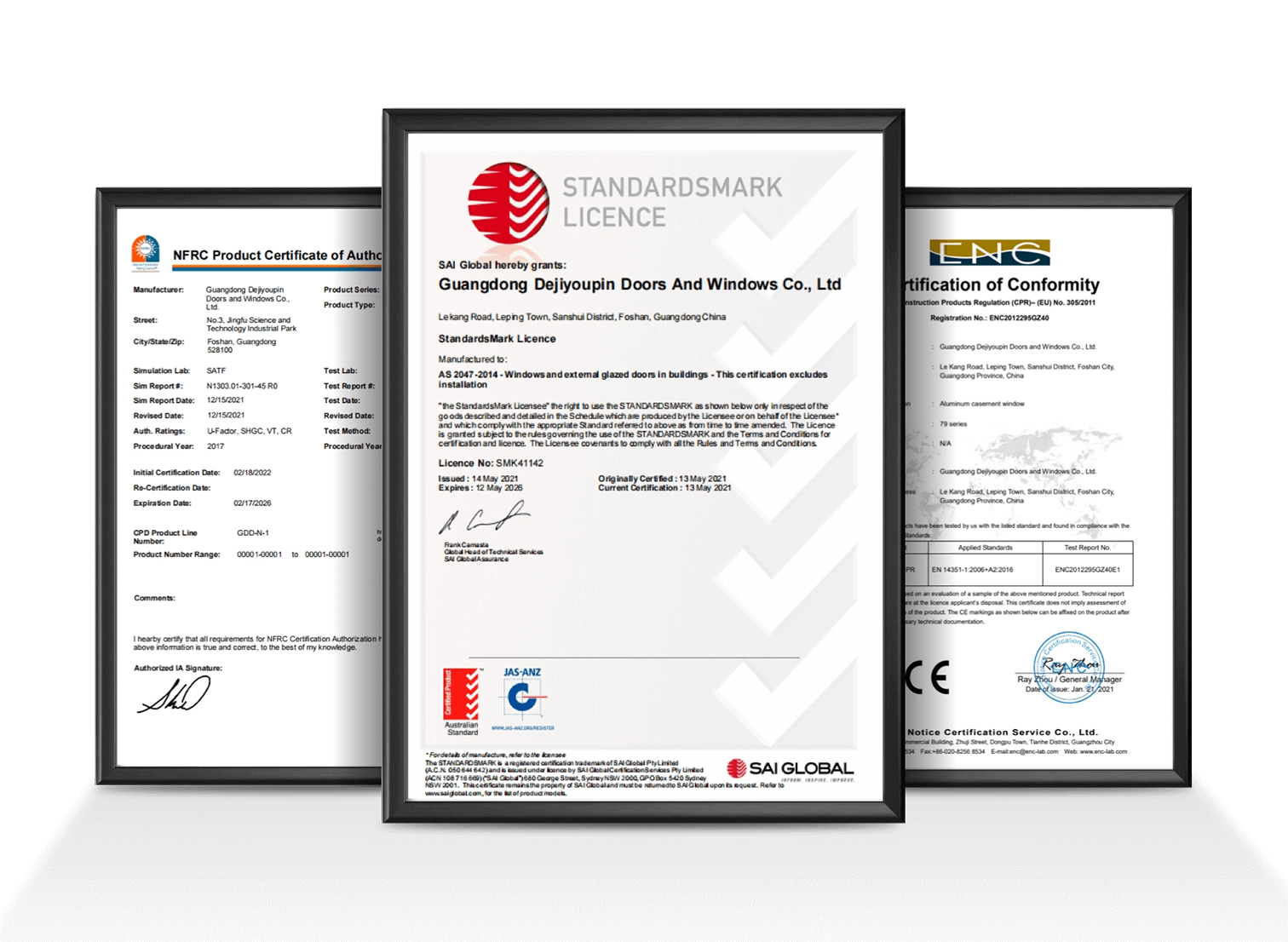
Our export track record spans major projects in the United States, Canada, Australia, the Philippines, and the United Arab Emirates. Products hold comprehensive CE, AS 2047, and UL fire-rated certifications, supported by over 100 patents. By directly controlling every link—from raw aluminium alloy billet extrusion, electrostatic PVDF surface finishing, and thermal strip insertion to automated assembly—we eliminate middlemen, lower landed supply chain costs, and guarantee factory-direct production accuracy.
Submit your door schedules, CAD plans, or tender specifications for competitive factory-direct pricing, structural feasibility analyses, and certified shop drawings.
Contact Us