Industrial Architectural Fenestration

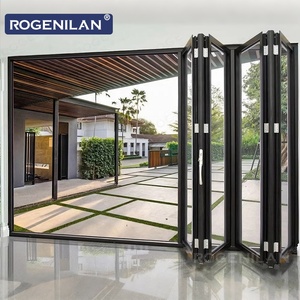
Top Trusted Aluminum Impact Windows Factories & Supplier

Precision Engineering, Cyclone Defense Certifications & Direct B2B Supply Chains for North American Projects

Engineered Fenestration Systems

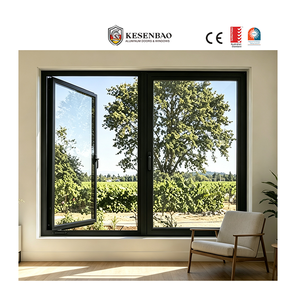
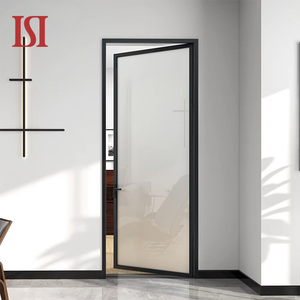
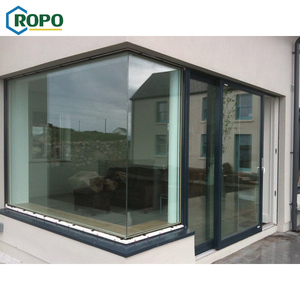
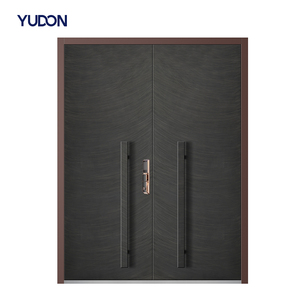
Specified Architectural Doors & Hurricane Windows

Factory-direct fabrication complying with ASTM E1886/E1996, AS 2047 cyclonic loading, and stringent coastal high-velocity hurricane zone (HVHZ) thermal envelope standards.

Comprehensive Specification Guide

The Engineering Architecture Behind Impact Fenestration

Analyzing alloy metallurgy, structural polymer interlayers, and dynamic aerodynamic resilience in coastal building design.

Modern building envelope design demands a holistic approach to energy mitigation, forced-entry resistance, and cyclonic weather survival. Aluminum impact windows have transitioned from luxury coastal fittings into mandatory regulatory requirements under International Building Code (IBC) and International Residential Code (IRC) frameworks across hurricane-prone regions. To satisfy the demanding standards of top architectural firms, specifiers must evaluate the interdependency between thermal barrier isolation, composite laminated interlayers, and high-tensile 6063-T6 or 6061-T6 aluminum structural extrusions.

When selecting an overseas manufacturing partner, evaluating product testing methodologies is critical. Impact fenestration systems undergo dual-phase qualification: large missile impact testing (firing a 9-pound, 2x4 timber missile at 50 feet per second against the glazing framework) followed by 9,000 cycles of inward and outward air pressure loading. Surviving these forces requires specialized polyurethane thermal bridges, structural silicone backbedding (such as Dow Corning 983/995), and precision multi-point locking gear designed to transfer kinetic energy directly into the concrete or steel rough opening.

180,000 m²
Dedicated Production Facility
600+
Technical Artisans & Engineers
100+
Global Patents & Certifications
25+
Years Manufacturing Excellence

PVB vs. SGP Polymer Interlayers

While standard Polyvinyl Butyral (PVB) prevents shatter spalling, SentryGlas Plus (SGP) ionoplast interlayers offer 5 times the tear strength and 100 times the rigidity. SGP prevents laminated collapse even if both tempered lites fracture under repeated cyclonic debris strikes.

Isobaric Polyamide Thermal Breaks

Our aluminum impact profiles incorporate 25% glass fiber reinforced PA66 polyamide thermal barriers. This decouples the interior and exterior aluminum sections, eliminating thermal short-circuiting and reducing overall thermal transmittance (U-factor ≤ 0.28 BTU/hr·ft²·°F).

Anodic & PVDF Surface Chemistry

For coastal applications exposed to high salinity, aluminum extrusions are treated with Qualicoat Class 2 certified powders or 70% Kynar 500/Hylar 5000 PVDF fluoropolymer finishes, providing 3,000+ hours of ASTM B117 salt spray resistance without pitting.
Technical Decision Matrix

Comparative Engineering: Aluminum Fenestration vs. Legacy Systems

Quantifying operational lifecycles, wind loading thresholds, and structural deformation properties under extreme load conditions.

Performance Parameter DERCHI Engineered Aluminum Standard Commercial Vinyl (uPVC) Solid Wood Core Clad Structural Carbon Steel
Structural Tensile Strength 240–280 MPa (Alloy 6063-T6) 40–55 MPa (Requires internal steel) 45–60 MPa (Species dependent) 350–450 MPa
Cyclonic Windload (Design Pressure) Up to +120 / -150 PSF (DP100+) Typically capped at DP50-DP60 Typically capped at DP65 Up to +140 / -160 PSF
Sightline Width to Glass Ratio Ultra-slim (Minimalist aesthetics) Bulky multi-chambered profile Moderate sightlines Ultra-slim profile
Coastal Salt Air Corrosion (B117) Zero oxidation with PVDF/Anodize Degrades under persistent UV Prone to fungal rot and swelling Requires constant recoating
Thermal Expansion Coeff. (10⁻⁶/K) 23.4 (Dimensionally stable) 50–70 (High warp risk at joints) 5–10 (Swelling with humidity) 12.0 (Stable)
Fire Safety Classification Non-combustible / UL Fire Rated Toxic smoke generation (PVC) Combustible organic material Non-combustible (High rating)
Strategic Sourcing Intelligence

Future Trends in Fenestration Supply Chains (2025–2030)

Navigating carbon accounting, oversized structural apertures, and smart IoT automation integration.

1. Low-Carbon "Green Aluminum" Smelting

North American green building certifications (LEED v4.1, Living Building Challenge) increasingly require Environmental Product Declarations (EPDs). Forward-looking developers are procuring aluminum billets processed via renewable hydropower, bringing embodied carbon under 4.0 kg CO₂e per kg of primary aluminum.

2. Oversized Floor-to-Ceiling Apertures

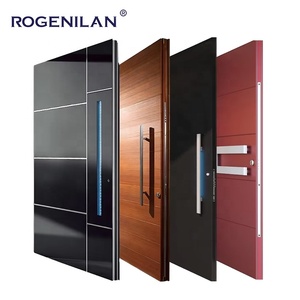
Architects are shifting toward seamless indoor-outdoor transitions. Standard 8-foot thresholds are being replaced with single-panel automated impact pivot doors and multi-slide systems exceeding 14 feet in height. Engineering these setups requires specialized internal reinforcement chambers and precision CNC machining.

3. Photovoltaic & Smart Micro-Sensory Glazing

Next-generation impact envelopes integrate Building Integrated Photovoltaics (BIPV) with IoT-connected multi-point motorized locking mechanisms. Fenestration systems now interface with central Building Management Systems (BMS) to automate climate shading and optimize cooling loads.

4. Direct-from-Source Digital CAD Integration

Procurement delays are being reduced by direct BIM/Revit and parametric CAD data sharing between architectural design desks and precision CNC fabrication centers in Guangdong. Digital proofing ensures shop drawing sign-offs without manual rough-opening layout errors.

5. Vacuum Insulated Glass (VIG) Impact Composites

Combining tempered laminated impact glass with ultra-thin vacuum insulated glass (VIG) achieves center-of-glass R-values above R-12 while retaining full missile protection, outperforming traditional bulky argon-filled triple glazing.

6. Supply Chain Resilience & Consolidated Freight

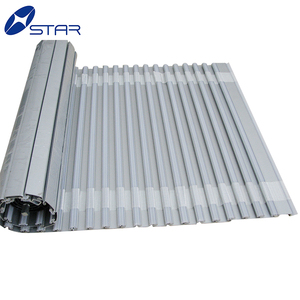
Commercial builders are moving away from multi-vendor sourcing. Sourcing entry doors, impact windows, roller shutters, and garage systems from a single primary manufacturer reduces ocean freight logistics costs by up to 28% through full container optimization.

Factory Capabilities & Infrastructure

The DERCHI Manufacturing Benchmark

With 25+ years of precision craftsmanship, Guangdong Dejiyoupin Doors and Windows Co., Ltd. provides factory-direct custom fenestration solutions across North America.

Consolidated Fenestration Manufacturing

Single-Source Sourcing

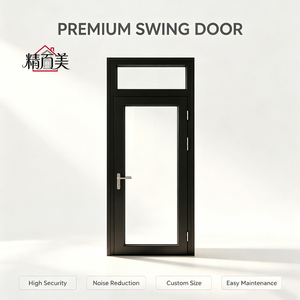
Consolidate custom luxury pivot doors, thermal break casements, hurricane fixed glass, and motorized garage portals under a single production and warranty schedule.

Testing and Lab Verification

Stringent Certifications

Certified to international building standards including CE, ISO 9001, AS 2047 cyclonic testing, and UL fire classifications, backed by full engineering submittal documentation.

Engineering CAD Shop Drawing

Complimentary Engineering CAD

Our in-house facade engineers produce complete, ready-to-review CAD shop drawings based on your schedule, rough opening dimensions, and local design pressure requirements.

B2B North American Support

North American Time Zone Desk

Work directly with English-speaking sales engineers operating across EST–PST hours to keep project consultations, production revisions, and deliveries on track.

DERCHI Guangdong Industrial Facility Base
Procurement Clarity

Frequently Asked Questions by Project Engineers & Importers

Real-world answers covering international logistics, technical performance metrics, structural testing, and site installations.

Q: How do your aluminum impact windows comply with US High Velocity Hurricane Zone (HVHZ) requirements?

Our systems can be configured with structural SGP ionoplast laminates, reinforced alloy extrusions, and heavy-duty stainless multipoint gear that meet ASTM E1886 and ASTM E1996 testing conditions. This makes them suitable for hurricane-prone areas, including Florida and the Gulf Coast.

Q: What is the difference between AS 2047 and North American NAFS standards?

AS 2047 is Australia's rigorous fenestration benchmark, with N6 representing the highest tier for extreme wind resistance, water penetration control, and air infiltration. Systems engineered to pass AS 2047 N6 typically exceed standard commercial requirements under North American NAFS/AAMA testing protocols.

Q: Can DERCHI support mixed imperial/metric rough opening schedules?

Yes. Our engineering office works directly with North American architectural drawings in feet and fractional inches. We convert these into millimeter-precise CAD shop drawings for your review before manufacturing begins.

Q: How are oversized impact pivot doors secured during international ocean transit?

Every product is packed for long-distance transport using waterproof polyethylene wrapping, high-density edge guards, and custom ISPM-15 compliant fumigated plywood crates. This ensures your order arrives jobsite-ready with minimal handling risk.

Q: What thermal barrier profiles do you use to stop interior condensation in cold climates?

For Canadian and northern US installations, we specify deep polymide (PA66 GF25) thermal breaks that structurally isolate exterior cold from the interior room. Combined with argon-filled Low-E insulated glass units, this reduces internal condensation and meets regional energy codes.

Q: Can clients inspect the manufacturing floor during active production?

Yes. You can access our interactive 360-degree virtual factory tour online anytime. We also accommodate third-party quality control inspections (SGS, TÜV, Intertek) and welcome client facility visits by appointment.

Request an Engineered Fenestration Estimate

Send us your door and window schedule, architectural elevations, or structural performance requirements. Our English-speaking technical team will provide an itemized quote, CAD analysis, and logistics proposal tailored to your build schedule.