High-Performance Window & Door Systems for Mexican Developments
Engineered for high solar irradiance in Sonora, hurricane cyclonic wind-loads along the Riviera Maya, and acoustic dampening across vertical developments in CDMX, Monterrey, and Guadalajara.
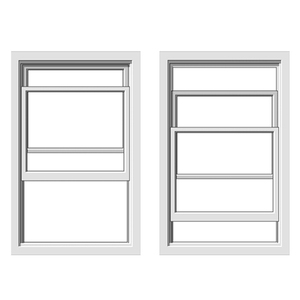
Aluminum American Style Top Hung Sash Window Vertical Sliding Hung Windows
- Dual block balance hardware for effortless vertical motion
- Engineered weep-hole baffling resisting tropical cloudbursts
- Concealed weather-stripping with dual EPDM perimeter seals
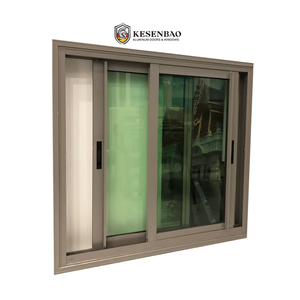
Modern Exterior Sliding Aluminum Windows Thermal Break Double Glazed Soundproof
- Polyamide PA66 nylon thermal break bar isolation
- Acoustic STC rating 38+ for dense urban expressways
- Heavy-gauge 6063-T6 aluminum extrusion architecture
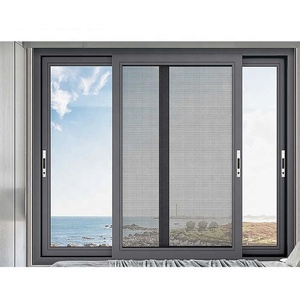
Custom Horizontal Sliding Folding Screen Double Tempered Glass Foshan Windows
- Heavy-duty bottom-hung stainless roller carrier assemblies
- Integrated retractable stainless insect mesh screen
- 90% clear aperture opening for indoor-outdoor villa patios
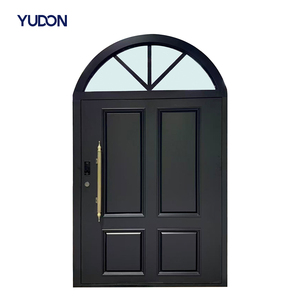
YUDON DOOR Aluminum Glass Door Smart Lock Anti-Rust Anti-Theft Coastal Front Doors
- Biometric, RFID, passcode & mechanical fail-safe access
- Multi-point interlocking deadbolts preventing forced lever entry
- Fluorocarbon PVDF finish resisting saline marine atmospheres
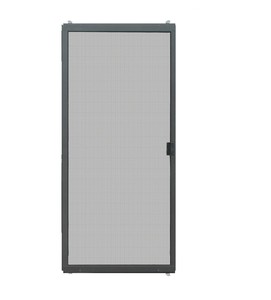
New Anti-Air Aluminum Alloy Black White Fiberglass Sliding Screen Doors
- High-tensile vinyl-coated fiberglass mesh (UV-stabilized)
- Whisper-quiet precision nylon guide wheel track system
- Engineered frame reinforcement against high wind buffeting
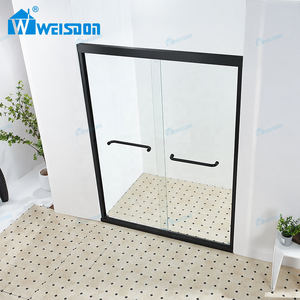
Custom Villa Hotel Matte Black 5+5mm Laminated Tempered Double Sliding Shower Door
- 5+5mm shatter-proof laminated architectural safety glass
- Anodized matte black finish resistant to hard mineral water
- Magnetic closure strip and anti-leak water deflectors
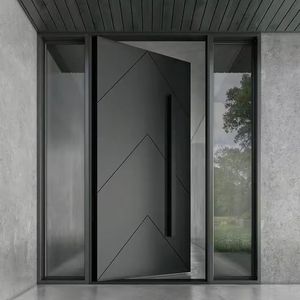
Modern Pivot Door Anti-Theft Minimalist Aluminum Finished Entry for Villa Residence
- Heavy-capacity German hydraulic bottom pivot bearing mechanism
- Structural honeycomb internal core offering acoustic & thermal buffer
- Expansive custom sizing up to 4.2m in height and 2.2m in leaf width
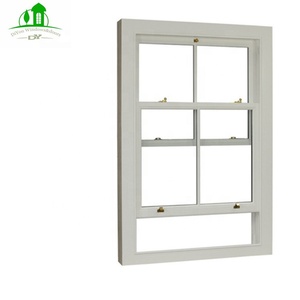
Best Selling Aluminum Up and Down Soundproof Window with Colonial Grill Inserts
- Internal decorative colonial mullion grids sealed inside double IGU
- Precision counterbalance mechanism ensuring finger-touch operation
- 5-Year structural factory warranty with qualicoat powder coat
Tailored Engineering for Mexico’s Microclimates and Urban Topography
From the seismic corridors of the central highlands to the hyper-saline hurricane alleys of Quintana Roo and Baja California Sur, fenestration cannot rely on one-size-fits-all profiles. Our systems are engineered against precise regional building physics.
Northern Mexico & Bajío Industrial Hubs
Primary Regions: Monterrey (Nuevo León), Saltillo, Querétaro, San Luis Potosí, and Ciudad Juárez.
The semi-arid climate produces extreme diurnal thermal swings fluctuating from sub-zero winter temperatures to scorching summer highs exceeding 42°C. Conventional non-thermal aluminum causes massive HVAC heat conduction and condensation.
Technical Solution: We supply 65mm and 75mm multi-chambered polyamide thermal breaks (PA66GF25) paired with double-glazed argon-filled Low-E insulating glass units (IGUs). This configuration cuts overall U-values down to 1.4 W/m²·K, drastically cutting cooling loads for industrial headquarters and private estates in San Pedro Garza García.
Caribbean & Pacific Coastal Resort Corridors
Primary Regions: Cancún, Riviera Maya, Tulum, Los Cabos, Puerto Vallarta, and Mazatlán.
Architectural openings face violent cyclonic hurricanes, positive/negative wind pressures surpassing 4.5 kPa, airborne coastal debris, and relentless chloride-rich salt spray causing galvanic oxidation.
Technical Solution: Structural hurricane-impact laminates (SentryGlas® / PVB interlayers 1.52mm - 2.28mm) coupled with marine-grade fluorocarbon PVDF (AAMA 2605 compliant) or Class I architectural anodizing (>25 microns). Certified to resist wind-borne missile debris and corrosive salt fog without hardware seizure.
Central Highlands & CDMX Vertical Towers
Primary Regions: Mexico City (Polanco, Santa Fe, Reforma), Guadalajara, Puebla, and Toluca.
High-altitude seismic considerations (Valley of Mexico soft lacustrine soils) require fenestration that accommodates seismic story-drift without catastrophic glass blowout, while attenuating severe urban decibel levels (75-85 dB).
Technical Solution: Asymmetrical acoustic double-glazed laminated assemblies (6mm + 1.14PVB Acoustic + 6mm + 12Ar + 8mm) achieving Sound Transmission Class (STC) ratings above 42 dB. Floating seismic sub-frame systems absorb lateral movement in high-rise residential towers.
Emerging Procurement Trends Shaping the Mexican Architectural Landscape
Mexico's architectural fenestration sector is experiencing an unprecedented technical evolution driven by international nearshoring investments, modern energy regulations, and high-end residential luxury standards.
1. Nearshoring Industrial Real Estate & Class-A Commercial Boom
The nearshoring wave across the Bajío and northern border regions has attracted global multinational HQs, semiconductor R&D centers, and advanced manufacturing campuses. These developments mandate international LEED v4 and EDGE green building certifications, rejecting obsolete single-pane or non-broken aluminum systems.
Developers are prioritizing verified supplier certifications (ISO 9001, AS 2047, CE, and ASTM structural testing data) to ensure curtain walls, structural ribbon windows, and commercial entrance assemblies pass stringent insurance and audit frameworks.
2. Enforcement of NOM-008-ENER & NOM-020-ENER Energy Standards
The National Commission for the Efficient Use of Energy (CONUEE) in Mexico has tightened enforcement of official Mexican standards: NOM-008-ENER-2001 (energy efficiency in non-residential building envelopes) and NOM-020-ENER-2011 (thermal envelopes for residential buildings).
Specifying engineers must provide verified Solar Heat Gain Coefficients (SHGC ≤ 0.28 to 0.35 in tropical and desert zones) and low U-values. Sourcing directly from advanced manufacturing bases enables custom ceramic frit placement, spectrally selective coatings, and specialized low-iron Low-E compositions that satisfy NOM compliance seamlessly.
3. Slim Sightlines & Architectural Indoor-Outdoor Seamlessness
Modern residential design in luxury residential estates—from Zapopan in Guadalajara to Valle de Bravo and the gated communities of San Pedro Garza García—heavily favors minimalist, oversized fenestration.
- Concealed Sash Systems: Interlocking vertical stiles down to 20mm sightlines, maximizing glass visual ratios.
- Monumental Pivot Formats: Front entrance pivot doors stretching over 4 meters tall with integrated hidden hydraulic floor closures and automated multi-point smart locking.
- Zero-Threshold Flush Tracks: Flush drainage track integration that eliminates trip hazards between open-concept living rooms and outdoor infinity pool decks, equipped with submerged linear drainage slots.
| Performance Characteristic | Local Mexican Fabrication (Taller Artesanal) | Standard European Import Brands | DERCHI High-Spec Factory Direct (Our Offering) |
|---|---|---|---|
| Alloy Grade & Metallurgy | Recycled or secondary billet, uneven wall thickness (1.0 - 1.2mm) | Primary 6060 / 6063-T6 architectural grade (1.6 - 2.0mm) | Virgin 6063-T6 / 6061-T6 (2.0 - 3.2mm structural profiles) |
| Thermal Insulation (U-Factor) | U-value > 4.5 W/m²·K (No thermal break, massive heat gain) | U-value 1.4 - 1.8 W/m²·K (High performance, extreme cost) | U-value 1.2 - 1.6 W/m²·K (PA66GF25 barrier, 45% cost savings) |
| Surface Treatment & Saline Resistance | Standard domestic powder coat; fades & chalks in 2-3 years | Qualicoat Class 1 or 2 standard finishes | PPG Fluorocarbon PVDF / Qualicoat Seaside certified (>3000hr salt spray) |
| Lead Times & Project CAD Support | Fragmented manual sizing, high site-fitting errors | 16 to 24 weeks; high shipping costs from Western Europe | 20-30 days production, free parametric shop CAD / BIM files |
| Seismic & Impact Certification | Generally untested; uncertified hand-cut glazing | CE certified according to EN standards | AS 2047 (N6 Cyclone Tested), CE, ISO 9001, UL Fire-Rated |
Why Tier-1 Mexican Developers & Architects Partner with Us
Operating as the specialized export engineering arm of Guangdong Dejiyoupin Doors and Windows Co., Ltd. (DERCHI), we bridge the gap between heavy industrial capacity and hyper-customized North American architectural specifications.
One-Stop Architectural Consolidation
Developers avoid coordinating separate suppliers for thermal-break casements, massive slimline patio sliders, cast aluminum security entry gates, interior frameless glass shower enclosures, and smart biometric front doors.
Every fenestration element is engineered under unified anodizing and coating runs, guaranteeing 100% color and textural fidelity across your entire residential or commercial estate.
Free BIM, CAD & Door Schedule Engineering
Our dedicated North American technical desk translates architectural elevations into fully dimensioned, shop-ready AutoCAD submittals, complete with anchoring details, weep-drainage calculations, and static glass stress simulations.
We review rough opening tolerances, structural buck details, and wind-load calculations before an ounce of aluminum is extruded or cut.
Export-Certified Protective Logistics
Windows and monumental pivot doors travel via ocean freight packed in IPPC-certified solid fumigated plywood crates, sealed with moisture-absorbent desiccants, high-density polyethylene film, and corner corner-guard impact caps.
Direct ocean line routes from Shenzhen/Guangzhou ports to Manzanillo, Lázaro Cárdenas, and Veracruz ensure minimal transit damage and seamless multimodal port-to-site container haulage.
Frequently Asked Questions by Mexican Buyers & Builders
Essential guidance on importing custom architectural fenestration into Mexico, including customs tariffs (IGI), NOM compliance, logistics routing, and site preparation.
How does importing from your factory compare to sourcing from the US under USMCA / T-MEC?
While USMCA allows tariff advantages for certain regional products, US-fabricated architectural aluminum windows often carry price tags 2.5x to 4x higher due to high domestic labor costs and extended backlogs. Even after accounting for Mexico’s general import tax (IGI under HS Code 7610.10 for aluminum doors/windows) and maritime shipping, sourcing factory-direct from our 180,000m² Foshan facility delivers net cost savings between 35% and 55% with superior custom finish capabilities and faster shop drawing cycles.
Which Mexican ocean ports handle fenestration container shipments most efficiently?
For destinations in Western, Central, and Northern Mexico (CDMX, Guadalajara, Monterrey, Querétaro, San Luis Potosí), shipping via Port of Manzanillo (Colima) or Port of Lázaro Cárdenas (Michoacán) is optimal, with direct trans-Pacific transit times typically ranging from 18 to 26 days. For projects along the Yucatan Peninsula (Cancún, Riviera Maya, Mérida), containers ship efficiently to Port of Veracruz or Port of Altamira. We assist in preparing complete packing lists, commercial invoices with exact HS classifications, and certificate of origin documentation to expedite customs clearance.
Do we need our own Padrón de Importadores, or can you provide DDP turnkey delivery?
If your construction enterprise is registered with the SAT (Servicio de Administración Tributaria) on the Padrón de Importadores, you can clear the shipment using your designated Mexican customs broker (Agente Aduanal). Alternatively, if you are an independent architect, private villa owner, or contractor without an active import license, we collaborate with reliable international freight forwarding partners capable of providing DDP (Delivered Duty Paid) terms—handling inland ocean shipping, customs pedimento declaration, duty clearance, and flatbed transport directly to your job site.
How do your aluminum window systems comply with Mexican seismic and wind codes?
All structural frame calculations are calibrated against the manual of civil structures of the Federal Electricity Commission (CFE - Manual de Diseño de Obras Civiles por Viento y Sismo) and local building regulations like the Reglamento de Construcciones para el Distrito Federal (RCDF). In seismic zones like CDMX, we incorporate dynamic expansion perimeter reveal clips and elastic structural silicone joint seals that permit inter-story lateral drift without imposing destructive shear stresses onto the glass edge.
Can you provide custom powder coat or anodized finishes that resist Pacific / Caribbean salt spray?
Yes. For coastal residential and hospitality projects in Los Cabos, Cancún, or Puerto Vallarta, standard domestic paint fails within months. We specify electrostatic AkzoNobel or PPG certified PVDF fluoropolymer wet coatings (compliant with AAMA 2605) with guaranteed salt-spray resistance exceeding 3,000 to 4,000 hours, or 25-micron architectural electrolytic anodizing. Every hinge, lock pin, and roller assembly is specified in non-magnetic 316-grade stainless steel to eliminate galvanic pitting.
What is the typical production timeline from architectural sign-off to site delivery?
Once your door/window schedule is finalized and shop CAD drawings are signed off, custom manufacturing takes approximately 20 to 30 calendar days, depending on volume and specialized glass coatings. Trans-Pacific ocean transit to Manzanillo or Lázaro Cárdenas requires 18 to 24 days. Mexican customs clearance and inland truck freight to job sites in Central/Northern Mexico typically takes 5 to 7 days, providing an overall delivery window of 7 to 9 weeks—well within standard project framing schedules.