High-Performance Architectural Fenestration Systems
Factory-tested, climate-resilient exterior sliding, bifold, and casement solutions precision-machined for residential estates, winter gardens, and commercial developments across Russia.
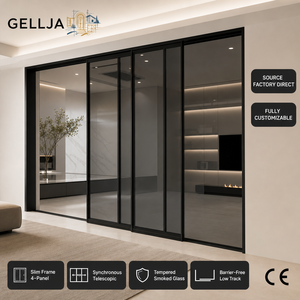
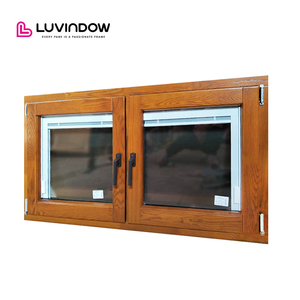
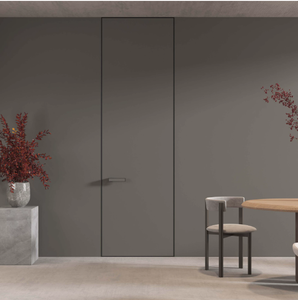
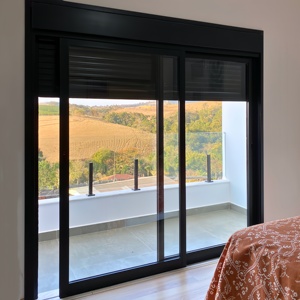
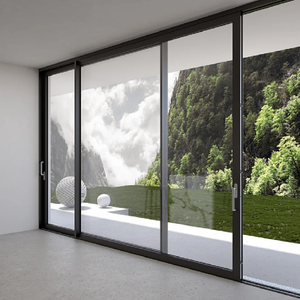
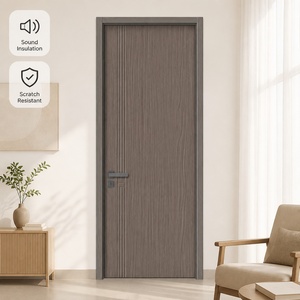
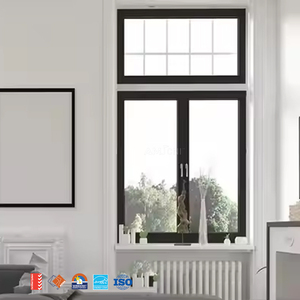
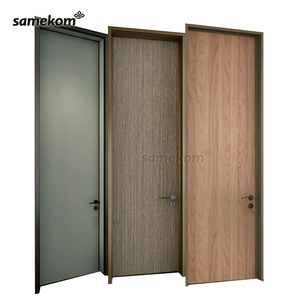
Thermal Optimization & Structural Integrity for Russian Architectural Requirements
Deploying oversized bifold exterior door systems in regions such as Moscow, Saint Petersburg, Novosibirsk, and Yekaterinburg demands deep structural calculations and uncompromising thermal isolation. When exterior temperatures plunge below -35°C, standard aluminum folding doors face catastrophic condensation, ice formation along perimeter tracks, and hinge deflection caused by ground heave.
Multi-Chamber Polyamide PA66 Thermal Barriers
Aluminum exhibits high thermal conductivity (~160–200 W/m·K). Without an expansive thermal break, interior sash condensation and freeze-thaw degradation are inevitable. Our Russia-grade bifold profiles integrate 34mm to 45mm multi-cavity PA66 GF25 polyamide insulation strips, forming a continuous barrier that lowers total system U-values down to Uw ≤ 0.85 W/m²·K.
Triple & Quadruple Argon-Filled Glazing Units
To satisfy GOST 30674-99 and regional energy codes (SNiP 23-02-2003), exterior folding leaves feature tempered or laminated insulated glass units (IGU) up to 52mm overall thickness. Utilizing double-pane Low-E coatings, warm-edge structural spacers, and 90% dry argon gas fill, our bifolds eliminate cold radiation while retaining internal warmth.
Continuous EPDM Vulcanized Compression Seals
Air filtration and snow drift intrusion represent critical failure points in accordion-style folding doors. We engineer multi-point perimeter compression seals using automotive-grade cellular EPDM rubber. Tested to remain elastic at -50°C, they prevent draft penetration under high wind pressures (Class 4 Air Permeability per EN 12207).
| Performance Characteristic | Russian Standard (GOST / SNiP) | DERCHI Heavy-Duty Bifold Specification | Architectural Benefit |
|---|---|---|---|
| Thermal Transmittance (Uw) | 0.55 – 0.80 m²·°C/W (SNiP 23-02) | Uw 0.82 – 0.95 W/m²·K (Up to 1.15 m²·°C/W) | Compliant across Central, Ural, and Siberian federal districts |
| Air Permeability | GOST 26602.1-99 Class A | Class 4 (EN 12207) / ≤ 0.75 m³/(h·m) | Eliminates micro-drafts and perimeter air infiltration completely |
| Water Tightness | GOST 26602.2-99 (Above 600 Pa) | Class E900 (EN 12208) / 900 Pa | Integrated sub-sill drain cascades meltwater safely outward |
| Wind Load Resistance | Wind Zone II - V (SNiP 2.01.07-85) | Class C5 / 3000 Pa Ultimate Load | Withstands seasonal blizzards and heavy gusting without deflection |
| Acoustic Insulation (Rw) | GOST 26602.3-99 | Rw ≥ 42 dB (with acoustic laminated glass) | Effective sound attenuation for urban avenues and ring roads |
Engineered for Russian Architectural Realities
From luxury suburban dacha settlements in Rublyovka to modern lakeside cottages in Karelia and panoramic commercial dining terraces in Sochi and Vladivostok.
Cottage Communities & Country Mansions (Dacha Estates)
Homeowners in prestigious suburban developments demand seamless transitions between living rooms, open pergolas, and stone terraces during the warm summer months. Our bifold doors fold cleanly to 90% clear aperture width, while sealing tight in sub-zero winters with thermally isolated, heated sub-sill options that prevent ice damming.
All-Season Winter Gardens & Glazed Verandas (Зимний Сад)
Winter gardens are a hallmark of Russian architectural luxury. DERCHI exterior folding systems serve as high-strength perimeter glass envelopes. Heavy structural top-hung rollers carry sash loads up to 150 kg per panel effortlessly, preventing sags, binding, or roller derailment throughout years of seasonal temperature swings.
Hospitality, Waterfront Cafés & Retail Fronts
In resort cities like Sochi, Yalta, and St. Petersburg's Neva embankments, restaurants maximize seasonal seating capacity. Flush track designs eliminate trip hazards for guests and service staff, while our 3.0mm structural extrusion walls withstand corrosive maritime humidity, heavy foot traffic, and rapid operational turnover.
Emerging Fenestration Trends in the Russian Construction Market
How structural supply chain realignment and sustainable architecture are reshaping window and exterior door imports.
Pivot from Western Brands to Direct-from-Factory Tier-1 Sourcing
Historically, high-end developers in Russia relied on Western European systems (such as Schüco, Reynaers, or Aliplast). Logistics disruptions, inflated intermediary margins, and lengthy delivery cycles have accelerated the shift toward established Tier-1 Chinese manufacturers who provide European-grade alloys, German hardware (Siegenia, Roto, Hoppe), and direct container dispatch.
Ruble-Yuan Settlement & Flexible Rail Container Logistics
B2B transactions directly invoiced in Chinese Yuan (CNY) eliminate FX currency conversion losses. Furthermore, direct rail multimodal freight routes (via Manzhouli/Zabaikalsk or Khorgos to Vorsino terminal outside Moscow) cut transit times to just 16–22 days, drastically outperforming traditional congested deep-sea shipping routes.
Demand for Slim Sightlines & Ultra-Tall Apertures
Contemporary Russian architects favor large-format panoramic glazing with minimalist visible frames. Our 6063-T6 virgin aluminum extrusions allow sash heights reaching up to 3.5 meters with sash widths up to 1.2 meters, giving architects vast visual clearance without sacrificing structural stability under cyclonic Siberian gust loads.
Guangdong Dejiyoupin Doors & Windows Co., Ltd. (DERCHI)
Ranked among the Top 10 door and window brands in South China, DERCHI brings over 25 years of specialized extrusion, fabrication, and structural engineering expertise to global projects.
With an expansive 180,000 square meter intelligent production base, over 600 specialized production technicians, and a dedicated engineering department, we manufacture exterior bifold systems, sliding walls, architectural casements, cast aluminum fortress doors, and garage doors. Having successfully delivered verified villa and commercial projects across North America, Europe, Australia, and Central Asia, we provide full CAD shop drawing verification before every single extrusion is cut.

Frequently Asked Questions for Russian Contractors & Developers
Clear, unambiguous answers addressing customs clearance, thermal bridging, hardware longevity, and shipping routes.
How do your exterior bifold doors prevent bottom rail freezing during Russian winters?
What hardware brands and carriage systems are used to guarantee smooth sliding under heavy glass loads?
Can your factory provide customs clearance documentation (GOST-R, Declaration of Conformity)?
What shipping methods and crating protect glass during railway transit across Eurasia?
What is the standard production timeline and direct delivery duration to Moscow or St. Petersburg?
Plan Your Next Architectural Project with Factory Direct Precision
Submit your opening dimensions, door schedules, or architectural elevations. Our bilingual engineering team will return comprehensive shop drawings, calculated thermal transmittance values, and full container CIF/FOB pricing within 24 hours.
Get a Quote