Featured Architectural Systems for Turkish Real Estate & Hospitality
From Mediterranean seaside luxury villas in Bodrum and Antalya to high-wind metropolitan penthouses along the Istanbul Bosphorus, our precision-extruded profiles and multi-lock hardware ensure thermal integrity, seismic stability, and acoustic comfort.
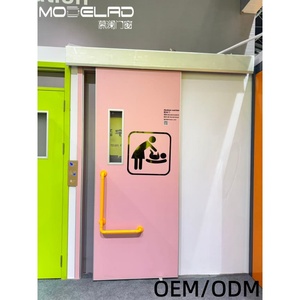
Heavy Duty Hospital Sliding Door Barrier-Free Accessible Aluminum Wood Commercial Door
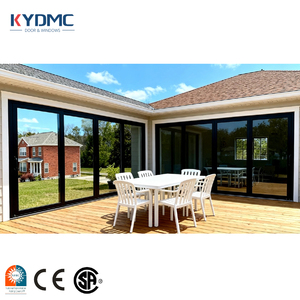
Customized Aluminum Double Glazed Lift and Sliding Door Balcony Courtyard AS2047
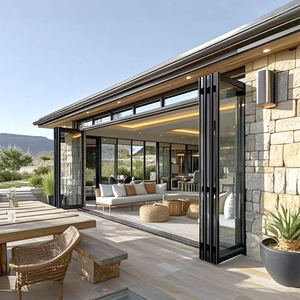
NFRC Thermal Break Aluminum Folding Door Patio System With Retractable Insect Screen
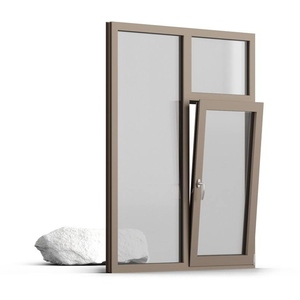
Manufacturer Aluminum Casement Windows With Triple Pane Energy Saving Glass Frame
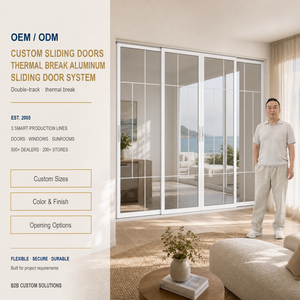
Wood Grain Aluminum Sliding Door Interior Wood Finish Transfer Sliding Glass Door
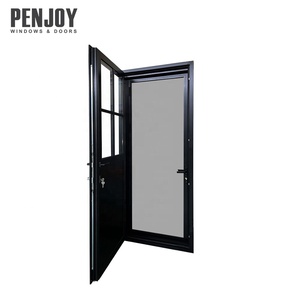
Thermal Break Aluminum Swing Door with Screen Window for Exterior Patio Custom Size
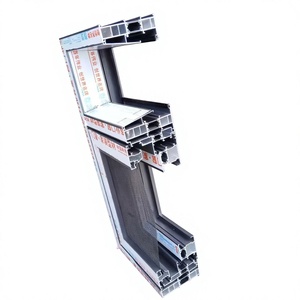
Thermal Break Aluminum Casement Window Sliding Door Panoramic Sunroom System
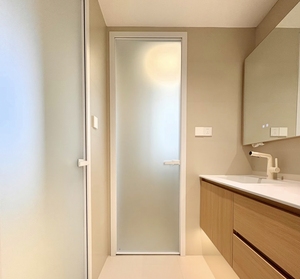
Waterproof Aluminum Bathroom Casement Doors With Privacy Frosted Glass Wet Room
Strategic Fenestration Procurement for Turkey's Demanding Climate Zones
Navigating structural deflection, thermal resistance under TS 825, seismic code compatibility (TBDY 2018), and marine corrosion resistance for developers and architects across Istanbul, Bodrum, Izmir, and Ankara.
Thermal Compliance (TS 825)
Turkey is segmented into 5 distinct thermal insulation climate regions under Turkish Standard TS 825. From Region 1 (Antalya, Izmir) requiring solar heat gain coefficient control, to Region 4 and 5 (Erzurum, Ankara interior) demanding low U-values, our polyamide thermal barrier (PA66 GF25) bifold profiles deliver a consolidated system thermal transmittance down to Uw ≤ 1.3 W/m²·K.
Coastal Corrosion & Qualicoat Class 2
Bodrum, Marmaris, and Çeşme present extreme UV exposure coupled with high atmospheric sea salt salinity. We utilize architectural alloy 6063-T6 virgin aluminum protected by marine-grade Qualicoat Class 2 fluorocarbon/powder finishes (min. 60-80 microns) and 20-25 micron anodized surface options that undergo 3,000 hours of acetic acid salt spray testing without pitting.
Seismic Integrity & Wind Pressure
Under Turkey's comprehensive seismic regulation TBDY 2018 and TS EN 12210 wind resistance criteria, wide-span patio openings must endure racking forces without panel derailment. Our top-hung stainless steel multi-wheel carriage assemblies and interlocking reinforced mullions withstand wind gusts exceeding Class C4 / 2400 Pa.
| Performance Attribute | Test Standard / Regulatory Reference | Guangdong Dejiyoupin / DERCHI Specification | Applicable Turkish Regional Scenario |
|---|---|---|---|
| Thermal Transmittance (Uw) | TS EN ISO 10077-1 / TS EN ISO 10077-2 / TS 825 | 1.3 to 1.6 W/m²·K (Double Low-E) | ≤ 0.9 W/m²·K (Triple Pane) | Zone 2 - Zone 4 Istanbul, Ankara, Bursa residential complexes |
| Air Permeability | TS EN 12207 / EN 1026 | Class 4 (Maximum tightness, 600 Pa test pressure) | High-rise Bosphorus shoreline residences & Black Sea coast |
| Watertightness | TS EN 12208 / EN 1027 | Class 9A / E1050 (Exceeds 1050 Pa driving rain test) | Antalya & Aegean autumn-winter maritime rainstorms |
| Wind Load Resistance | TS EN 12210 / EN 12211 | Class C4 / B5 (Extreme coastal wind gust deflection ≤ L/300) | Çeşme, Bodrum peninsula open hilltops and seafront villas |
| Acoustic Attenuation (Rw) | TS EN ISO 717-1 / EN 20140 | Rw = 36 dB to 44 dB with asymmetric laminated glass packs | Istanbul city center urban acoustic buffering (Kadıköy, Beşiktaş) |
| Hardware Cycle Durability | TS EN 1527 / EN 1191 | Grade 6 tested: 100,000+ opening/closing continuous cycles | Boutique hotels, beach resorts, open-air cafes (Yalıkavak, Alaçatı) |
Engineered Application Scenarios for the Republic of Turkey
Architectural fenestration needs differ dramatically between the Mediterranean, the Marmara Basin, and Central Anatolia. Our customizable aluminium folding systems are engineered around regional lifestyles and building typologies.
1. Luxury Seaside Villas in Bodrum, Çeşme & Fethiye
Mediterranean open-plan living demands full spatial synthesis between infinity pool terraces, stone patios, and central living saloons. Our bifold doors feature completely flush, thermal-break sub-floor tracks that eliminate tripping hazards while providing 95% unobstructed open spans. Coated with ultra-durable Qualicoat Class 2 finishes, the frames resist intense Aegean ultraviolet degradation and sea spray salt pitting.
- Seamless integration with motorized solar shading and retractable pleated fly screens.
- Concealed top-roller bearings protected by dual nylon-brush seals against wind-borne beach sand.
- Reinforced heavy corner corner-turning bifold options with no fixed corner posts.
2. High-Elevation Penthouses & Yalı Mansions in Istanbul
Along the Bosphorus strait (Sarıyer, Bebek, Beykoz) and in high-rise towers across Levent and Ataşehir, wind velocity and sudden localized pressure drops demand extreme structural deflection stability. Derchi's patented polyamide thermal break chambers and EPDM co-extruded triple-gasket vulcanized corner seals ensure zero draughts, absolute watertightness during severe Marmara lodos storms, and superior acoustic isolation.
- Up to 3,200 mm sash heights accommodating oversized floor-to-ceiling panoramic glass vistas.
- Acoustic laminated Low-E glazing isolating maritime foghorns and urban transit noise.
- Multi-point perimeter locking hardware meeting European RC2 / RC3 burglar resistance standards.
3. Commercial Hospitality, Cafes & Restaurants (Kış Bahçesi)
Commercial venues in Antalya's Lara beach, Izmir's Kordon promenade, and Ankara's Çankaya diplomatic quarter capitalize on outdoor seating year-round. Derchi bifold systems function as high-efficiency "Winter Garden" (Kış Bahçesi) facades, allowing hospitality operators to convert open dining verandas into temperature-controlled enclosed banquet spaces in seconds during inclement weather.
- Heavy-duty commercial hinges and floor pins tested to 100,000+ continuous operations.
- Traffic door integration allowing convenient single-panel ingress/egress without opening the full folding wall.
- Narrow profile sightlines (as slim as 115 mm interlock) maximizing customer visibility and natural light.
4. Continental Residences in Ankara, Eskişehir & Cappadocia
In Central Anatolia, where winter temperatures regularly plunge below -15°C and summer temperatures soar above 38°C, thermal insulation is paramount. Utilizing argon-filled triple-glazed units with double Low-E soft coatings and 34 mm engineered polyamide thermal breaks, our folding systems prevent interior frame condensation and drastically cut winter gas heating and summer air-conditioning expenditure.
- Compliance with strict TS 825 Zone 4 residential building thermal envelope criteria.
- Warm-edge composite glass spacer technology mitigating peripheral cold bridging.
- Anodized and powder-coated finishes immune to thermal shock and freeze-thaw degradation.
Key Drivers Reshaping the Turkish Fenestration Landscape
How evolving building regulations, the transition from PVC to architectural aluminium, and the boom in branded luxury residences are transforming fenestration specifications across Turkey.
The Transition from PVC to Slim Aluminium
Historically dominated by PVC joinery, Turkey's premium residential and commercial sectors are aggressively pivoting toward thermally broken aluminium. Large aperture spans exceeding 2.6 meters cannot be reliably supported by PVC without severe profile sagging and expansion distortion under intense Aegean and Mediterranean sunlight. Aluminium offers superior modulus of elasticity, precise geometric tolerances, and razor-sharp architectural aesthetics.
Energy Identity Certificate (EKB) Pressures
Turkey's mandated Enerji Kimlik Belgesi (Energy Identity Certificate) requires all new and renovated residential developments to maintain at least Class C or higher energy ratings. Exterior fenestration constitutes up to 35% of a building's thermal envelope loss. Contractors and architects are replacing obsolete sliding frames with certified thermally isolated bifold systems to attain prestigious green building ratings.
Growth in Coastal Branded Residences
From international resort developers in Bodrum Peninsula to marina lifestyle compounds in Izmir Urla and Göcek, high-net-worth global buyers demand luxury finishes. Large movable glass walls that stack completely out of sight have transitioned from an architectural luxury to a mandatory marketing requirement for high-end properties targeting European, Middle Eastern, and domestic investors.
Guangdong Dejiyoupin Doors & Windows (DERCHI)
Direct factory manufacturing backed by 25+ years of fenestration engineering, world-class German CNC precision machinery, and an export network spanning over 60 countries across Europe, North America, and the Middle East.

Direct Factory Advantages for Turkish Importers & Contractors
Procuring custom fenestration directly from our Foshan, Guangdong manufacturing facility eliminates unnecessary broker layers, allowing Turkish construction firms, window fabricators, and architectural consultancies to capture substantial cost savings while maintaining uncompromised European-tier quality standards.
- ✓ Free Engineering CAD & BIM Submittals: Our in-house technical department generates complete structural calculation reports, wind load simulations, and millimetre-accurate 2D/3D shop drawings tailored to your architectural opening schedules prior to metal cutting.
- ✓ Full Traceability & Certification: CE conformity declarations, ISO 9001 quality management, AS 2047, and UL fire-rated certifications verified for smooth Turkish customs (Gümrük) compliance and municipal building inspection approvals.
- ✓ Comprehensive Factory Pre-Assembly: Every bifold panel system undergoes 100% dry assembly, leveling, track alignment calibration, and hardware testing on our test rigs before receiving protective film and fumigated export steel-reinforced crating.
Internationally Validated Testing Standards

Frequently Asked Questions by Turkish Buyers
Addressing import customs procedures, maritime shipping routes, TS EN standard alignments, and custom shop drawing protocols for Turkish construction professionals.
What are the shipping logistics and transit times from your factory to Turkish ports?
+
Do your aluminium bifold doors comply with Turkish TSE and European CE standards?
+
How do you protect oversized glass bifold panels from damage during ocean voyage?
+
Can you manufacture bifold systems matching custom structural openings in Turkey?
+
Which thermal insulation specifications are optimal for Bodrum versus Ankara?
+
What hardware brands and locking mechanisms are integrated?
+
How are warranty, replacement parts, and technical installation support managed?
+
What commercial payment terms (Ödeme Koşulları) are available for Turkish projects?
+
Connect Directly with Our Fenestration Engineering Division
Embarking on a luxury villa development in Bodrum, an urban regeneration scheme in Istanbul, or a seaside commercial venue along the Mediterranean coast? Submit your door schedule, architectural plans, or project quantities for a complimentary CAD review and factory-direct price quotation.