AAMA / NFRC Rated
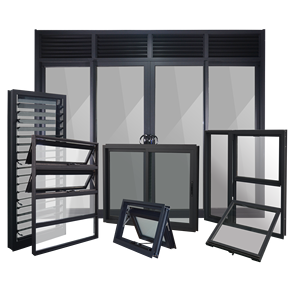
Aluminum Windows and Doors
- Profile: 6063-T6 Extrusion
- Acoustic Rating: STC 38 - 42 dB
- Thermal Break: Polyamide PA66 GF25
Direct factory production of custom 6063-T5/T6 structural thermal break framing, multi-point locksets, and architectural glazing certified for residential, hospitality, and vertical towers.
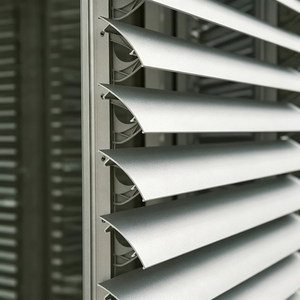
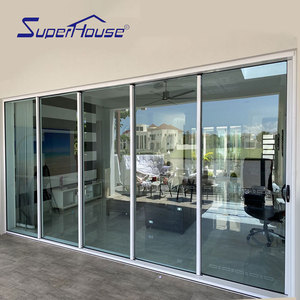
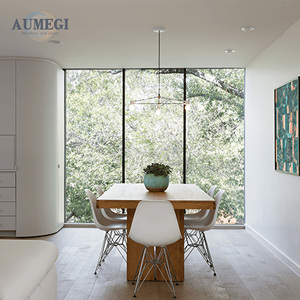
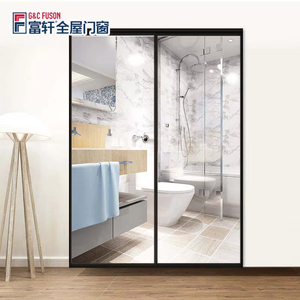
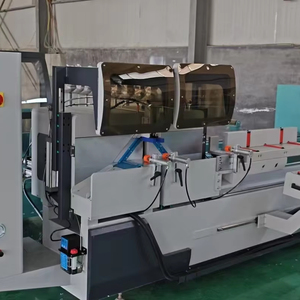
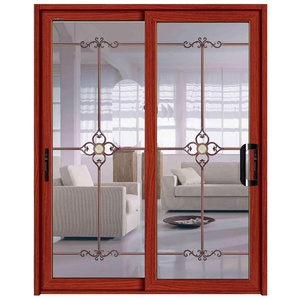
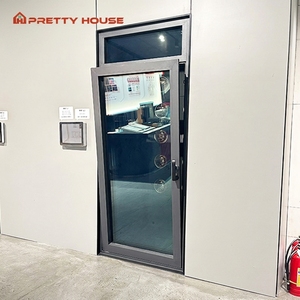
Integrated extrusion, surface treatment, CNC fabrication & automated assembly lines.
Dedicated structural engineers, facade draftsmen, QC specialists, and foreign trade technicians.
Accredited to CE, ISO 9001, AS 2047, and UL fire-rated standards for architectural safety.
Proven project deliveries across North America, Latin America, Europe, and Asia-Pacific.
Mexico City represents one of the world's most intricate structural fenestration landscapes. Sitting at an altitude of 2,240 meters (7,350 feet) on top of the lacustrine soft clay deposits of ancient Lake Texcoco, building envelopes face a unique confluence of high seismic risk, severe diurnal temperature fluctuations, intense ultraviolet (UV) radiation, and extreme metropolitan acoustic pollution.
The geotechnical conditions of Mexico City—categorized into Lomas (Zone I hard ground), Transición (Zone II), and the infamous Lago (Zone III soft clay)—require strict adherence to the Normas Técnicas Complementarias del Reglamento de Construcciones para el Distrito Federal (NTC-RCDF). During seismic events, high-rise concrete and steel frames in zones like Reforma, Santa Fe, and Insurgentes experience substantial inter-story drift angles.
Our fabrication systems incorporate specialized seismic sub-frames with slotted mounting anchors and perimeter expansion joints cushioned with dynamic vulcanized EPDM gaskets. This configuration allows differential lateral movements up to ±25mm without transferring torsional strain to the glass lite, preventing glass blowout, corner profile distortion, or seal failure.
Due to Mexico City's high elevation and thin atmospheric layer, UV radiation reaches an index exceeding 11+ for substantial portions of the year. Standard organic coatings fade, chalk, and lose adhesion within 24 to 36 months under these conditions. We exclusively apply AAMA 2604 and AAMA 2605 compliant PVDF (fluoropolymer) liquid coatings and architectural grade hyper-durable powder finishes that guarantee color fidelity and gloss retention for 20+ years.
Furthermore, CDMX experiences diurnal temperature swings spanning up to 20°C between brisk mornings and solar-intense afternoons. Fenestration systems must comply with NOM-008-ENER-2001 and NOM-020-ENER-2011 for building envelope thermal performance. By utilizing multi-chambered polyamide 6.6 glass fiber-reinforced (PA66 GF25) thermal breaks, our systems achieve U-values lower than 1.6 W/m²·K and Solar Heat Gain Coefficients (SHGC) customized between 0.28 and 0.40 to lower HVAC operational expenditures.
Different neighborhoods in CDMX present radically different engineering challenges. The matrix below outlines our recommended fenestration profiles based on site geology, acoustic ambient noise, and wind shear variables.
| CDMX Zone / Sector | Geotechnical Classification | Primary Stressor | Profile Specification | Acoustic Spec (STC/Rw) | Target U-Value / SHGC |
|---|---|---|---|---|---|
| Paseo de la Reforma / Juárez | Zone III (Lacustrine Clay) | Heavy traffic roar & seismic sway | 75mm Thermal Break + Slotted Brackets | STC 42 dB (Acoustic PVB) | U: 1.5 W/m²·K | SHGC: 0.32 |
| Santa Fe / Cuajimalpa | Zone I (Transition / Volcanic) | High canyon wind shear & cold winters | 85mm Lift-Sliding Structural Profiles | STC 36 dB (Standard IGU) | U: 1.3 W/m²·K | SHGC: 0.38 |
| Polanco / Lomas de Chapultepec | Zone I/II (Alluvial Deposits) | Ultra-luxury aesthetics & UV stability | Minimalist Slim-Frame Flush Tracks | STC 40 dB (Laminated IGU) | U: 1.6 W/m²·K | SHGC: 0.30 |
| Condesa / Roma Norte | Zone III (High Silt Water Table) | Seismic flexibility & heritage sightlines | Custom Casement with Slim Astragals | STC 39 dB (Asymmetric Glass) | U: 1.7 W/m²·K | SHGC: 0.35 |
| Periférico Sur / Pedregal | Zone I (Basalt Volcanic Rock) | Vehicular exhaust & severe acoustic peaks | Tilt-Turn Multi-Point Compression Seal | STC 43 dB (Triple Glazed) | U: 1.2 W/m²·K | SHGC: 0.28 |
The architectural narrative of CDMX is shifting toward sustainable vertical consolidation, nearshoring corporate headquarters, and high-performance residential conversions.
Commercial developers along Reforma and Insurgentes now design for LEED Gold and Platinum certifications. Fenestration systems must supply verified Environmental Product Declarations (EPDs) and low thermal bridging to minimize overall building life-cycle carbon expenditure.
Luxury residential estates in Bosques de las Lomas and San Ángel demand floor-to-ceiling glass assemblies with concealed frames and ultra-slim interlocks under 22mm. Systems must deliver uninterrupted vistas of the Valley of Mexico while supporting panel weights exceeding 350 kg.
Urban densification in Roma, Condesa, and Cuauhtémoc has heightened acoustic discomfort from ambient city sirens, public transit, and restaurant zones. High-frequency noise suppression through asymmetric laminated double glazing has shifted from a luxury feature to a mandatory baseline.
As the direct fabrication division of Guangdong Dejiyoupin Doors and Windows Co., Ltd. (DERCHI), we operate an expansive industrial campus in Foshan, Guangdong. Sourcing directly from our plant removes regional trading middlemen, granting Mexican contractors and architects direct engineering control and cost transparency.




Our production adheres to ISO 9001 quality management workflows at every checkpoint—from spectrophotometric analysis of raw 6063 billets to final hardware cycling tests. Products hold European CE markings, Australian AS 2047 cyclonic certificates, and UL fire-rated door approvals. Every lot delivered to Mexico is accompanied by mill test certificates, structural calculation sheets, and third-party lab verification for peace of mind.
We do not ask Mexican architects to compromise their drawings to fit fixed catalog dimensions. Our engineering team prepares comprehensive AutoCAD and Revit shop drawings showing exact structural mullion profiles, anchor bracket placement, glass bite dimensions, and perimeter flashing details. Production only begins upon formal client sign-off on submittals.
Importing architectural fenestration requires predictable scheduling and careful damage-prevention protocols. We provide turnkey logistics orchestration from our Foshan loading docks directly to your jobsite in CDMX.
Shipments depart Shenzhen or Nansha ports on fast direct container loops to the Pacific ports of Manzanillo (Colima) or Lázaro Cárdenas (Michoacán). Average oceanic transit time ranges from 18 to 22 days, providing rapid cycle times for large-scale developments.
Containers are transferred via bonded rail or escorted dedicated flatbed freight directly to the Aduana Interior de México (Terminal Pantaco) in CDMX, or delivered directly to contractor bonded warehouses with full insurance coverage.
We supply bilingual commercial invoices, detailed packing lists with HS code breakdowns (Chapter 7610.10 for doors and windows), and certificate of origin documents. We work seamlessly with your chosen Mexican Agente Aduanal or arrange full DDP delivery.
Essential clarity on specifications, customs regulations, delivery schedules, and jobsite installation protocols for developers in Mexico City.
Share your architectural drawings, window schedules, or rough opening dimensions. Our bilingual structural engineering team will provide free CAD shop drawings, acoustic calculation models, and a competitive factory-direct quote tailored to CDMX codes within 48 hours.