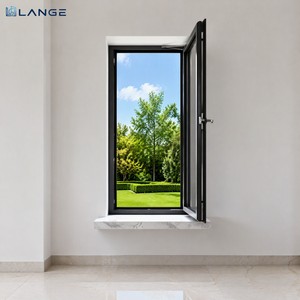
Certified Fenestration Solutions
Featured Subterranean & Architectural Envelope Portfolios
Explore our precision-machined thermal-break window systems, basement egress configurations, and exterior envelope elements built specifically for strict European residential and commercial standards.
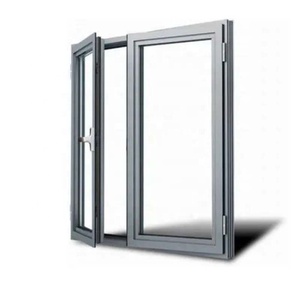
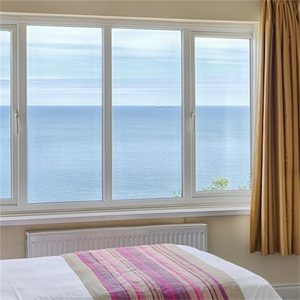
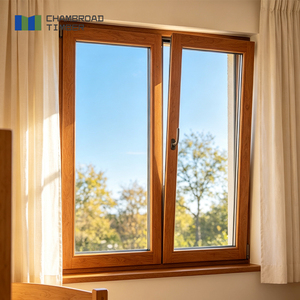
Industry Technical Whitepaper
Engineering Aluminum Basement Windows for the German Fenestration Market
Understanding Building Energy Act (GEG) standards, DIN EN 1627 anti-burglary ratings, and subterranean moisture prevention protocols in German residential and commercial basements.
Thermal Transmittance & GEG 2024 Compliance
Germany's Gebäudeenergiegesetz (GEG) strictly limits window thermal transmittance (Uw). Unconditioned basement conversions into heated "Wohnkeller" living areas mandate Uw values ≤ 0.95 W/(m²K). Our aluminum systems integrate multi-cavity, fiberglass-reinforced polyamide thermal breaks (PA66 GF25) coupled with warm-edge spacer triple glazing to totally eliminate subterranean thermal bridging.
DIN EN 1627 RC2 / RC3 Intrusion Defense
Basement windows (Kellerfenster) and lightwell apertures (Lichtschachtfenster) represent vulnerable entry vectors for burglaries in detached German homes. Our systems feature hardened steel mushroom-cam hardware, anti-drill plates, multi-point perimeter locks, and laminated safety glass (P4A/P5A) meeting German RC2 and RC3 resistance classifications.
Hydrostatic Sealing & Floodwater Resistance
Due to changing climate conditions and torrential precipitation across Bavaria, North Rhine-Westphalia, and Baden-Württemberg, subterranean fenestration demands pressure-tight water tightness. Our specialized basement aluminum windows incorporate vulcanized EPDM center gaskets and back-pressure drainage valleys rated up to Class E900 (EN 12208) against standing floodwaters.
| Performance Criterion | Standard Kellerfenster (Economy) | Our Engineered Aluminum Profile | German Standard (DIN / GEG Baseline) |
|---|---|---|---|
| Thermal Insulation (Uw-Value) | 1.4 - 1.8 W/(m²K) (Double Glazed) | 0.82 - 0.95 W/(m²K) (Triple Glazed Argon) | ≤ 1.30 W/(m²K) (Standard); ≤ 0.95 (Wohnkeller) |
| Burglar Resistance Class | Basic Cam Latches (No Certification) | Certified RC2 / RC3 Options | DIN EN 1627 RC2 N / RC2 Recommended |
| Moisture & Water Tightness | Class 4A (150 Pa pressure) | Class 9A / E900 (Up to 900 Pa hydrostatic) | DIN EN 12208 Class 7A or higher |
| Acoustic Attenuation (Rw) | 28 - 32 dB | 38 - 44 dB (Acoustic Interlayer PVB) | VDI 2719 Sound Insulation Class 3-4 |
| Durability & Corrosion Life | Plastic chalking / Steel oxidation | Qualicoat Class 2 Anodized AlMgSi0.5 | DIN 17611 Marine/Subterranean Grade |
Localized Applications
Engineering Deployments Across German Architectural Typologies
Tailored to the distinctive regional requirements of German urban residences, rural villas, and passive commercial facilities.
Subterranean Living Conversions (Wohnkeller)
With urban real estate soaring in Munich, Frankfurt, and Berlin, builders are optimizing cellar footprints into rental apartments, home offices, and guest suites. Our tilt-turn aluminum units provide maximum optical transparency through slim profiles, satisfying daylighting quotas (DIN 5034) while conforming to regional escape route clearances (LBO Rettungsweg).
High-Water & Flood-Zone Envelopes (Hochwasserschutz)
Municipalities along the Rhine, Elbe, and Danube basins experience severe seasonal water table shifts. Standard casements easily succumb to hydrostatic loads. We engineer specialized basement lightwell windows with vulcanized compression seals and pressure-resistant glass panels that safeguard basements even under prolonged water contact.
KfW Efficiency House Retrofits (KfW-Effizienzhaus)
Renovation subsidies distributed through the KfW Development Bank require rigorous verification of whole-building envelope metrics. Our thermal break profiles feature airtight Class 4 gaskets (DIN EN 12207) preventing uncontrolled air exchange, thus qualifying properties for top-tier KfW 40 and KfW 55 funding allocations.
Emerging Trajectories
German Market Trends: The Decisive Shift from uPVC to Aluminum
Why modern German architects, developers, and homeowners are replacing traditional PVC basement hoppers with precision aluminum architectural systems.
1. Circular Economy & Cradle-to-Cradle (C2C)
The German construction industry leads the EU in stringent circularity mandates. Unlike multi-layered plastic profiles that degrade in scrap recycling, our aluminum alloys (6063-T5 / 6060-T66) are 100% infinitely recyclable without mechanical property degradation, allowing developers to attain DGNB and LEED Gold accreditations with clear Environmental Product Declarations (EPDs).
2. Smart Ventilation & Decentralized Heat Recovery
Basement spaces suffer from mold risks (Schimmelpilzbildung) when hermetically sealed. The market is shifting from manual tilting to smart windows equipped with integrated decentralized ventilation slots and automated sensor-driven micro-opening capabilities, balancing continuous dehumidification with zero thermal loss.
3. Minimalist Profiles & Flush Concrete Installation
Aesthetic expectations for modern basements have merged with luxury above-ground standards. Flush-mount frame details that cast directly into insulated concrete forms (Dreifachwand/Fertigteilkeller) eliminate awkward interior reveals, maximizing natural light transmittance via slim sightline aluminum geometries.
Global Manufacturing Authority
Guangdong Dejiyoupin Doors and Windows Co., Ltd. (DERCHI)
As an industry-leading manufacturer recognized among the Top 10 Door & Window Brands, DERCHI operates an ultra-modern 180,000 m² production base backed by more than 25 years of engineering experience. We specialize in precision custom aluminum fenestration, cast aluminum structures, and security entry solutions for demanding global markets.
Our engineering division bridges direct Chinese manufacturing efficiency with the highest German technical standards. Having proven our quality across demanding projects in the UK, USA, Australia, and the Middle East—competing alongside benchmark European brands such as Schüco—our facility delivers custom CAD shop drawings, CE-compliant test verifications, and comprehensive door and window schedules built strictly to project specification.

180,000m²
Advanced Production Area
600+
Technical Specialists & Engineers
100+
Certificates & Technical Patents
25+
Years of Manufacturing Heritage
Direct Answers
German Buyer & Contractor Sourcing FAQ
Critical technical and logistical clarifications for German general contractors, architects, and importers.
How do DERCHI aluminum profiles satisfy German GEG regulations?
Our profiles integrate polyamide (PA66 GF25) thermal insulation strips up to 34mm deep. Combined with triple-glazed units filled with 90% Argon gas and warm-edge TGI/Swisspacer bars, our products easily yield whole-window Uw values between 0.82 and 0.95 W/(m²K), compliant with both GEG residential standards and passive house parameters.
Can you provide hardware compatible with German tilt-turn standards (Dreh-Kipp)?
Yes. We natively configure our windows with certified European standard groove systems (Euro-Groove), integrating genuine German hardware such as Siegenia, Roto, or HOPPE handles. This guarantees standard German handling functionality, micro-ventilation settings, and simplified on-site maintenance.
Are certificates like CE and ISO 9001 available for municipal building approvals?
Absolutely. All export orders include complete CE Declarations of Performance (DoP), comprehensive factory ISO 9001 quality audit documentation, structural calculations, and wind/water tightness reports complying with EN 14351-1, streamlining sign-offs with local German building authorities (Bauamt).
What are the lead times and container shipping logistics for German ports?
Production lead times average 25–35 days following approval of CAD shop drawings. Shipments arrive via ocean freight at the ports of Hamburg or Bremerhaven in approximately 28–32 transit days. All products are crated in export-grade, fumigated plywood cases with moisture desiccants to prevent transit corrosion.
Connect with our Structural Engineering Desk
Send your project blueprints, window schedules, or rough opening dimensions for instant thermal modeling, static verification, and direct factory pricing.
Inquire Now