Engineered Aluminum Corner Window Systems for Central America
Custom structural glass joints, thermally broken multi-cavity extrusions, and salt-spray anodized finishes tailor-made to withstand the extreme microclimates of Costa Rica.
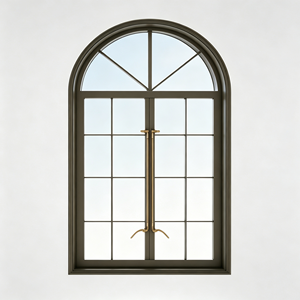
Retro Outward Swing Double Glazed Insulated Arch French Casement Window
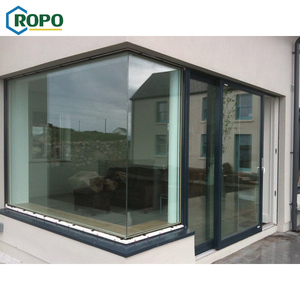
AS2208 Hurricane Impact Insulated Glass Floor Corner Fixed Picture Window
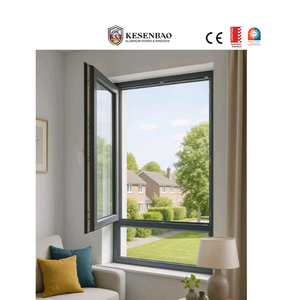
NFRC CE AS2047 Slim Frame Aluminum Tilt Turn Corner Integrated System
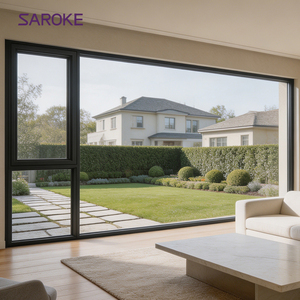
Child-Safe Rounded Corner Protection Triple Glazed Security Casement Window
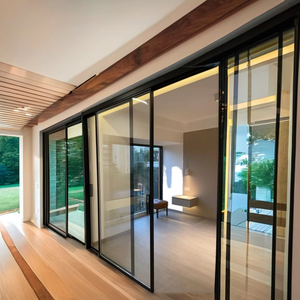
Extra Light Frameless Edge Garden View 90° Corner Fixed Glass System
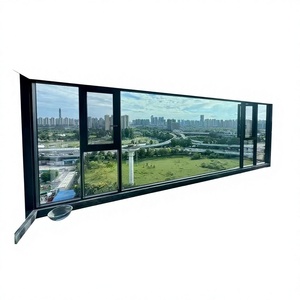
Thermal Break Aluminum Panoramic 270° Curved Structural Corner Window
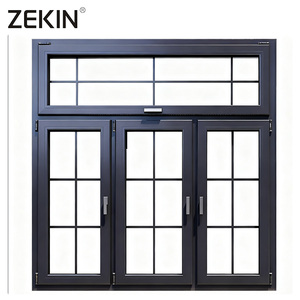
Villa Hurricane-Proof Structural Heavy-Duty Thin Profile Casement Window
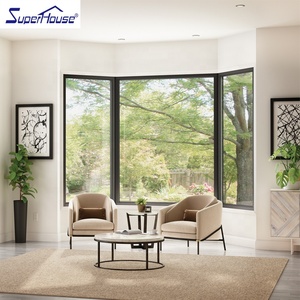
Modern Luxury Villa Oversized Mullion-Free Architectural Corner Picture Window
Climatic Adaptation: Engineering Corner Windows for Costa Rica
From the salt-laden atmospheric currents of Guanacaste's Gold Coast to the torrential rainfall of the Central Valley, aluminum fenestration demands meticulous material science.
Pacific Coastal Villas (Papagayo & Tamarindo)
Marine environments require Qualicoat Class 2 fluorocarbon (PVDF) coatings or 25μm deep anodized architectural aluminum to resist severe chloride salt spray. Corner windows eliminate blind structural supports, harnessing panoramic views of the Pacific while deflecting high thermal radiation via Low-E soft-coat glazing.
Highland Escapes (Escazú, Santa Ana & Heredia)
In high-elevation zones subject to heavy precipitation and daily temperature swings, polyamide PA66 thermal barrier profiles prevent interior surface condensation. High acoustic damping (STC ≥ 40 dB) seals off suburban transit corridors while maintaining indoor thermal neutrality without continuous AC cycling.
Cloud Forest & Eco-Lodges (Monteverde & Manuel Antonio)
Sustainable biometric retreats leverage frameless 90-degree corner joints to blur the perimeter between opulent living space and rainforest canopies. Enhanced water-tightness systems (rated to AS 2047 N6 standards) withstand monsoon rainstorms reaching wind velocities up to 250 km/h.
Fenestration Specification Matrix: Tropicalized Performance
Direct comparison between standard export windows and DERCHI engineered tropical systems.
| Technical Parameter | Conventional Commercial Window | DERCHI Engineered Corner System | Costa Rica Architectural Benefit |
|---|---|---|---|
| Alloy Metallurgy | Recycled 6063 Aluminum (Standard) | Virgin 6063-T6 Structural Billet Extrusion | Higher tensile strength; prevents sag on oversized corner glass loads |
| Corner Jointing Technology | Bulky corner mullions with mechanical screws | Structural silicone butt-joint or integrated slim hidden post | Unobstructed 270° and 90° ocean/canopy visibility |
| Surface Protective Finish | Standard Powder Coat (40–60μm) | Fluorocarbon PVDF 3-Coat / Coastal Marine Anodizing | Withstands intense UV index (11+) and saline corrosion in Puntarenas/Guanacaste |
| Wind & Rain Resistance | Water penetration limit ≤ 250 Pa | AS 2047 Certified N6 Rating (≥ 4500 Pa Structural) | Zero leakage during tropical tropical storms and hurricane-force gusts |
| Thermal & Solar Transmission | Clear Single / Basic Float Double Glass | Double/Triple Tempered Low-E + Argon Filled (SHGC ≤ 0.28) | Reduces HVAC cooling loads by up to 34% in warm coastal regions |
The Shift Towards Biophilic Living and Seamless Corner Glazing
Costa Rica has positioned itself as the international apex of biophilic luxury and sustainable design. Architects designing throughout Nosara, Santa Teresa, and the Central Valley increasingly mandate expansive corner picture windows that dissolve visual boundaries.
The traditional post-and-lintel window configuration creates dark corners and visual breaks that contradict modern open-concept aesthetics. By integrating cantilevered structural engineering with high-performance glass-to-glass butt joints, DERCHI corner systems transform dead wall junctions into panoramic focal points.
Moreover, developers are balancing large glazed surfaces with national decarbonization mandates. Our high-efficiency polyamide thermal-break systems satisfy stringent international building envelope benchmarks without sacrificing architectural bravura.
Guangdong Dejiyoupin Doors & Windows: Direct Manufacturing Authority
Operating from our 180,000 m² state-of-the-art production base staffed by over 600 skilled fabricators and engineers, DERCHI is an undisputed leader among the Top 10 door and window manufacturers.
With more than 25 years of specialized export fabrication, we have successfully fulfilled elite architectural projects across the United States, Canada, the Caribbean, and Central America. When purchasing for Costa Rican developments, you eliminate intermediaries and work directly with the factory engineering your systems.
Every profile is cut, CNC machined, and structurally sealed under strict ISO 9001 quality protocols. We provide complimentary CAD shop drawings, structural wind-load calculations, and complete coordination with local freight forwarding channels into Puerto Caldera or Puerto Limón.

Frequently Asked Questions: Sourcing Windows for Costa Rica
Direct technical and logistical answers for architects, general contractors, and developers across Costa Rica.
How do aluminum corner windows perform against high humidity and salt spray in coastal Costa Rica?
Can your factory supply custom hurricane impact-rated glass to meet seismic and wind codes?
What is the logistical procedure for shipping containers to Puerto Caldera or Puerto Limón?
Do you assist with CAD shop drawings and architectural coordination?
What is the lead time from shop drawing sign-off to delivery?
Plan Your Next Costa Rican Development with DERCHI
Direct factory pricing, world-class German extrusion tolerances, and specialized tropicalized engineering. Connect with our technical export division to review your project blueprints.
Get Catalog