Thermal Break
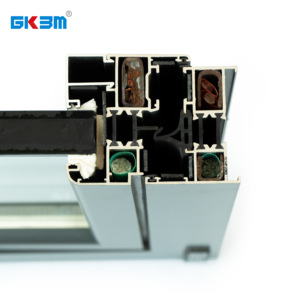
GKBM Anthracite Grey Double-Glazed Thermal Break Casement Window
- Wind Resistance: TS EN 12210 Class C5
- Thermal U-Value: 1.4 W/m²K (TS 825 Compliant)
- Profile Alloy: 6063-T6 Marine-Grade
Engineered to mitigate harsh Bosphorus channel vortexes, Marmara coastal storms (Lodos/Poyraz), and demanding Turkish seismic codes (TBDY 2018). Factory-direct custom fabrication dispatched directly to Haydarpaşa and Ambarlı container ports.
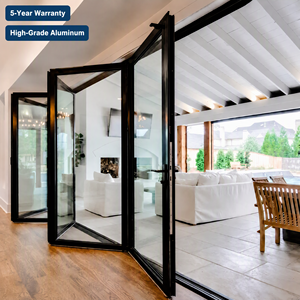
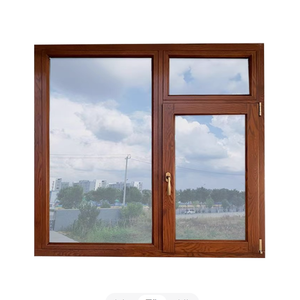
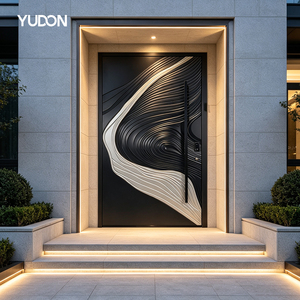
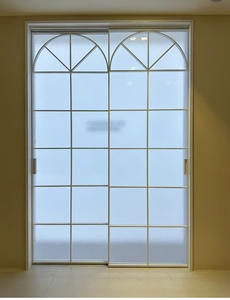
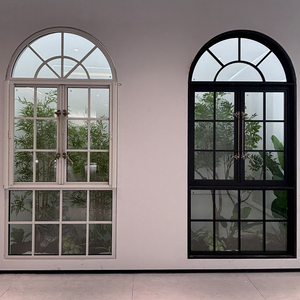
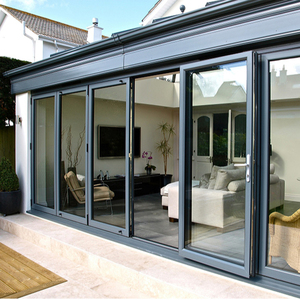
Straddling two continents across the Bosphorus Strait and the Sea of Marmara, Istanbul presents a demanding microclimatic challenge: high gust speeds from the northeast (Poyraz) and southwest (Lodos), intense marine salinity, and stringent seismic requirements under the Turkish Building Earthquake Code.
Istanbul’s microclimate alternates between extreme sub-zero Poyraz gales channeled down from the Black Sea and high-humidity, storm-force Lodos squalls from the Marmara Sea, frequently generating dynamic gust pressures over 2,400 Pa. Standard residential fenestration experiences frame racking, gasket whistle, and seal degradation. DERCHI hurricane-rated profiles are reinforced with internal multi-cavity titanium-aluminum alloy extrusions that deliver TS EN 12210 Class C5 structural rigidity, resisting frame deflection of up to L/300 under extreme vortex suction along high-rise building envelopes.
Situated directly adjacent to the active North Anatolian Fault Zone, Istanbul architectural specifications enforce rigorous seismic inter-story drift limits under the Turkish Building Earthquake Code (TBDY 2018). Fenestration must absorb substantial lateral shear without glass shattering or frame blowout. Our engineering systems incorporate isolated perimeter anchor shoes, continuous flexible structural silicone pocket glazing, and multi-axis adjustable anchoring brackets that allow ±18mm building movement without transferring destructive stress to the impact-laminated glass panes.
Façades fronting the Golden Horn, Bosphorus, and Princes’ Islands face relentless sodium chloride exposure and airborne particulate corrosion. Standard powder coatings pit and blister within three seasons. DERCHI exports to Istanbul with minimum 25-micron Qualicoat Seaside Class 2 anodized or AkzoNobel 70% Kynar 500 PVDF fluorocarbon coatings. Accompanied by 316-grade marine stainless steel gearing, our assemblies pass 3,000-hour neutral salt-spray (NSS) test cycles, guaranteeing pristine operation in coastal environments.
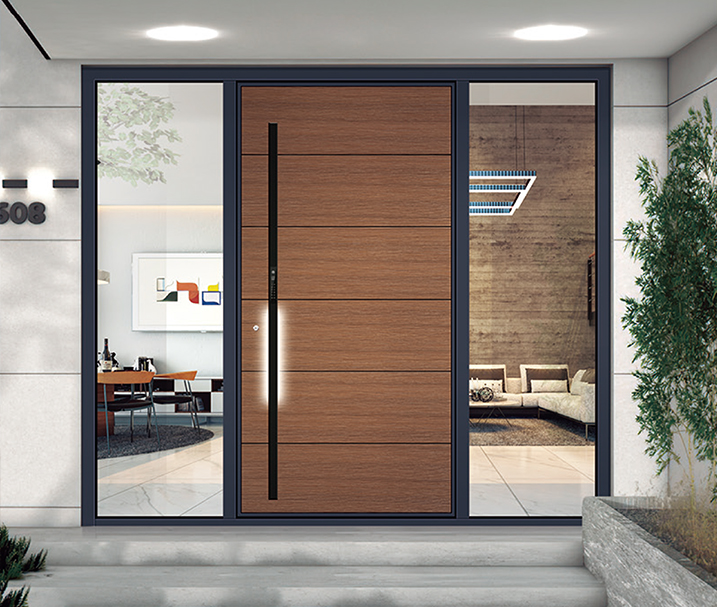
Historic waterfront properties require strict adherence to silhouette authenticity while demanding supreme wind, wave-splash, and dampness resistance. Our aluminum-clad wood and thermal break French arched windows harmonize historic woodwork elegance on the interior with weather-defying 6063-T6 aluminum shells externally.

Skyscrapers located in Istanbul's business districts experience extreme vortex shedding at elevations above 100 meters. Our heavy-duty lift-and-slide doors and structural curtain casements incorporate laminated SentryGlas interlayers, preventing atmospheric pressure pop-out and eliminating howling wind whistles.

Under Turkey’s ongoing urban renewal mandate, aging concrete tenements are being replaced by earthquake-resilient luxury residential blocks. DERCHI partners directly with Turkish contractors, delivering containerized, pre-glazed, pre-hung window systems that slash site installation timelines by up to 40%.
Understanding the confluence of Turkish Energy Performance Standards (TS 825), seismic structural design protocols, and modern acoustic comfort parameters.
Istanbul falls firmly into Turkey’s Region 2 climatic zone. Under recent regulatory tightenings for energy performance certificates (Enerji Kimlik Belgesi - EKB), overall building window-to-wall thermal transmittance (Uw) values are targeted below 1.5–1.8 W/m²K. Conventional uninsulated aluminum profiles are no longer viable for new permit submissions.
DERCHI solves this compliance hurdle by integrating imported Technoform polyamide PA66-GF25 thermal barrier struts ranging from 24mm to 34mm wide, engineered with multi-chamber aerogel and foam insulation inserts. Coupled with argon-gas-filled Low-E laminated glass, our systems achieve certified Uw metrics as low as 1.1 W/m²K, easily surpassing municipal thermal efficiency audits.
| Performance Metric | Turkish Standard Code | Standard Local Window | DERCHI Hurricane Grade |
|---|---|---|---|
| Wind Resistance | TS EN 12210 | Class B3 (1200 Pa) | Class C5 / AS 2047 N6 (3000+ Pa) |
| Watertightness | TS EN 12208 | Class 4A (150 Pa) | Class 9A / E1050 (600 - 1050 Pa) |
| Air Permeability | TS EN 12207 | Class 2 (300 Pa) | Class 4 Maximum Air Tightness |
| Seismic Inter-Story Drift | TBDY 2018 Sec. 7 | Rigid / Non-Flexible | ±18mm Seismic Anchor Decoupling |
| Impact Missile Test | ASTM E1996 / EN 356 | Untested (Standard Tempered) | Large Missile Level D (9-lb lumber) |
| Thermal Transmittance (Uw) | TS 825 Class 2 | 2.8 - 3.4 W/m²K | 1.1 - 1.4 W/m²K (Low-E Argon) |
Guangdong Dejiyoupin Doors and Windows Co., Ltd. (DERCHI) operates one of Asia’s largest specialized door and window industrial hubs in Foshan, China. Spanning 180,000 square meters with over 600 full-time technicians and engineers, we eliminate tier-two markups and inconsistent fabricator quality.
Our fenestration engineering is backed by more than 100 patents and formal global accreditations—including CE marking for direct European customs release, ISO 9001 quality management, UL fire-rated certifications, and Australia's elite AS 2047 N6 cyclonic testing protocol. We provide free shop drawings (AutoCAD and BIM Revit) customized to Turkish rough opening dimensions and facade structural deflection models.
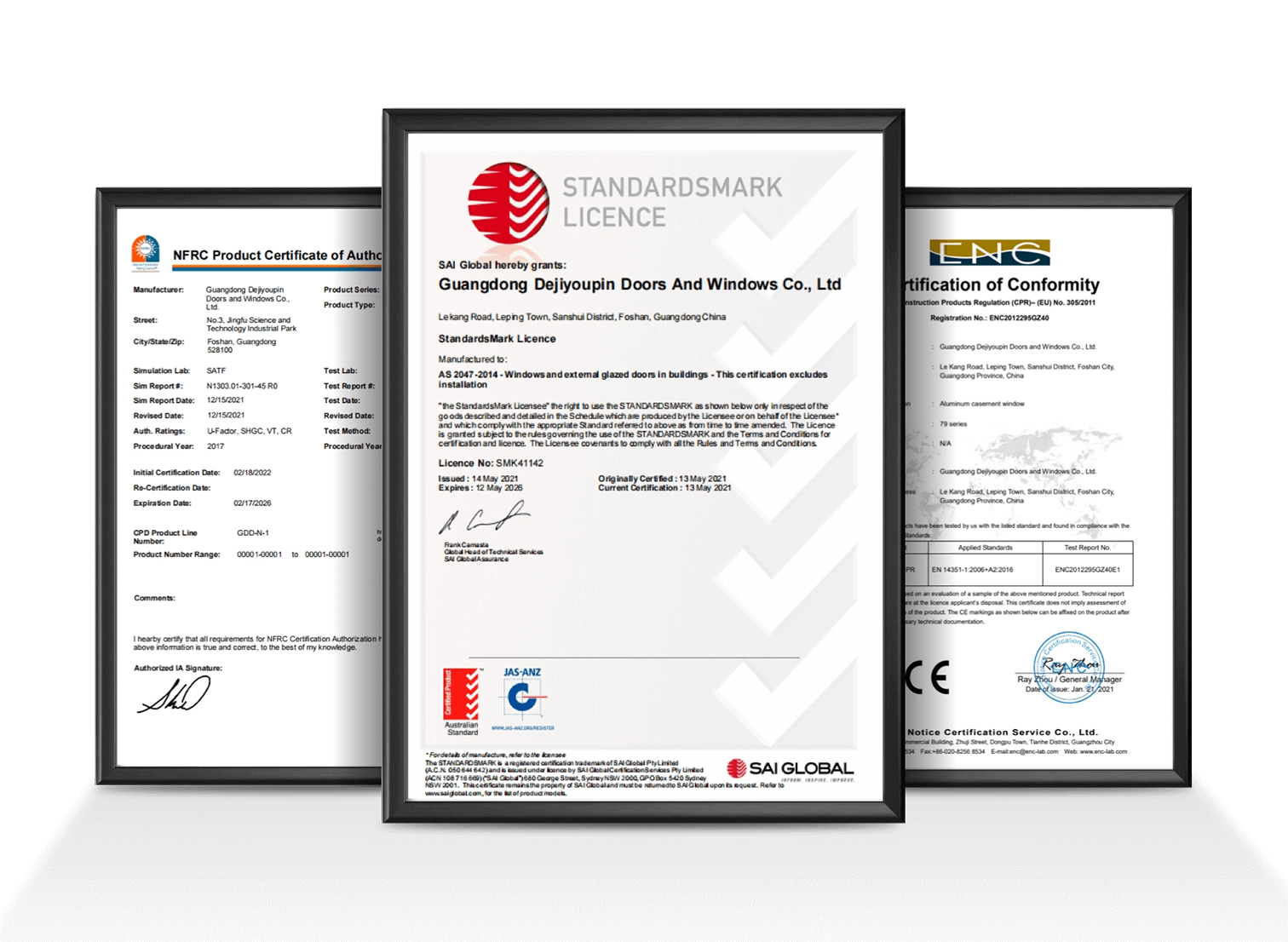
Send your Turkish architectural elevation schedules. Our design office returns comprehensive structural profiles, anchor details, and seismic thermal-break schematics for engineering sign-off.
Direct logistics dispatch to Ambarlı Port (European side) and Haydarpaşa Port (Asian side). All units are packed in reinforced, fumigated steel-corner wooden export crates with moisture absorbers.
Dedicated English- and bilingual-speaking façade engineers responsive throughout Istanbul construction business hours (GMT+3), ensuring zero communication bottlenecks.
Complete structural backing covering aluminum extrusion integrity, multi-point lock hardware cycles (100,000 movements), surface finish resistance, and insulated glass hermetic seals.
Key technical, legal, and operational considerations for Turkish general contractors, architects, and private estate developers.