Engineered Aluminium Insert Window Systems for Austrian Specifiers
Custom-fabricated OEM/ODM insert systems engineered for high-performance curtain walls, structural masonry, and energy-retrofit sub-frames across Vienna, Salzburg, Tyrol, and Upper Austria.
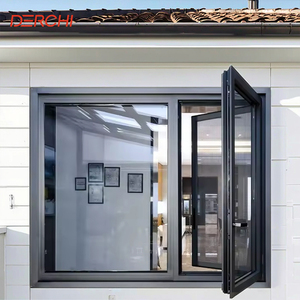
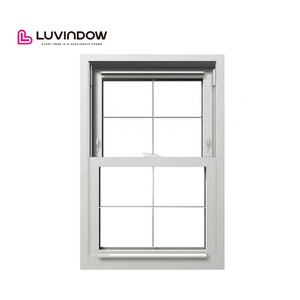
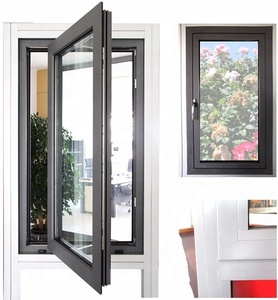
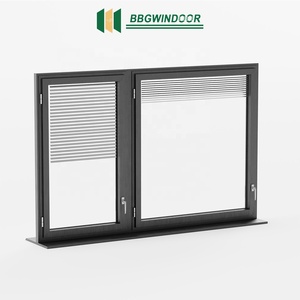
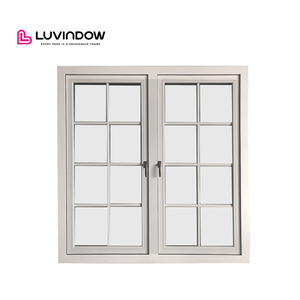
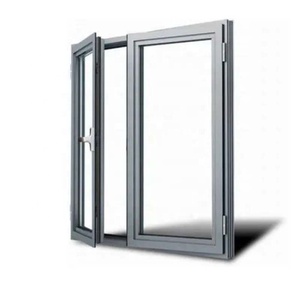
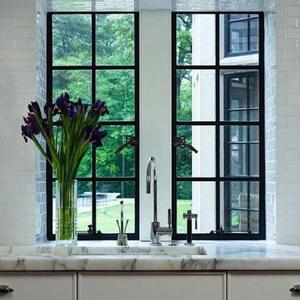
Engineered for Austria: Alpine Climate Dynamics & ÖNORM Protocols
How precision aluminium insert window systems solve distinct structural, thermal, and regulatory challenges throughout the Republic of Austria.
The Austrian Fenestration Landscape: Standards, Elevations & Sub-Frame Integration
Procuring architectural fenestration for the Austrian commercial and residential sectors requires far more than aesthetic versatility. Austria's architectural framework is governed by rigorous technical standards, notably ÖNORM B 5320 (covering the design and execution of window and door connections to the building structure) and the stringent energy thresholds formulated by the Austrian Institute of Construction Engineering (OIB Richtlinie 6). For Austrian general contractors, facade engineers (Fassadenbauer), and property developers, aluminium insert windows (Fenstereinsatzelemente) serve as the vital link between structural curtain wall profiles, concrete precast elements, or preserved historic masonry openings.
As an OEM/ODM manufacturing partner equipped with multi-axis CNC machining, structural extrusion lines, and comprehensive CE/EN testing, our factory engineers thermal-break aluminium insert units that slot directly into stick curtain walling (Pfosten-Riegel-Fassaden) and structural sub-frames. By integrating advanced polyamide PA66 GF25 thermal insulation strips, triple-pane insulating glass units (IGU) with warm-edge spacers, and vulcanized EPDM triple sealing gaskets, our insert windows reliably achieve overall thermal transmittance values (Uw ≤ 0.80 to 1.0 W/(m²·K)), fulfilling Austrian KfW/Passivhaus building envelope mandates.
Alpine Snow Loads & Extreme Temperature Deltas
Projects in Tyrol, Vorarlberg, and Carinthia experience extreme seasonal temperature fluctuations from -25°C in winter to +35°C in summer. Our insert windows feature bi-metallic expansion-relieved profile designs that counteract thermal bowing, combined with Class E1200 water tightness under heavy alpine driving rain.
Vienna Altbau Renovation & Historical Sub-Frames
Vienna's massive portfolio of Gründerzeit Altbau buildings demands the replacement of drafty box-type windows (Kastenfenster) without altering the historic facade proportions. Our ultra-slim insert sash profiles slot directly into existing or adapted structural jambs, delivering modern acoustic attenuation (Rw ≥ 42 dB) while honoring heritage sightline restrictions.
Commercial Curtain Wall & Unitized Facades
Designed for seamless insertion into standard European 50mm and 60mm mullion-transom systems across corporate parks in Linz, Graz, and Vienna. Our factory provides custom adapter gaskets, structural glazing clips, and concealed sash options that maintain clean, monolithic building envelope aesthetics.
Technical Specification Benchmarks: Austrian Standards (ÖNORM) vs. Our OEM/ODM Capability
Direct comparison of key fenestration metrics required by Austrian building authorities and our custom manufacturing parameters:
| Performance Characteristic | ÖNORM / EN Regulatory Minimum | Austrian Passive House Benchmark | Factory Direct OEM/ODM Specification |
|---|---|---|---|
| Thermal Transmittance (Uw) | ≤ 1.40 W/(m²·K) (OIB RL 6) | ≤ 0.80 W/(m²·K) | Down to 0.76 W/(m²·K) (Triple IGU + Krypton/Argon) |
| Air Permeability (EN 12207) | Class 3 | Class 4 (< 0.75 m³/h·m at 100 Pa) | Class 4 Verified (Co-extruded continuous EPDM) |
| Watertightness (EN 12208) | Class 7A (300 Pa) | Class 9A / E900 (900 Pa) | Class E1200 (1200 Pa tested for Alpine exposure) |
| Wind Load Resistance (EN 12210) | Class C3 | Class C4 / C5 | Class C5 (High-strength 6063-T6 / 6061-T6 alloy) |
| Acoustic Insulation (Rw) | Rw ≥ 33 dB (Standard Urban) | Rw ≥ 42 dB (High Traffic Zone) | Up to 46 dB (Laminated acoustic acoustic interlayer) |
| Burglary Resistance (EN 1627) | RC1N / RC2 | RC2 / RC3 | RC2 to RC3 (Multi-point perimeter locking + mushroom cams) |
Fenestration Development Trends in Austria
Key drivers transforming demand for aluminium insert profiles across residential, commercial, and institutional projects.
Austrian "Sanierungsbonus" & Green Refurbishment
The Austrian Federal Government's enhanced renovation subsidies (Sanierungsbonus) offer extensive incentives for replacing outdated fenestration. Builders increasingly specify factory-prefabricated aluminium insert windows because their quick-mounting structural clips slash on-site scaffolding and labor hours in central Vienna, Linz, and Graz.
Integrated Solar Shading (Raffstoren & Screen Inserts)
With hot Austrian summers triggering rigorous cooling load regulations in OIB Guideline 6, exterior and cavity-integrated venetian blinds (Raffstoren) have become standard. Our factory produces insert frames engineered with pre-routed thermal sub-head channels and built-in blind cavities that maintain air-barrier integrity without thermal bridging.
Decarbonization & Low-Carbon Recycled Billets
Austrian institutional clients and DGNB/ÖGNI green building certifications strictly audit embodied carbon. We supply custom extrusions manufactured from prime low-carbon hydroelectric-smelted aluminium billets and post-consumer scrap, accompanied by comprehensive Environmental Product Declarations (EPD).
Why Austrian General Contractors & System Houses Partner With Us
Direct from our 180,000 m² production powerhouse to Austrian logistics terminals—eliminating layers of trading margins.
180,000 m² Intelligent Production Base
Our expansive industrial complex houses 4 automated extrusion presses, robotic vertical powder-coating towers, CNC machining lines from Germany and Italy, and automated insulating glass lines capable of handling jumbo-size structural inserts.
25+ Years Industrial Fenestration Heritage
With more than a quarter-century of fenestration research, we employ over 600 skilled technicians, metallurgists, and structural facade specialists dedicated to producing zero-defect building envelopes for global markets.
Free CAD/BIM Shop Drawings & Submittals
Our in-house technical department produces turnkey 2D DWG connection details, 3D Revit BIM models, and structural windload calculations tailored to your Austrian construction schedule before extrusion cutting begins.
Frequently Asked Questions: Austrian B2B Fenestration Procurement
Answers to technical, regulatory, shipping, and custom manufacturing inquiries frequently raised by Austrian architects and builders.
ÖNORM B 5320 dictates the three-plane sealing principle: vapour-permeable windproofing on the exterior, thermal/acoustic core insulation, and airtight vapour barrier on the interior. Our factory pre-engineers perimeter adapter channels, pre-fitted multi-functional expanding tape grooves, and EPDM gasket collars that allow your Austrian installation crews to achieve air-tight Blower Door test compliance without profile modifications.
Yes. Our automated horizontal and vertical coating lines utilize genuine AkzoNobel, Tiger Drylac, and Axalta thermosetting powders. We supply standard Austrian favorites such as DB 703 micaceous iron ore effect, RAL 7016 (Anthracite Grey), RAL 9005 (Jet Black), and anodized finishes up to 25 microns (Qualanod), certified for Qualicoat Class 2 / Seaside heavy-exposure environments.
We regularly handle CIF European ports (Rotterdam, Hamburg, or Koper) and DDP (Delivered Duty Paid) consignments directly to Austrian project warehouses or jobsites in Vienna, Linz, or Innsbruck. Products are packed inside heavy-duty, moisture-sealed fumigated plywood crates with glass shock indicators. All customs documentation, including TARIC codes, EUR.1 origin proofs, and CE Declarations of Performance (DoP), are coordinated seamlessly.
Absolutely. Our profiles are machined with standardized Euro-groove (16mm Euronut) sash channels. We directly integrate high-grade concealed or surface-mounted Dreh-Kipp systems from Siegenia, Roto Frank, or Sobinco, ensuring familiar ergonomics, micro-ventilation settings, and long-term hardware availability for Austrian building maintenance teams.
Send us your architectural elevation, rough opening schedules (Rohbaumaße), and structural curtain wall sections. Our senior fenestration engineers generate full-scale CAD shop drawings illustrating sill drip pans (Fensterbankanschlüsse), expansion compensation adapters, and thermal barrier alignment for your approval prior to manufacturing.
Standard project schedules: CAD approval and extrusion die preparation (if non-standard custom profile) take 10-14 days; manufacturing, powder coating, IGU assembly, and multi-point QC inspection take 25-30 days; transit time via sea freight to European ports ranges between 26-32 days. Accelerated air/rail freight options via the China-Europe Railway Express (direct to Vienna/Duisburg) are available for critical project timelines.
Ready to Engineer Your Austrian Project's Insert Windows?
Connect directly with our senior fenestration engineering department. We evaluate your window schedules, tender specifications (Ausschreibungsunterlagen), and U-value requirements to provide factory-direct cost estimates within 24 hours.