1 / 5

Louvers originated in the Middle Ages as lantern-like constructions in wood that were fitted on top of roof holes in large kitchens to allow ventilation while keeping out rain and snow.
They were originally rather crude constructions consisting merely of a barrel. Later they evolved into more elaborate designs made of pottery, taking the shape of faces where the smoke and steam from cooking would pour out through the eyes and mouth, or into constructions that were more like modern louvers, with slats that could be opened or closed by pulling on a string.
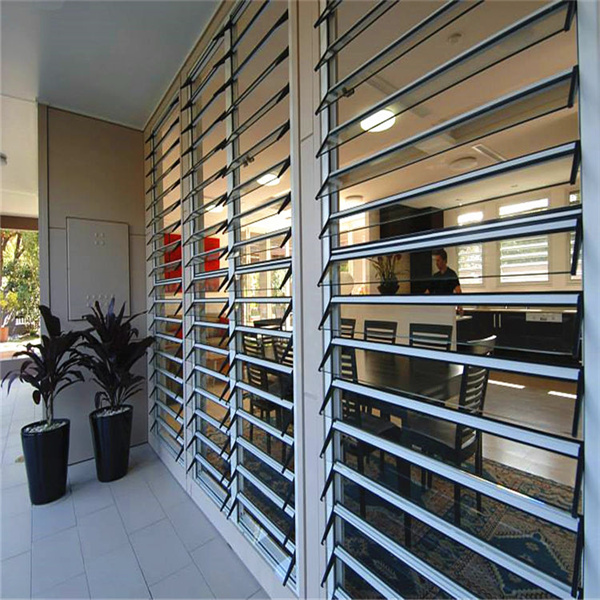
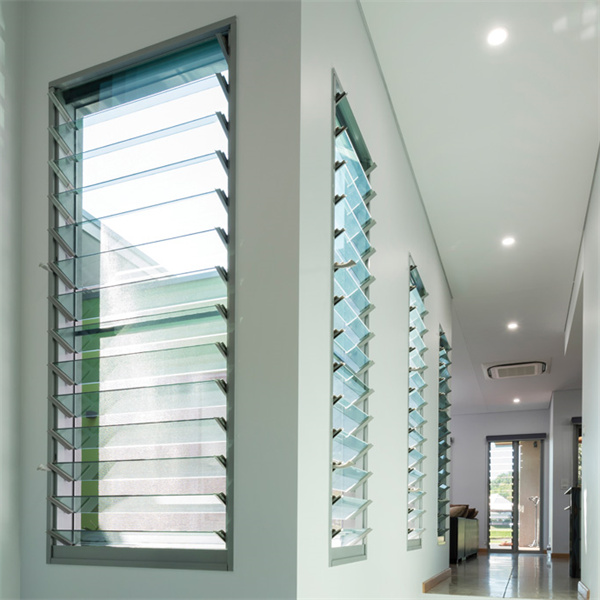
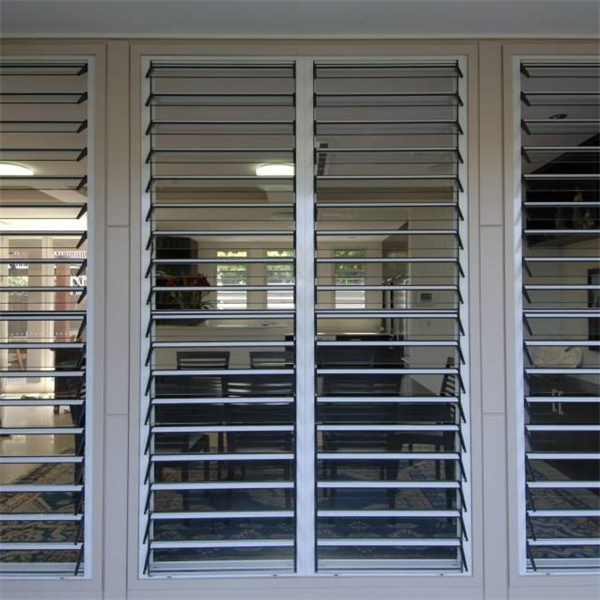
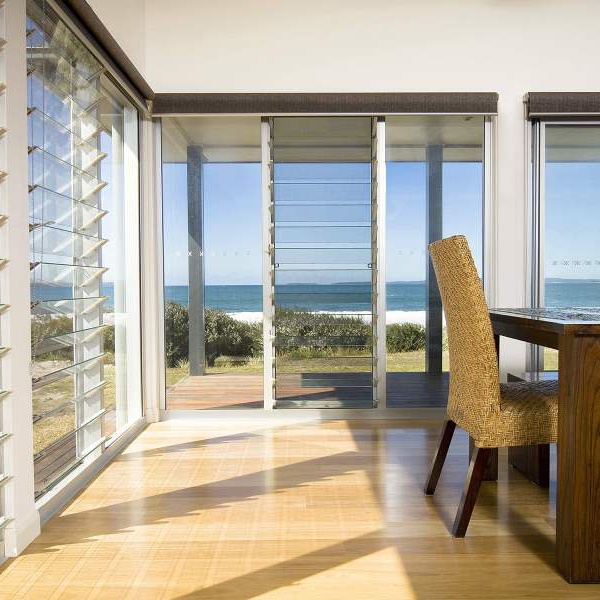
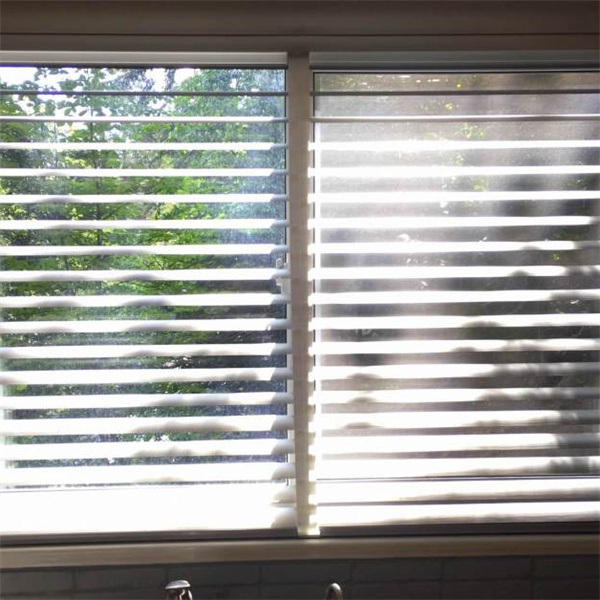
Modern louvers are often made of aluminium, metal, wood, or glass. They may be opened and closed with a metal lever, pulleys or through motorized operators.
Some modern louver systems serve to improve indoor daylighting. Fixed mirrored louver systems can limit glare and redirect diffuse light. Such louvers may be integrated in between two panes of double glazing.
Louvers are rarely seen as primary design elements in the language of modern architecture, but rather simply a technical device. However, there are examples of architects who use them as part of the overall aesthetic effect of their buildings. The most wellknown example is Finnish modernist architect Alvar Aalto who would create aesthetic effects in the facades of his buildings through the combination of different types and sizes of louvers, some fixed some moveable, and made mostly from wood (e.g. the various buildings of the Helsinki University of Technology). A second example, taking influence from Aalto, is the second-generation modernist architect Juha Leiviskä.
In industrial facilities such as steel foundries and power plants, louvers are very common. They are utilized for natural ventilation and temperature control.
Flood louvers or flood vents are openings at the base of a building, covered by one or more moving flaps. They are designed to allow floodwaters to enter and leave the building, equalizing hydrostatic pressure on the walls and mitigating structural damage due to flooding.
Louvers are used as semi-passive means of thermal control on spacecraft as well. They are also available as an accessory for some automobiles.
Louvers may also be used on traffic light lenses to prevent traffic from seeing the wrong traffic signal.
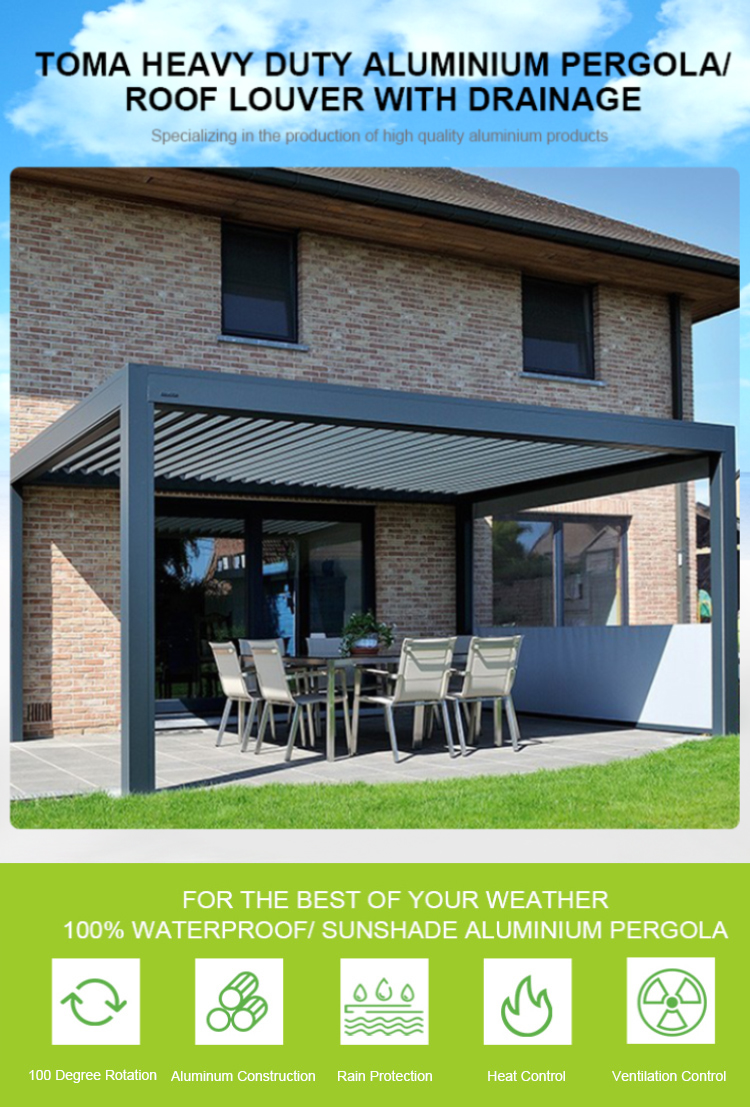
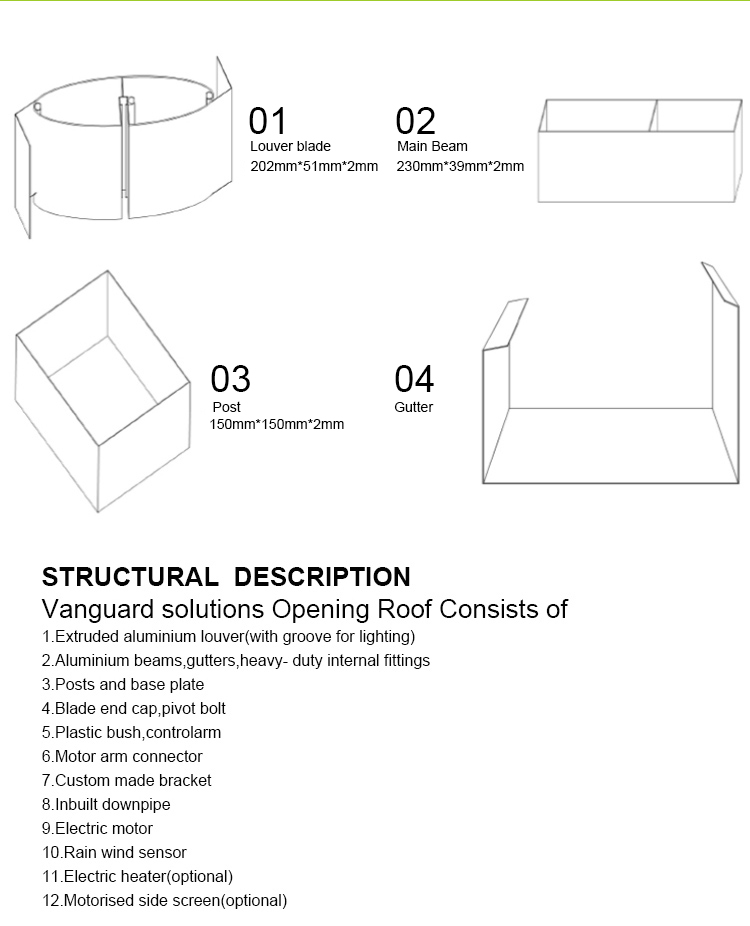
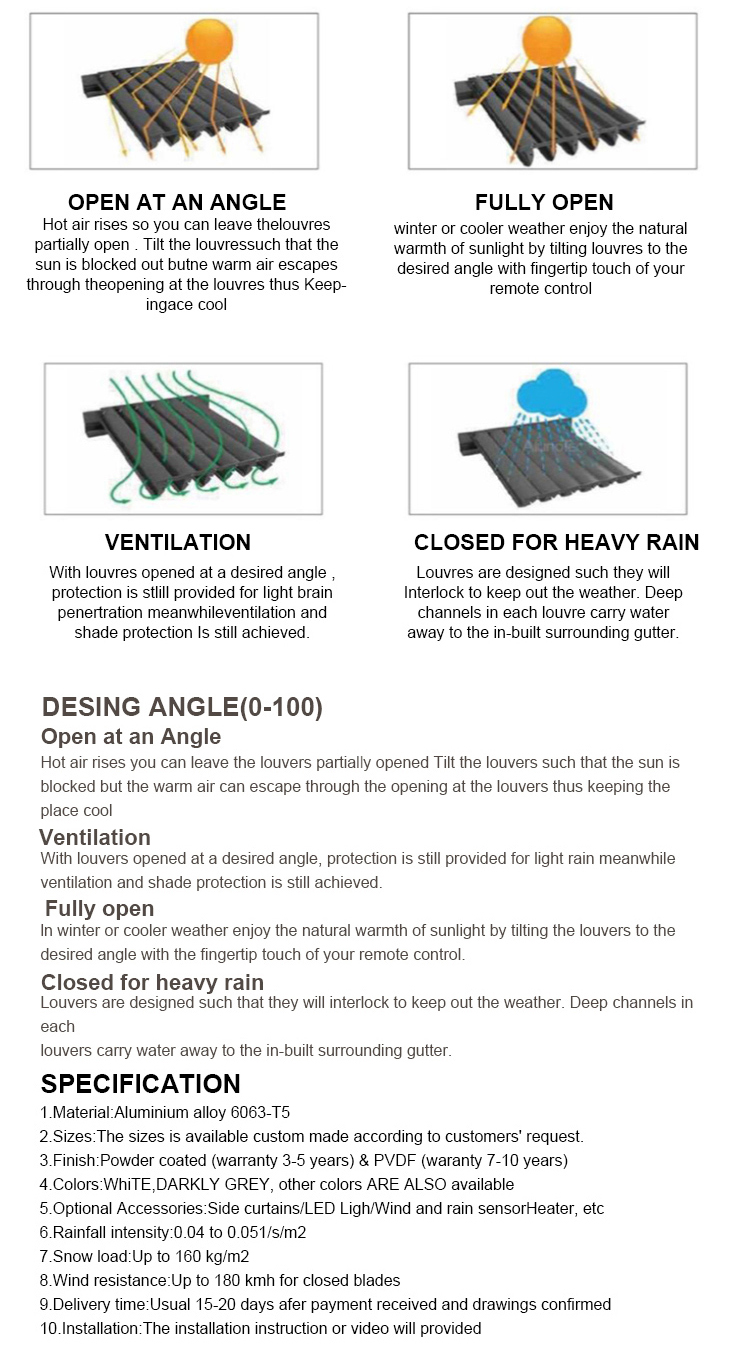
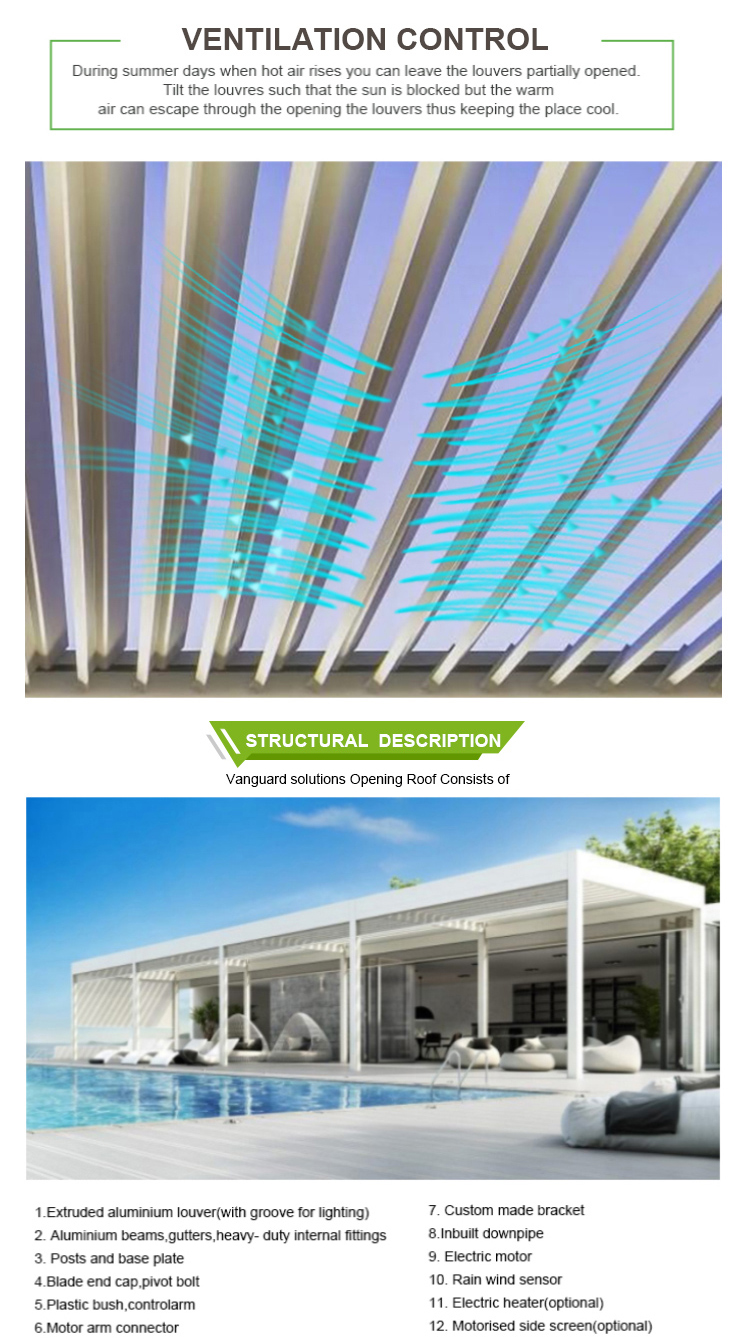
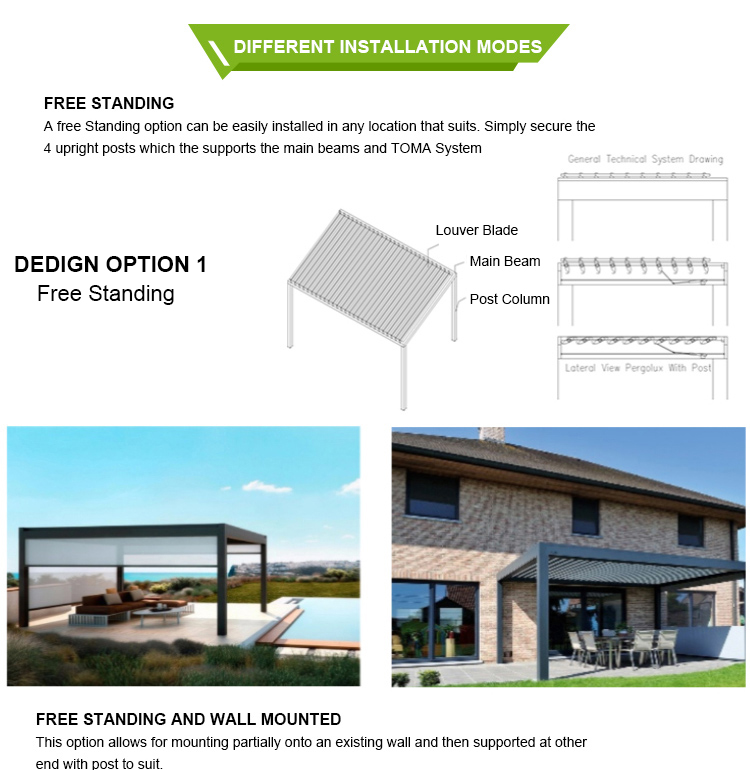
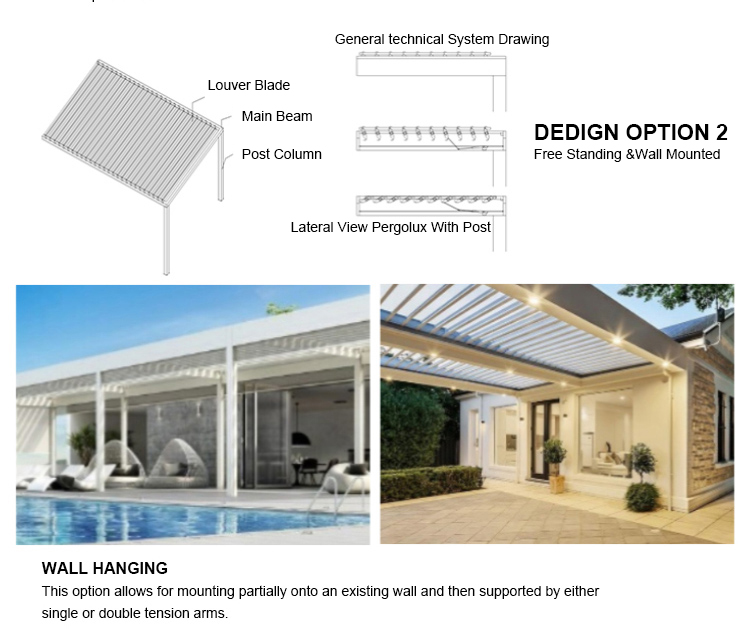
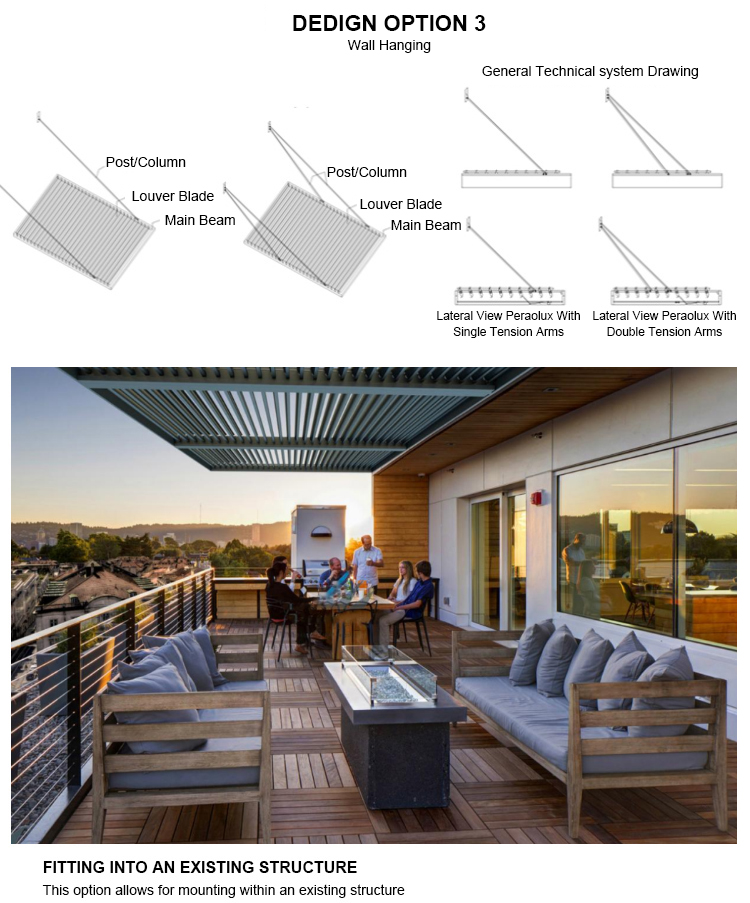
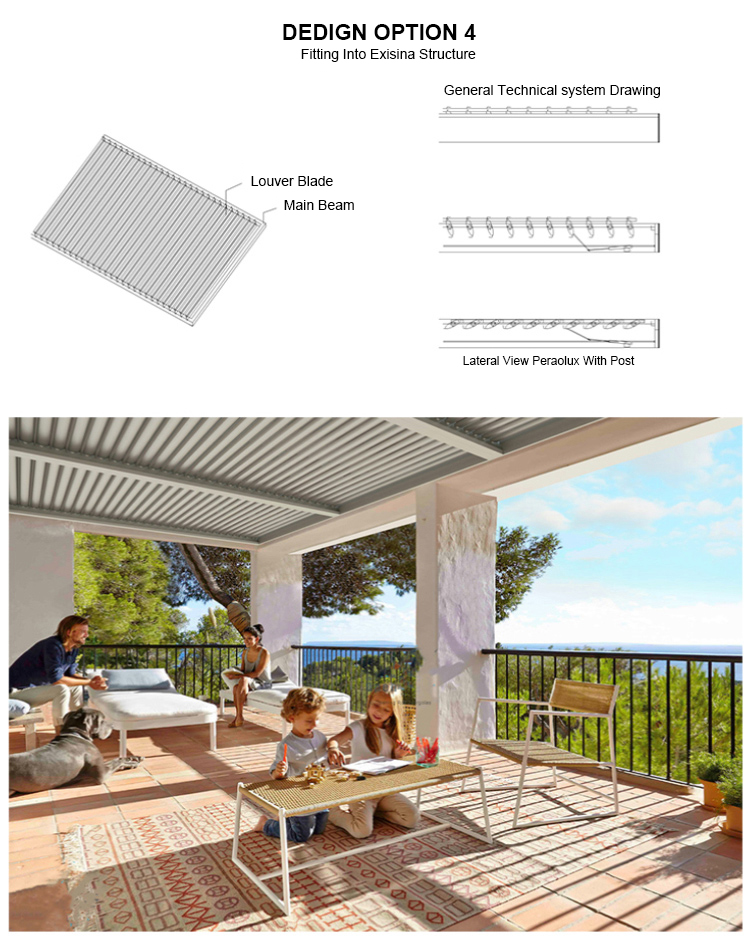
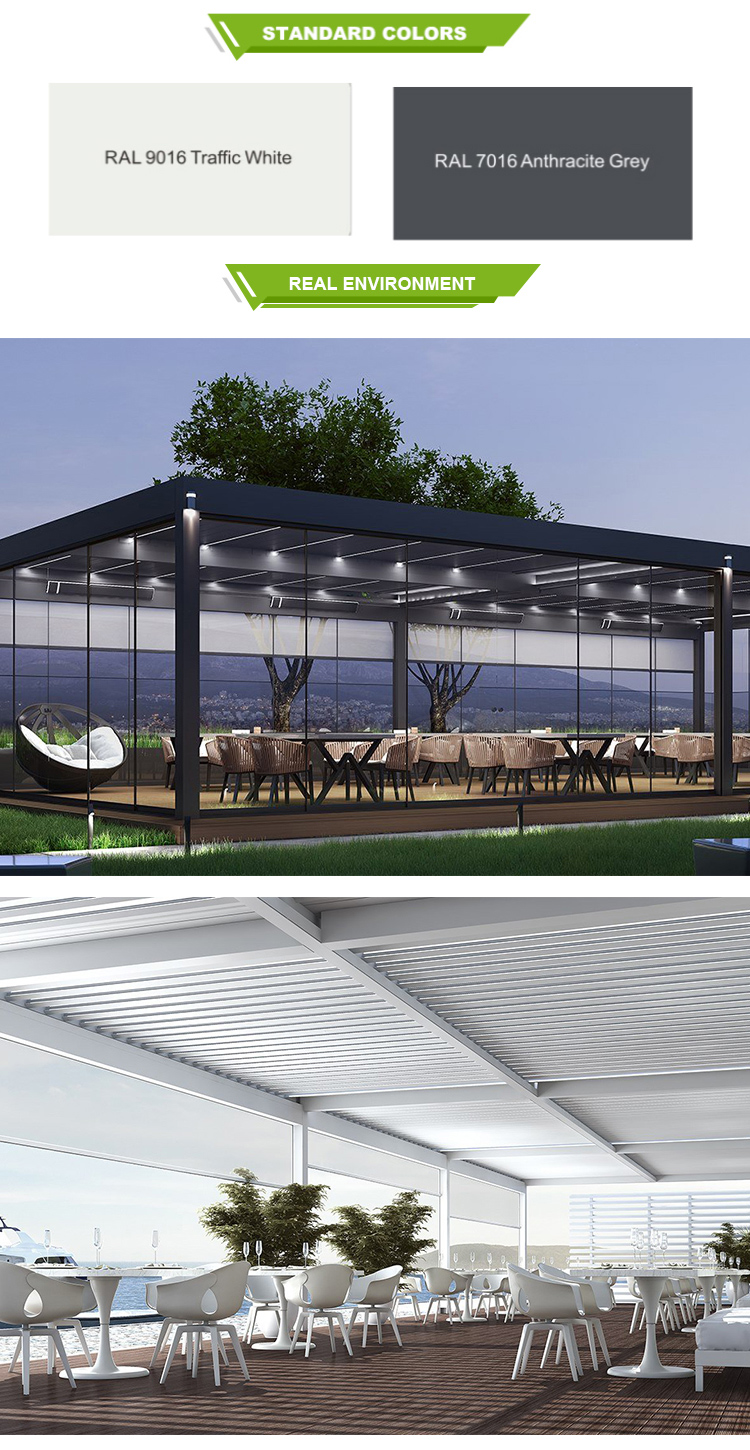
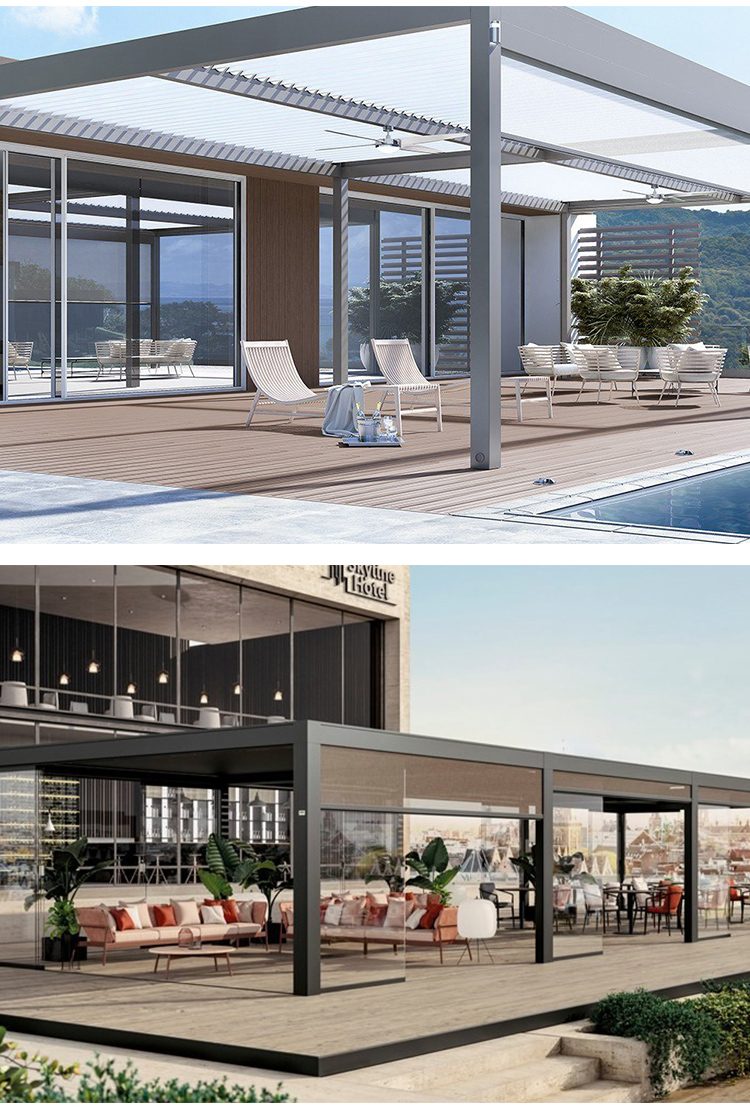
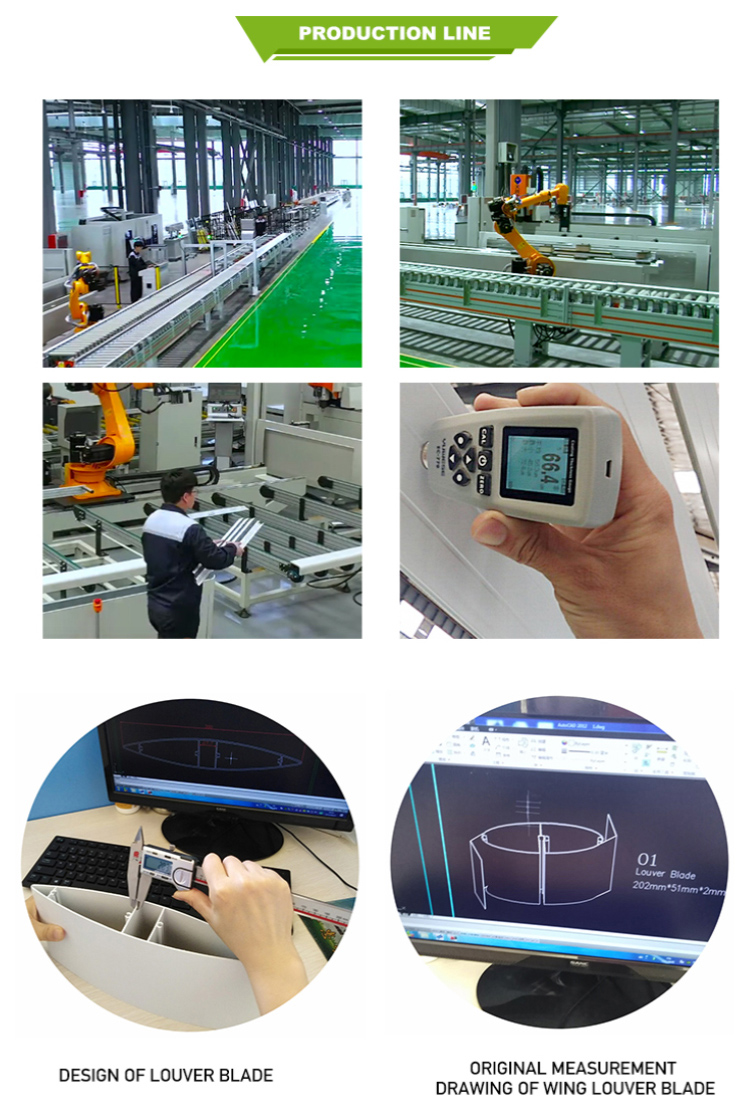
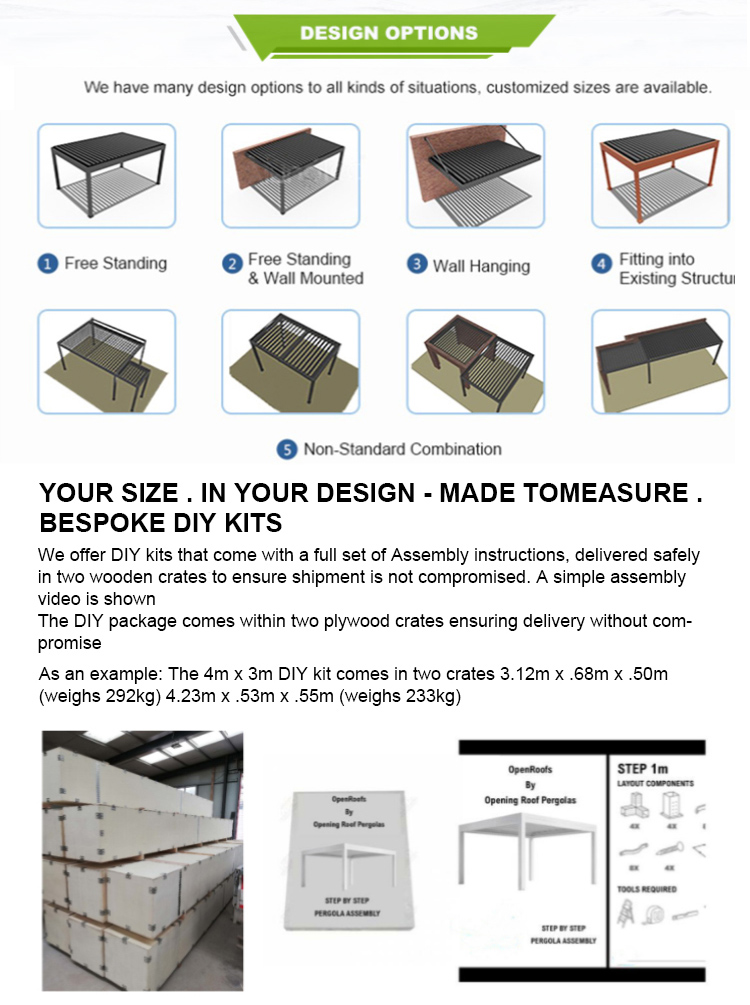
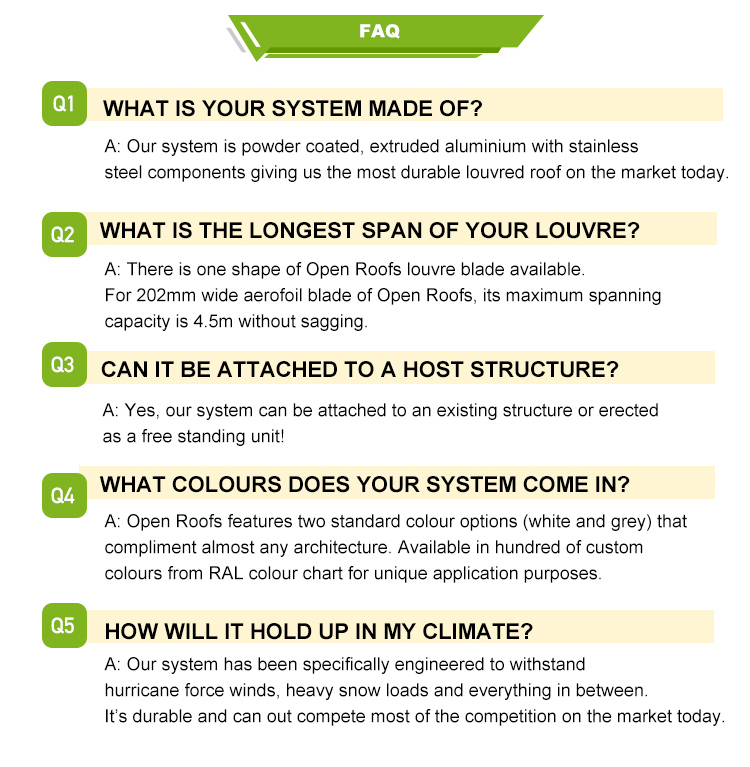
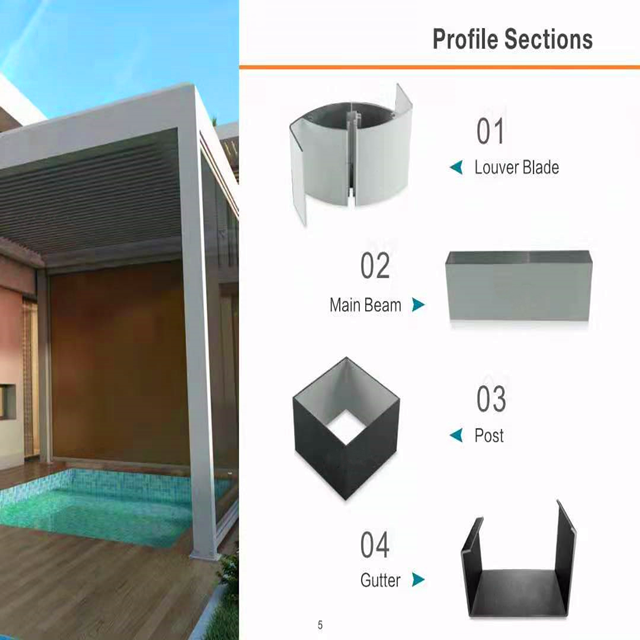
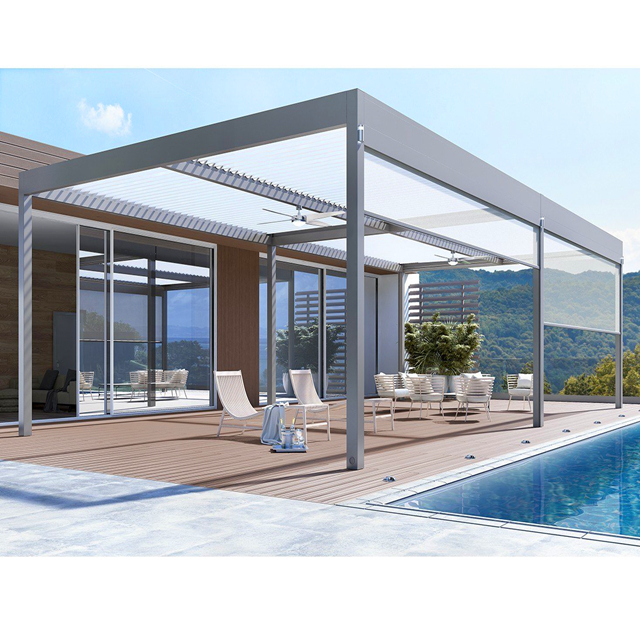
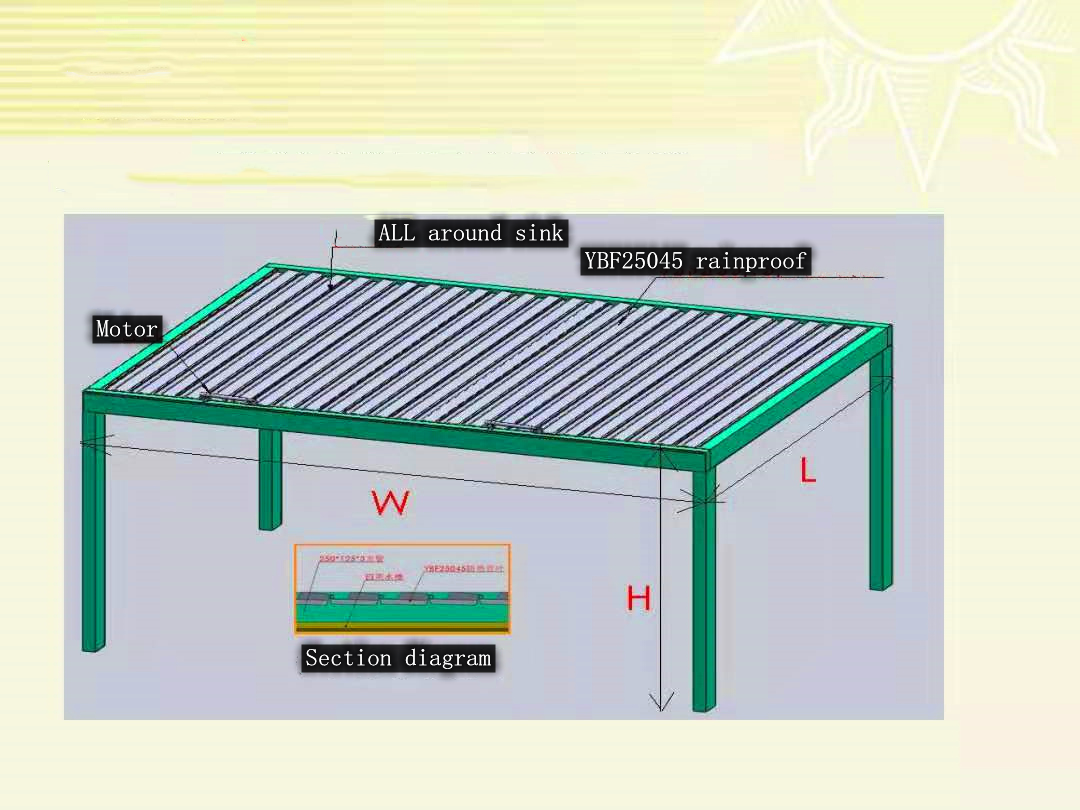
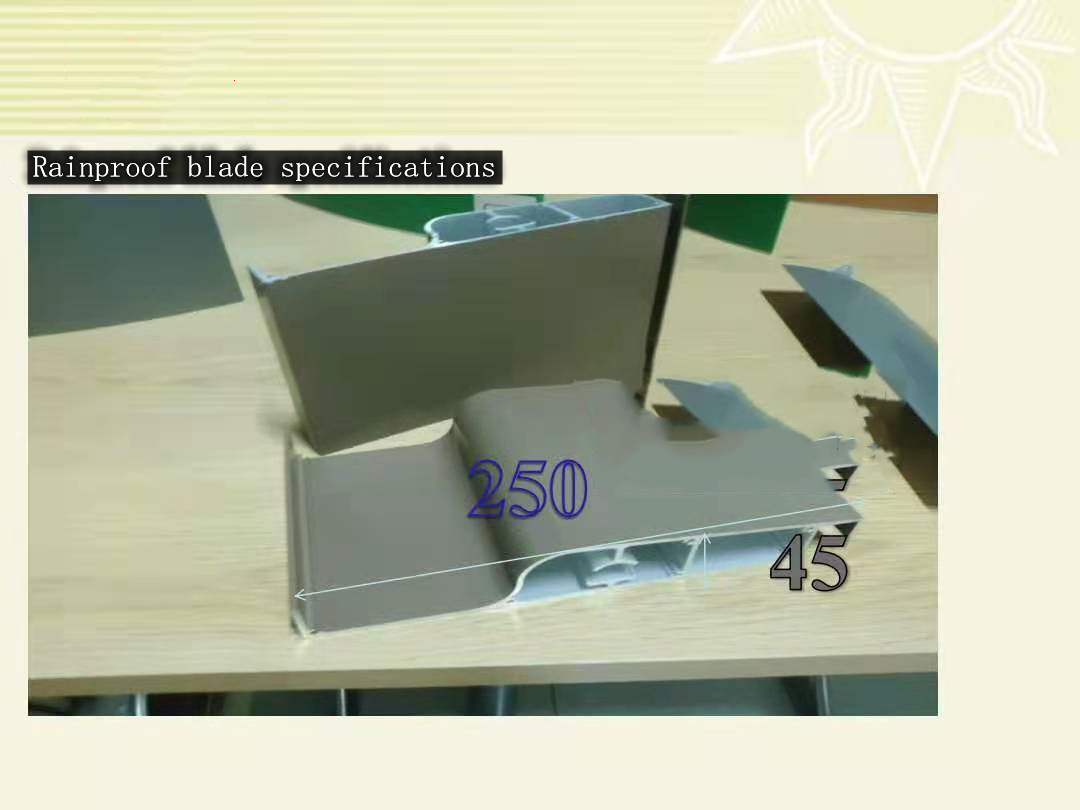
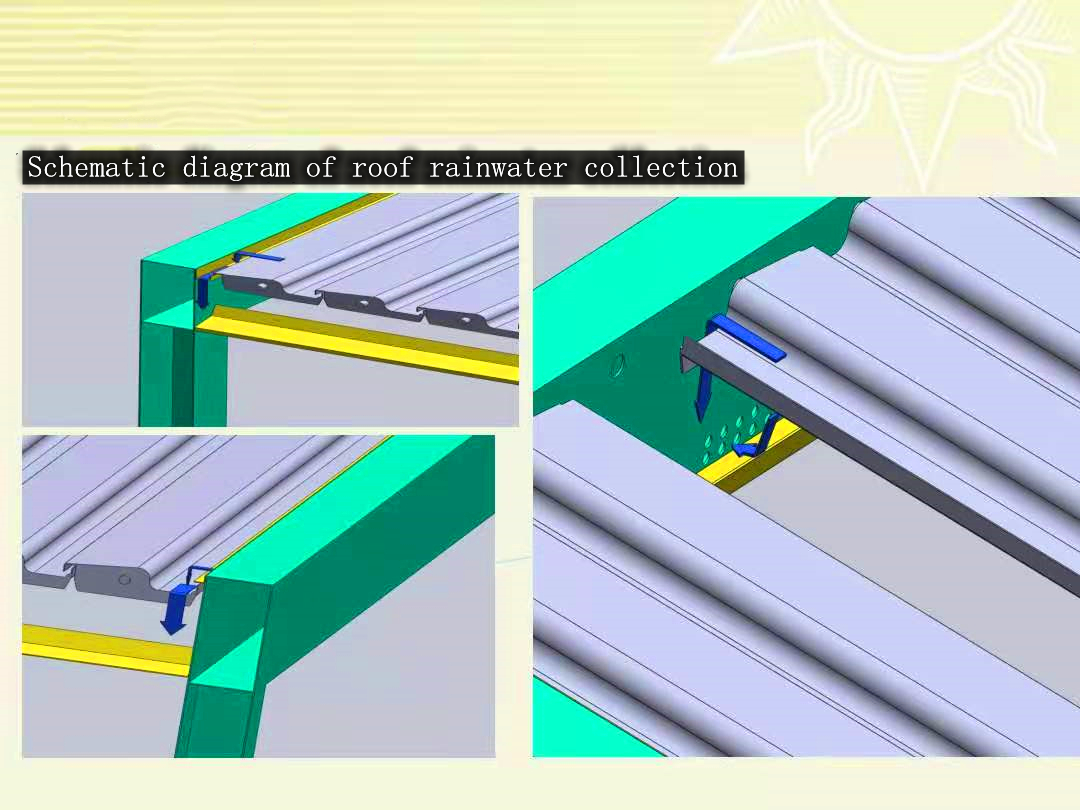
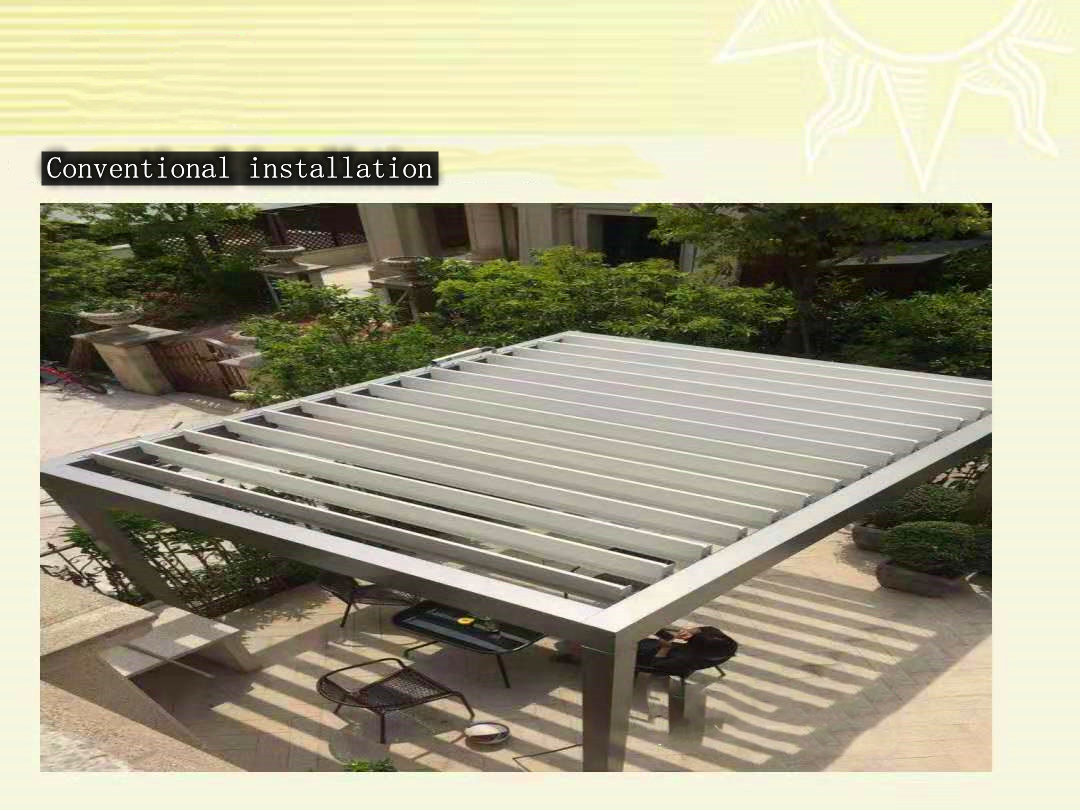
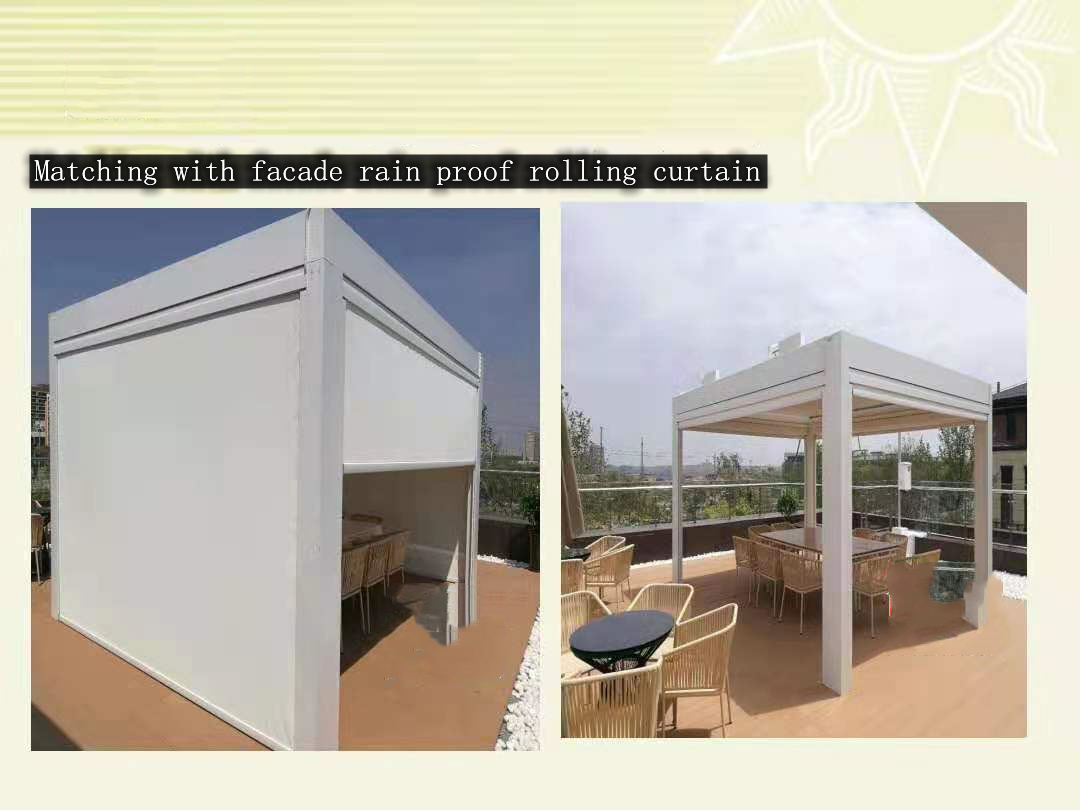
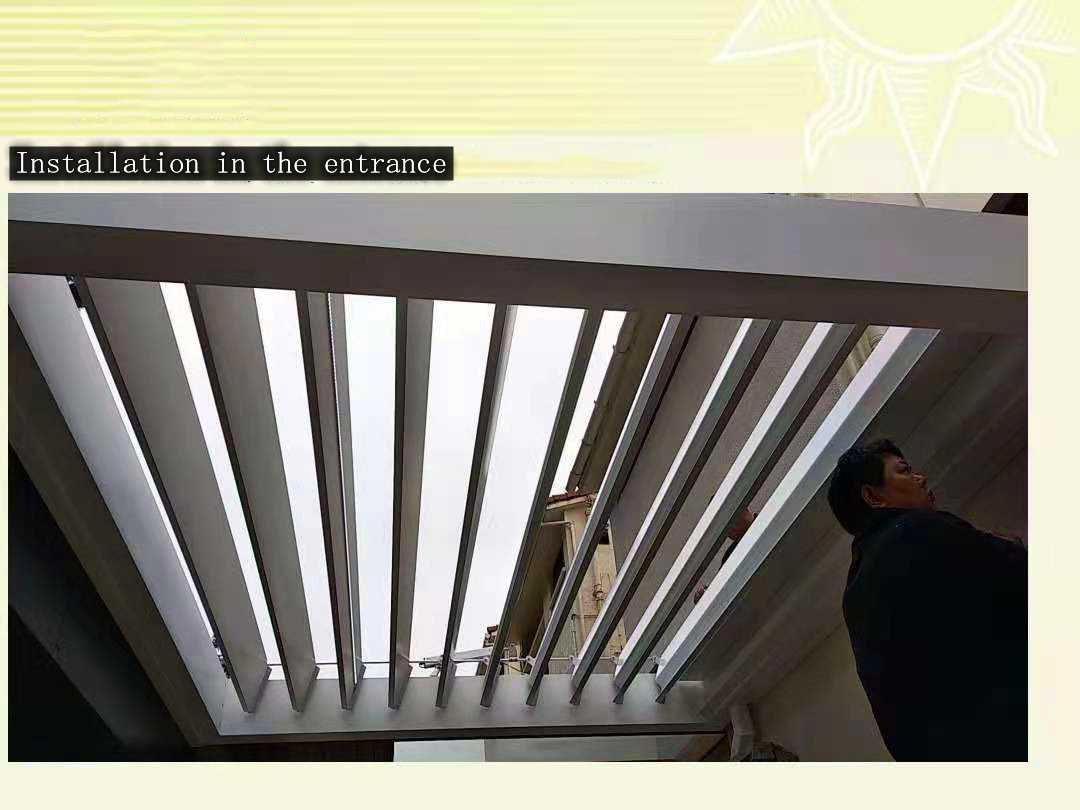
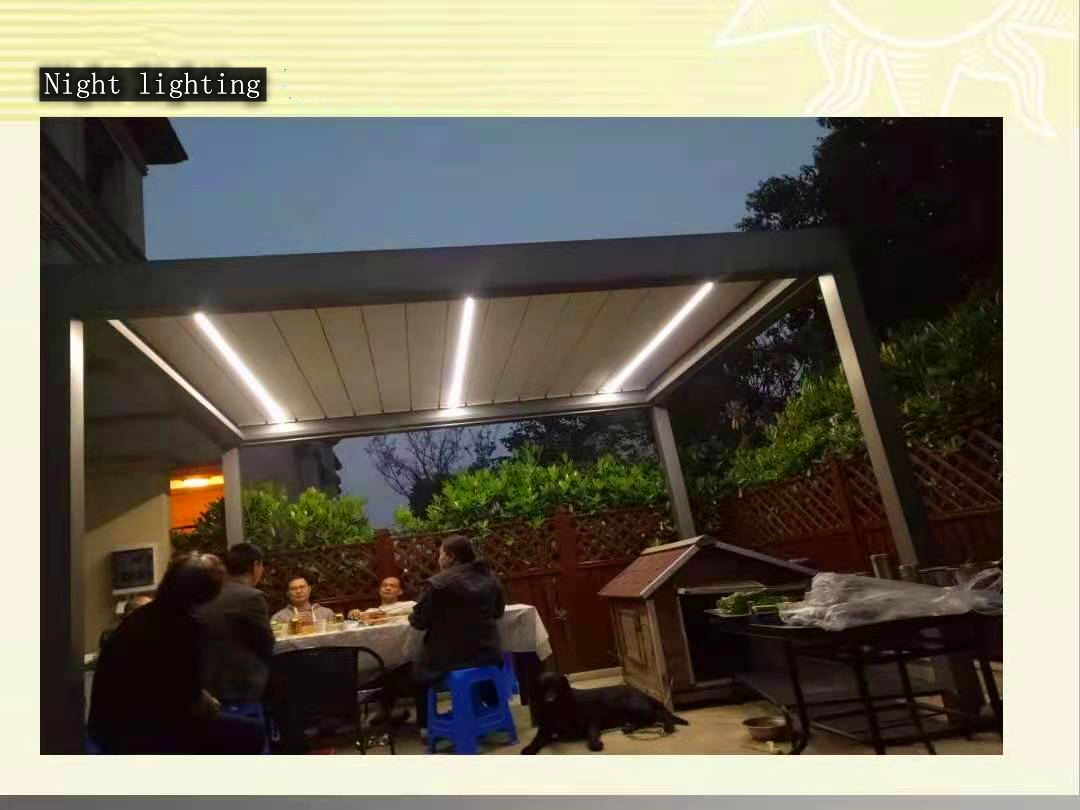
Aluminium louvers offer high durability, weather resistance, and corrosion protection. They effectively block direct sunlight and rain while ensuring steady airflow and natural ventilation for optimal energy efficiency.
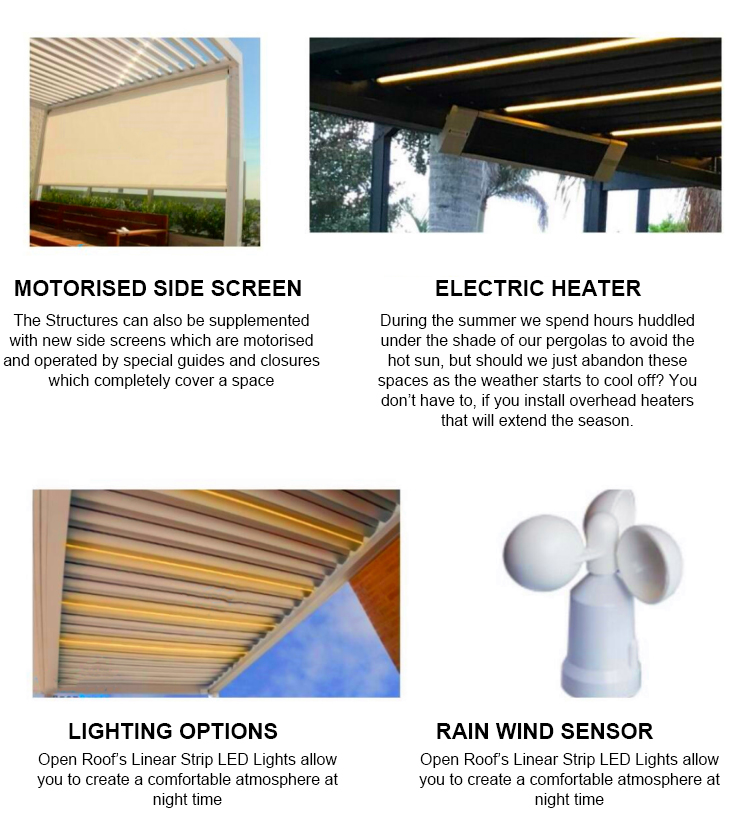
Automatic systems use motorized actuators controlled via wall switches, remote controls, or smart building automation sensors (such as wind, rain, and sun sensors) to rotate slats to the ideal angle automatically.
Yes, when fully closed, properly engineered aluminium louvers utilize interlocking blade profiles and high-grade seal gaskets to channel rainwater away, preventing leaks even during heavy storms.
Yes, aluminium profiles can be custom engineered to fit various architectural openings and finished with powder coating or anodizing in a wide range of RAL colors to match building aesthetics.
They require very low maintenance. Occasional washing with mild soapy water to remove surface dust, along with periodic inspections of moving hinges and motorized components, is sufficient to keep them running smoothly.
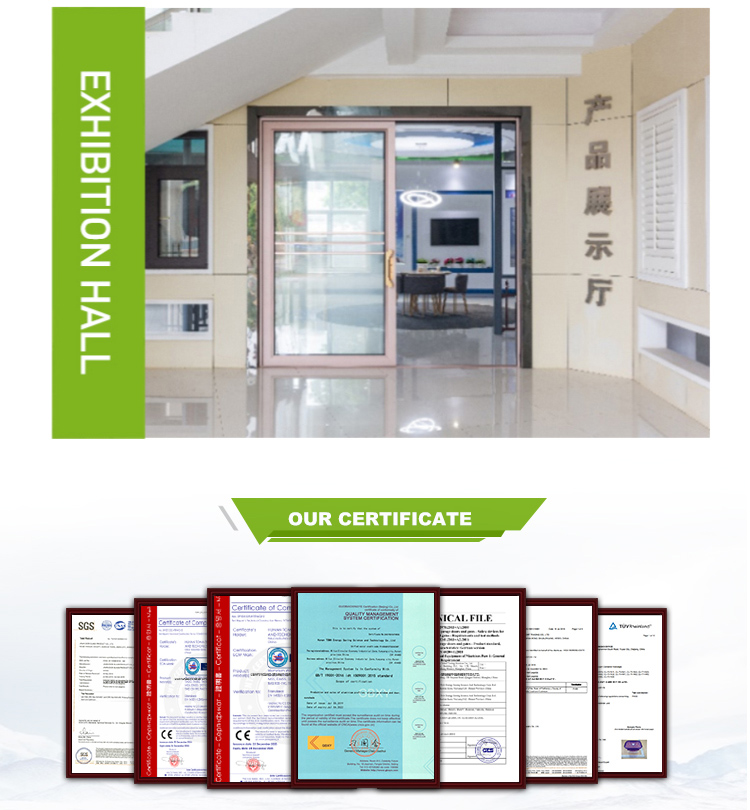
AS2047 is the Australian Standard specifying mandatory requirements for windows and external glazed doors, certifying structural adequacy, water penetration resistance, and air infiltration performance.