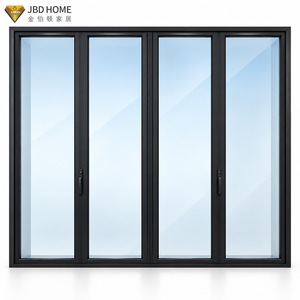
Featured Fenestration Systems & Technical Assemblies
Discover our NFRC-certified folding glass systems, heavy-duty commercial profiles, and perimeter-tested architectural envelope solutions engineered directly in our 180,000 m² state-of-the-art facility.
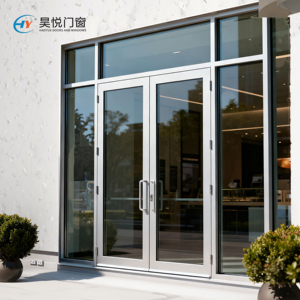
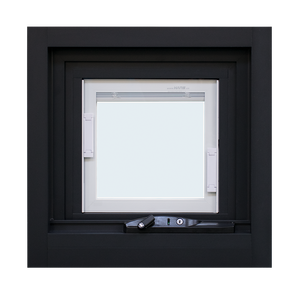
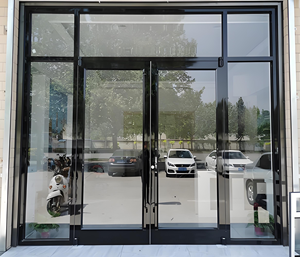
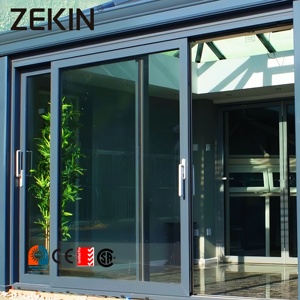
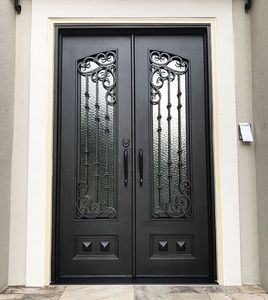
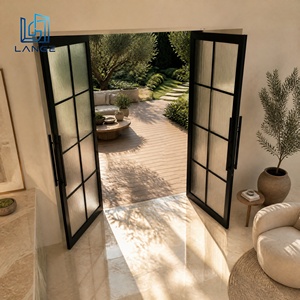
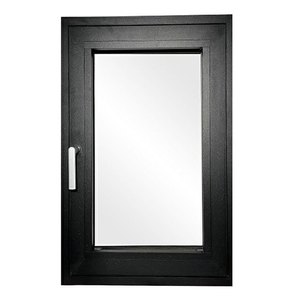
Engineering Authority & Manufacturing Advantage
As Guangdong Dejiyoupin Doors and Windows Co., Ltd. (DERCHI), we consolidate German CNC precision, international fenestration testing compliance, and direct-to-jobsite fabrication to eliminate intermediary supply risk.
One-Stop Architectural Envelope
Consolidate exterior folding glass doors, architectural pivots, interior acoustic doors, and motorized garage portals into a unified structural drawing package.
Certified Code Compliance
Pre-engineered documentation adhering strictly to NFRC U-factors, AS 2047 cyclic pressure tests up to N6, CE declarations, and UL fire-rated core certifications.
Complimentary CAD & BIM Models
Our dedicated drafting engineering studio translates architectural schedules into precision CAD shop drawings and millimetre-accurate BIM files prior to profile extrusion.
Timezone-Synchronized Engineering
Our senior sales and structural fenestration engineers synchronize working hours with North American (EST/PST) and EMEA markets for rapid technical submittals.
Industrial Whitepaper: The Engineering Evolution of Heavy-Duty Aluminium Folding Glass Doors
In high-performance building envelope design, aluminium folding glass doors—frequently specified as architectural bifolding or concertina door systems—have evolved from basic interior partitions into primary structural envelope elements. For commercial developers, high-end residential builders, and architectural specifiers, selecting a China top aluminium folding glass door supplier requires technical evaluation of profile metallurgy, polyamide thermal barriers, structural wind-load resistance, and water evacuation systems.
High-performance folding doors manufactured by Guangdong Dejiyoupin Doors and Windows Co., Ltd. (DERCHI) utilize primary 6063-T6 or 6061-T6 architectural-grade aluminium alloy extrusions. Unlike standard commercial doors, structural bifold portals experience continuous cyclic loading on the upper carrier track and lower stainless steel guide rollers. Structural wall thicknesses are calibrated between 2.0mm and 3.0mm, preventing profile deflection even when supporting laminated insulated glass units (IGU) reaching sash weights exceeding 150 kilograms and structural ceiling clearances upwards of 4.5 meters.
Thermal Performance Engineering & Multi-Cavity Barrier Science
Historically, large-span folding glass panels represented significant thermal bridging liabilities within cold-climate building envelopes. Modern fenestration demands rigorous compliance with ASHRAE 90.1, IECC, and Canadian NBC insulation metrics. To achieve U-factors as low as 1.2 to 1.6 W/m²K (or NFRC overall ratings below 0.28 BTU/h·ft²·°F), DERCHI incorporates multi-chambered polyamide 66 reinforced with 25% glass fiber (PA66-GF25) thermal break strips.
This multi-cavity thermal configuration physically isolates the exterior aluminium profile from the conditioned interior profile, neutralizing conductive heat exchange. When integrated with insulated dual- or triple-pane Low-E glass units injected with 90% Argon gas fill and warm-edge composite spacers, our exterior bifold systems prevent condensation formation during deep sub-zero winters while rejecting solar heat radiation in equatorial environments.
Next-Generation Procurement & Architectural Design Trends
As international project schedules compress and global building codes demand net-zero operational efficiency, procurement directors are altering their vendor evaluation matrices. The fenestration supply chain is shifting towards the following critical benchmarks:
1. Ultra-Slim Sightline Engineering
Architectural demand has transitioned to minimal stiles (as low as 28mm to 45mm visible profile). Precision CNC fabrication ensures minimal sightlines without compromising wind-pressure resistance during severe deflection stress.
2. Integrated Thresholds & Sub-Drainage
Commercial barrier-free compliance (ADA compliance) now demands ultra-low flush thresholds. Advanced suppliers utilize concealed sub-sill drainage gutters that evacuate wind-driven rain under extreme cyclical pressure gradients.
3. Smart Access Automation
The incorporation of hidden electromagnetic perimeter locks, motorized sash carriers, and smart building management system (BMS) interfaces that operate effortlessly via biometric or touchless commands.
Frequently Asked Questions by Project Engineers & Specifiers
Clear, direct answers regarding logistical security, engineering validations, structural warranties, and technical customizations.
How do you verify structural wind load and water tightness for coastal regions?
Our folding door profiles undergo laboratory cyclic testing pursuant to AS 2047 (up to N6 rating) and ASTM E330 / E331 test standards. We utilize continuous multi-fin EPDM vulcanized co-extruded gaskets and multi-point perimeter compression hardware to guarantee water penetration resistance up to 700 Pa and structural design wind pressure exceeding 3000 Pa.
Can the folding door system support oversized architectural openings?
Yes. By utilizing heavy-duty top-hung bearing carriers forged from surgical-grade SUS304/SUS316 stainless steel with quad-wheel assemblies, we support individual panel widths up to 1.2 meters and heights up to 4.5 meters, permitting seamless continuous openings of up to 18 meters with up to 16 configurable folding sashes.
What ocean freight protection protocols do you implement against salt-fog damage?
Every order is export-crated using IPPC heat-treated fumigation-free solid timber or heavy plywood cases. Frames and glass are individually wrapped with protective static film, closed-cell foam angle guards, and desiccants to prevent electrolytic or oxidative damage during trans-oceanic container transport to North American, European, or Australasian ports.
How do you guarantee finish durability in severe marine environments?
We provide Qualicoat Class 2 certified architectural powder coating finishes, fluorocarbon (PVDF) 3-coat spray treatments with a minimum 20-year warranty against chalking, fading, or cracking, and high-micron architectural anodized treatments (up to 25 microns) engineered specifically to resist salt spray corrosive attack.
Collaborate with China's Premier Door Engineering Team
Initiate direct technical engagement with our Foshan manufacturing headquarters. Submit your rough openings, architectural CAD elevations, or door schedules for an engineered review and itemized commercial factory quote.
Send an Inquiry