Catalog Engineering
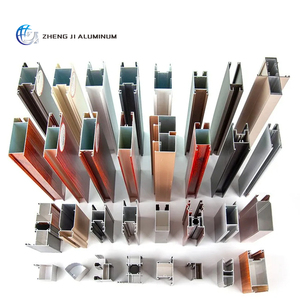
Featured Commercial & Residential Structural Profiles
Tested rigorously under cyclonic impact, cyclical wind load, and harsh salt-spray chambers to safeguard architectural envelope integrity.
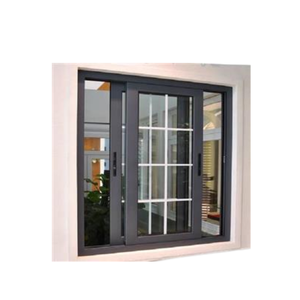
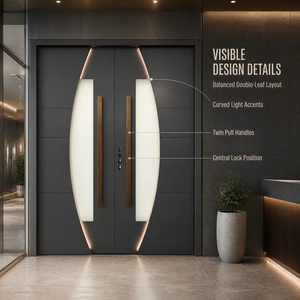
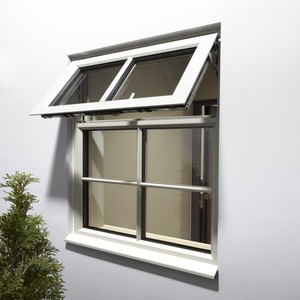
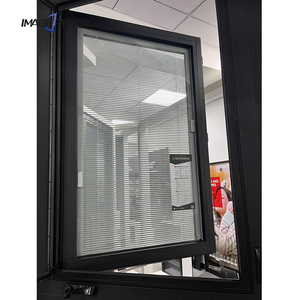
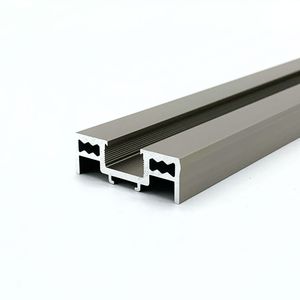
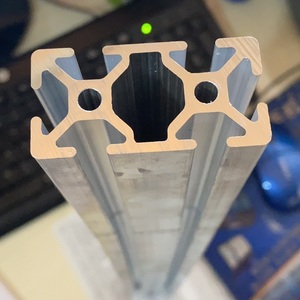
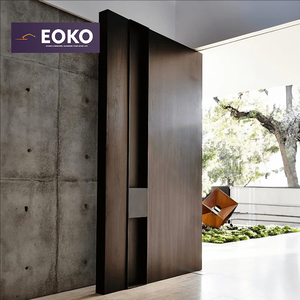
Technical Deep-Dive: Sourcing High-Performance Aluminum Storm Windows from Chinese Industrial Clusters
In modern commercial architecture and residential civil defense, aluminum storm windows operate not merely as secondary glazing envelopes, but as high-strength physical barriers capable of absorbing severe kinetic energy and turbulent cyclical wind fatigue. As worldwide building codes intensify—notably Florida Building Code (FBC) High Velocity Hurricane Zones (HVHZ) protocols and Australian AS 2047 standardizations—global architectural specifiers, glazing fabricators, and building material distributors demand documented structural compliance from Tier-1 Chinese manufacturers.
Modern extrusion production utilizes premium primary primary billet—chiefly 6063-T5, 6063-T6, and 6061-T6 aluminum alloys. The microstructural alloy balance is subjected to rigorous spectrometry analysis to manage silicide precipitations, thereby avoiding intergranular stress fractures. Extrusions incorporate multi-cavity chambering combined with structural thermal insulating strips engineered from continuous glass-fiber reinforced Polyamide 66 (PA66 GF25). This mitigates conductive thermal bridge bypasses, achieving calculated thermal transmittance ratings down to U-values ≤ 1.4 W/(m²·K) while sustaining extreme dynamic pressure resistance exceeding 4500 Pascals.
Structural Dynamic Integrity
Multi-chamber extrusions with wall thicknesses from 1.8mm to 3.0mm resist static pressure deflections under TAS 202 testing criteria, preventing localized joint yielding.
High-Performance EPDM Dual Seals
Continuous co-extruded vulcanized EPDM compression gaskets guarantee zero air infiltration leakage (<0.10 cfm/ft²) and water resistance against hydrostatic heads past 700 Pa.
Multi-Point Locking & Balances
Stainless steel 304/316 concealed drive transmission rods and class-tested spiral block-and-tackle spring balances engineered for smooth cycle endurance over 25,000 operations.
Engineering Evolution & Future Procurement Trends (2025–2030)
The global envelope fenestration sector is experiencing a paradigm shift driven by the harmonization of decarbonization goals and extreme meteorological challenges. When engaging with Chinese manufacturing hubs, B2B procurement leaders must analyze four pivotal vectors defining next-generation storm fenestration:
Decarbonized Circular Metallurgy
Widespread integration of low-carbon aluminum smelted with renewable hydroelectric power, incorporating up to 40% certified post-consumer scrap to fulfill LEED v4.1 and BREEAM lifecycle mandates.
Thin-Triple & VIG Composite Glazing
Adoption of thin-glass triple glazing architectures and Vacuum Insulated Glass (VIG) technology, dropping center-of-glass U-factors below 0.60 W/(m²·K) without increasing sash profile bulk.
BIM & Automated Micro-Tolerances
Direct CAD-to-CNC five-axis machining centers ensuring corner miter tolerances within ±0.2mm, accompanied by complete parametric Revit BIM families for instantaneous engineering integration.
| Performance Metric | Legacy Storm Windows (Commercial) | Advanced Thermal Break Storm Windows | Compliance Test Standard |
|---|---|---|---|
| Alloy Specification | Standard Mill 6063-T5 Aluminum | Homogenized High-Tensile 6063-T6 / 6061-T6 | ASTM B221 / GB/T 5237 |
| Thermal Transmittance (U-Value) | 3.8 – 4.5 W/(m²·K) | 1.2 – 1.6 W/(m²·K) (PA66 GF25 Isobar) | NFRC 100 / EN ISO 10077 |
| Design Pressure (DP Rating) | DP30 – DP45 (Standard residential) | DP65 – DP100+ (High Velocity Hurricane) | AAMA/WDMA 101/I.S.2 / TAS 202 |
| Missile Impact Threshold | Unrated / Minimal flying gravel defense | Large Missile Level D (9-lb 2x4 @ 50 ft/s) | ASTM E1886 / ASTM E1996 |
| Surface Fluoropolymer Coating | Standard Acrylic / Polyester (15-30 µm) | AAMA 2605 70% PVDF / Qualicoat Class 3 | 3,000+ Hr Salt Spray (ASTM B117) |
Direct Manufacturing Authority
Why Tier-1 Importers Source via Our Foshan Industrial Complex
Operating under Guangdong Dejiyoupin Doors and Windows Co., Ltd. (DERCHI), our facility eliminates trading-company overhead, granting developers direct line oversight, verified metallurgy, and validated code conformance.
180,000 m² Production Base
Massive integrated capacity housing high-tonnage automated extrusion lines, thermal break assembly, CNC miter sawing, and cleanroom glass lamination.
AS 2047 N6 & International Certs
Formally accredited with CE, ISO 9001, AS 2047 cyclonic N6 certifications and UL fire-rating benchmarks, supported by 100+ national and global patents.
Free Engineering CAD Submittals
Our bilingual structural engineering department converts your rough openings and architectural door/window schedules into comprehensive fabrication shop drawings.
Rigid Heavy-Duty Export Crating
Reinforced non-coniferous timber crates with desiccant packaging, polyethylene protective wrap, and corner protectors, ensuring cargo arrives flawless after transoceanic voyages.
Strategic Procurement Clarity
Frequently Asked Questions by Commercial Buyers
Essential guidance covering international trade compliance, structural standards, and manufacturing schedules.
How do Chinese storm window manufacturers substantiate compliance with North American and Australasian building codes?
Tier-1 factories partner directly with recognized third-party laboratories such as Intertek, TÜV Rheinland, and SAI Global. Verification includes cyclical wind loading (ASTM E1996 / TAS 203), air infiltration rates (ASTM E283), dynamic water penetration thresholds (ASTM E331), and comprehensive cyclone rating tests like Australian AS 2047 N6. Certified factories furnish formal test dossiers, factory inspection certificates, and complete structural engineering stampings for municipal code review.
What parameters define high-velocity hurricane zone (HVHZ) impact windows versus standard storm units?
Standard storm windows primarily guard against baseline wind-driven rain and drafts using tempered glass and lighter frame profiles. HVHZ-grade assemblies require heavy architectural 6063-T6 aluminum extrusions paired with laminated or insulated-laminated impact glass containing specialized SentryGlas (SGP) or high-tensile PVB interlayers (0.090” minimum). These systems endure the continuous impact of an eight-foot 2x4 lumber projectile traveling at 50 feet per second, followed by 9,000 positive and negative wind cycles without structural rupture.
What are standard container-load MOQs and factory production lead times?
For customized commercial projects, minimum order quantities typically begin around 50 square meters or mixed multi-unit configurations (filling a 20GP or 40HQ container). Extrusion die fabrication for bespoke profiles requires roughly 10–14 days. Full-scale production of standard powder-coated models spans 25 to 35 calendar days following CAD shop-drawing sign-off. High-specification PVDF fluorocarbon coatings or complex laminated Low-E units require 35 to 45 business days.
How do you combat galvanic corrosion and marine air deterioration on coastal developments?
For oceanfront installations, profiles undergo chemical pre-treatment (chromate or eco-friendly zirconium conversion) prior to receiving AAMA 2605-compliant 70% Kynar 500 / Hylar 5000 PVDF fluoropolymer wet spray or Qualicoat Class 3 powder coatings. All fasteners, brackets, friction stays, and hinge pivots are specified in Austenitic Stainless Steel Grade 316 (Marine Grade), isolated from the aluminum chassis via nylon or neoprene washers to eliminate galvanic couple corrosion entirely.
Can the factory prepare imperial rough opening fabrications and custom architectural finishes?
Yes. Our engineering division natively processes architectural submittals, schedules, and BIM geometries in imperial (inches, fractional feet) or metric frameworks. Finishes span architectural anodizing (Class I - 18µm+), architectural powder coat (RAL match systems), multi-coat PVDF, and realistic Italian heat-transfer sublimation wood-grain finishes that balance classic aesthetics with maintenance-free aluminum longevity.
Connect with Senior Fenestration Engineers
Send architectural door and window schedules, CAD elevation drafts, or project performance criteria. Our bilingual technical team prepares preliminary estimates and structural feasibility evaluations within 24 hours.
Contact Us