Featured OEM Systems & Heavy-Duty Apertures
From laser-cut aesthetic aluminum jali lattices to hurricane-rated double glazed systems, discover factory-calibrated doors and windows tailored for commercial complexes, luxury estates, and international procurement schedules.
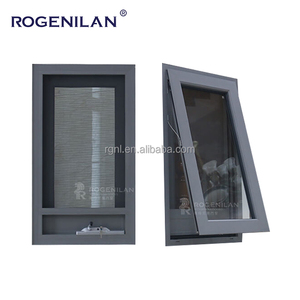
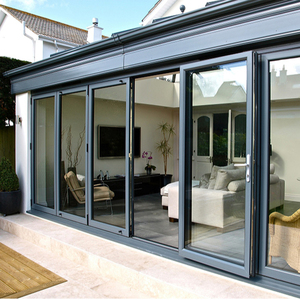
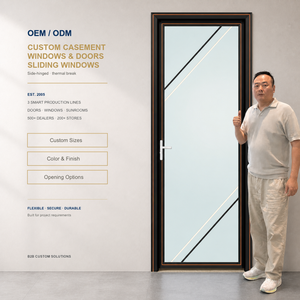
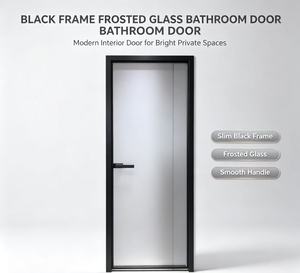
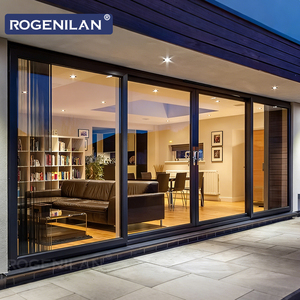
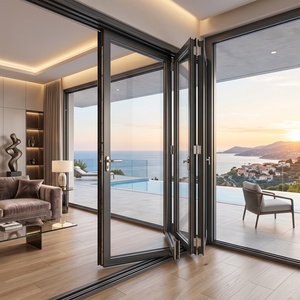
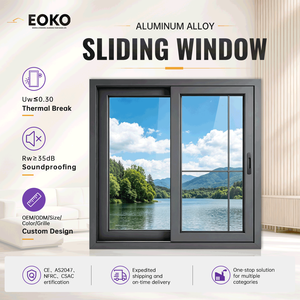
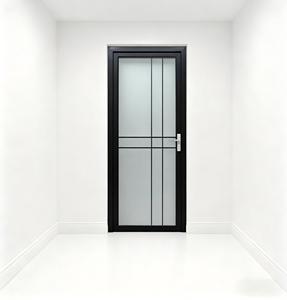
Direct-From-Factory Fenestration Solutions: Guangdong Dejiyoupin (DERCHI)
With more than 25 years of specialized engineering and an operational footprint spanning a massive 180,000 m² modern manufacturing hub, we eliminate supply-chain overhead for overseas general contractors, curtain wall engineers, and building material wholesalers.
Our full-scope facility integrates high-precision CNC multi-axis extrusion profiling, robotic anodizing and PVDF coating lines, dedicated IGCC-standard insulating glass lamination bays, and laser-guided Jali perforated screen punching. From North America to Oceania and the Middle East, our certified solutions pass local inspections on schedule without unexpected field adjustments.
Inquire Now
Understanding Modern Aluminum Jali Window Architecture
Bridging centuries-old passive ventilation with CNC-machined structural metallurgy, the modern custom OEM aluminum Jali window redefines solar heat mitigation, architectural identity, and forced-entry deterrence.
Geometrical Solar Shading (SHGC Control)
Aluminum Jali screens serve as high-performance brise-soleil layers. By utilizing computational perforated open-area ratios (typically between 25% and 48%), our panels reflect harsh direct solar irradiance while admitting diffused, glare-free daylight. This lowers internal cooling loads across tropical and desert microclimates, significantly dropping building Solar Heat Gain Coefficients (SHGC) before radiation contacts the primary double-glazed thermal envelope.
Integrated Physical Intrusion Resistance
Unlike fragile decorative iron grilles prone to thermal expansion stress and rust staining, structural grade 6063-T6 or 5052-H32 aerospace-spec aluminum Jali frames offer robust mechanical tensile strength. Seamlessly anchored into the subframe profile with tamper-proof security fixings, the Jali grille serves as an invisible barrier against intrusion while preserving crisp sightlines and outward visibility.
Dual-Action Natural Convection
In hot-arid and marine climates, ventilation without sacrificing security or inviting pest entry is essential. Our custom systems pair an ornamental exterior Jali panel with concealed insect meshes and operable inward or outward casements. This arrangement creates a micro-venturi effect that accelerates indoor air changes even on low-wind days, decreasing mechanical HVAC reliance in transitional seasons.
| Component Layer | Material Specification | Surface Treatment | Thermal & Acoustic Metric | Testing Standards |
|---|---|---|---|---|
| Primary Frame | 6063-T5 / 6063-T6 Architectural Billet | Fluoropolymer PVDF (3-Coat) / 25µm Anodizing | U-Value: 1.4 – 1.8 W/m²·K (Thermally Broken) | AAMA 2605, Qualicoat Class 2 |
| Jali Screen Core | 5052-H32 Marine Grade Aluminum Sheet (3.0mm–5.0mm) | Electrostatically Applied AkzoNobel Powder Coat | Impact Strength: 50 Joules anti-intruder rating | AS 5041 (Forced Entry), EN 1627 RC2 |
| Glazing Unit | 5mm Low-E + 12A/16A (Argon Gas) + 5mm Tempered Glass | Warm Edge Spacer Bar with Secondary Silicone Seal | Acoustic STC: 38dB – 44dB Rw | ASTM E283, AS 2047 N6 Cyclone |
| Hardware & Fasteners | SUS304 / SUS316 Stainless Multi-Point Shootbolts | Passivated Anti-Corrosion / PVD Titanium Finish | Cycle Tested: >100,000 smooth cycles | ANSI/BHMA A156, CE Hardware Class 4 |
Future Sourcing & Procurement Trends (2025–2030)
Procurement teams for high-end hospitality, civic developments, and sustainable multi-family construction face evolving environmental mandates and geopolitical supply shifts. Here are the core factors driving architectural decisions.
Low-Carbon & Recycled Aluminum Billets
Global ESG benchmarks like LEED v4.1 and BREEAM now demand certified Environmental Product Declarations (EPDs). Sourcing is rapidly shifting toward low-carbon billets smelted using renewable hydro-power, cutting embedded emissions below 4.0 kg CO2e per kg of primary aluminum without sacrificing structural yield strength.
Single-Vendor Aperture Bundling
Procuring windows from one supplier, entrance pivot doors from another, and exterior jali sunscreens from a third causes dimension mismatches, inconsistent powder-coat finishes, and fragmented freight logistics. Modern commercial developers prefer single-source fabrication to align tolerances across rough openings.
Parametric Facade Customization
Standard geometric louvers are giving way to parametrically engineered laser cut patterns tailored to exact building orientations. Through integrated CAD/CAM shop drawing files, developers can generate unique artistic screens that still meet precise local wind-load and acoustic benchmarks.
Technological Innovations in Jali Window Manufacturing
How advanced manufacturing technologies transform conventional decorative lattice work into engineered, resilient building skins.
High-Speed Fiber Laser Precision
Our facility runs high-wattage CNC fiber laser tables capable of handling 4000mm x 2000mm oversized architectural panels. Smooth, dross-free edge cut profiles prevent stress cracks, ensuring flawless bonding with fluoropolymer powders and extending finish longevity in coastal environments.
Polyamide Thermal Barriers
Traditional metal grilles often cause thermal bridging. Our engineered Jali systems integrate multi-chamber PA66 GF25 thermal breaks that decouple interior subframes from exterior decorative layers. This prevents condensation and keeps interior surfaces comfortable year-round.
Automated Building System Integration
Modern commercial buildings demand smart facade systems. Our window hardware supports concealed 24V linear actuators, rain sensors, and central BMS wiring. This allows screens and sashes to adjust dynamically to solar position, wind speed, or night-flush ventilation schedules.
Frequently Asked Technical & Sourcing Questions
Addressing essential considerations around structural wind loading, international ocean freight crating, finish durability, and custom CAD engineering submittals.
How do you verify wind load and structural engineering compliance for custom Jali screens?
What surface treatments ensure Jali screens withstand marine and high-UV environments?
Can you manufacture bespoke laser-cut patterns from architect CAD/DWG or Revit vector files?
How are heavy architectural windows packaged to prevent damage during ocean transit?
What is the typical lead time for custom OEM prototyping, mass production, and shipping logistics?
Can insect screens and acoustic double-glazed units be serviced without removing the Jali panel?
Request Technical CAD Shop Drawings & Factory-Direct Quotations
Connect directly with our bilingual structural fenestration engineers. Share your window schedule, architectural drawings, or custom Jali laser patterns for swift design feedback, structural compliance review, and wholesale factory pricing.