Engineered Architectural Assemblies & Specialized Profiles
Factory-direct fenestration and heavy-duty opening systems designed to integrate with custom residential estates, hospitality developments, and commercial architectural footprints.
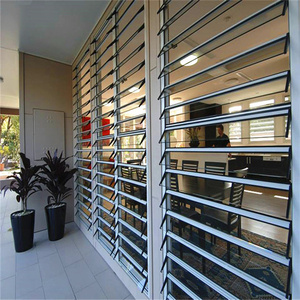
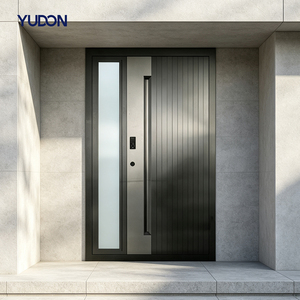
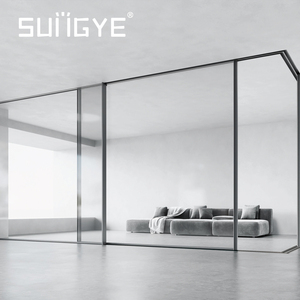
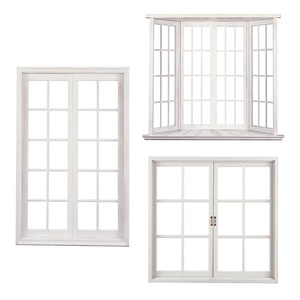
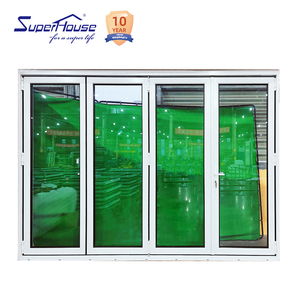
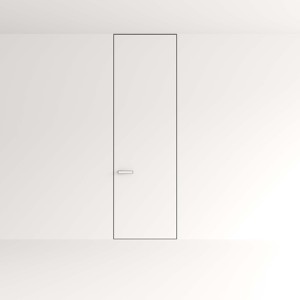
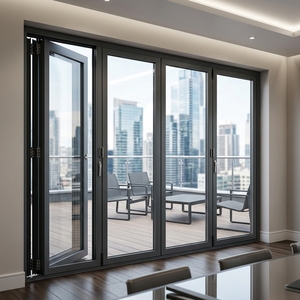
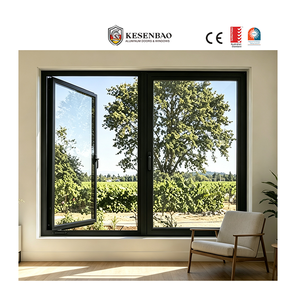
The Mechanics of High-Performance Aluminium Kitchen Stable Doors
Aluminium stable doors (also classified as Dutch doors) function via split-leaf mechanics, allowing the top sash to operate independently for cross-ventilation while the bottom sash remains securely locked. In modern culinary, coastal, and luxury estate environments, this classic typology demands modern engineering to eliminate historical failure modes like thermal bridging, water ingress, and sash deflection.
Extrusion Metallurgy: 6063-T6 vs 6061-T6
Industrial kitchen fenestration requires precision alloy selection. Our OEM lines utilize high-tensile 6063-T6 architectural aluminium with wall thicknesses exceeding 2.0mm. This profile matrix guarantees resistance to culinary moisture loads and heavy thermal cycles, avoiding the seasonal jamb distortion common to timber alternatives.
Polyamide Thermal Break Technology
Commercial-grade kitchen stable doors incorporate polyamide PA66 GF25 thermal barriers. This mechanical separation prevents heat transfer between hot kitchen zones and cool outdoor microclimates, eliminating internal condensation run-off while maintaining optimal U-values across the complete perimeter.
Interlocking Inter-Sash Weatherseals
The primary vulnerability of dual-leaf stable doors is the horizontal junction between panels. We implement a multi-chambered, extruded interlocking tongue-and-groove profile coupled with co-extruded EPDM continuous gaskets. This mechanism withstands driving rain and negative wind pressures without seal failure.
| Engineering Criteria | DERCHI Engineered Aluminium Stable Doors | Traditional Solid Hardwood Doors | Standard Composite / UPVC Doors |
|---|---|---|---|
| Structural Elastic Modulus | High rigidity (~70 GPa); Zero sash sag across multi-leaf spans | Prone to dimensional warp; changes under kitchen steam exposure | Low stiffness; susceptible to thermal deflection in high ambient sun |
| Air & Water Tightness | Classified up to AS 2047 N6 & Miami-Dade NOA standards | Degrades rapidly as wood shrinks and seals pull away | Moderate initial sealing; seals lose elasticity over cyclical UV exposure |
| Corrosion & Surface Finish | PVDF / AkzoNobel powder coating (AAMA 2604/2605 certified) | Requires periodic stripping, varnishing, and chemical resealing | Prone to surface yellowing, chalking, and micro-cracking |
| Hardware Integration | Concealed 3D multi-axis hinges & European multi-point shootbolts | Surface-mounted ironmongery prone to loosening in wet timber | Standard light-duty gearing limited by core chamber pull-out strength |
Procurement Dynamics & Future Market Trends
An analytical forecast for procurement managers, developers, and commercial specifiers evaluating long-term capital allocation in residential and hospitality building envelopes.
Consolidated Whole-House Sourcing
Architects and project owners are moving away from piecemeal procurement. Modern developers actively seek tier-one manufacturers who engineer and pack entry doors, hurricane sliding walls, bifold kitchen windows, and stable doors under single-source containerization, mitigating finish mismatches and multi-vendor delays.
Stringent Thermal Codes (Net-Zero Targets)
With tightening international energy codes (e.g., Title 24, IECC, and Canadian NECB), non-thermally broken doors are being regulated out of luxury builds. The trend dictates low-E triple glazing, warm-edge spacers, and insulated infill panels that drop overall U-factors below 1.2 W/m²K without compromising slim sightlines.
Smart Access Integration
Modern residential specifications require the seamless marriage of historical split-leaf function with smart home automation. We are engineering electronic shootbolts, video intercom conduits, and concealed magnetic sensors that synchronize top and bottom leaves into smart building ecosystems.
Guangdong Dejiyoupin: Global Export Capability
Operating from our 180,000 m² advanced manufacturing facility in Foshan, Guangdong, we bridge the gap between bespoke architectural flexibility and high-volume OEM reliability.
Strict In-House Test Labs
Every extrusion run undergoes cross-sectional thickness tests, spectrographic alloy checks, and finish adhesion tests. Our finished doors are cycled through cyclic wind load, forced entry resistance, and water pressurization test chambers to ensure compliance before leaving the factory.
Export Engineering & North American Time Zone Sync
Exporting fenestration requires speaking the buyer's language. Our dedicated engineering division works directly in Imperial architectural schedules and prepares free structural CAD shop drawings. Bilingual technical coordinators support project managers in the US, Canada, Australia, and the Middle East.
Seaworthy Protective Packaging
Cross-ocean freight introduces heavy moisture, handling drops, and vibration hazards. We package our doors using five protective layers: scratch-proof PE film, corner perimeter bumpers, high-density honeycomb wrap, waterproof bagging, and fumigated solid timber export crates.
Frequently Asked Questions for Project Procurement
Clear, definitive specifications directly answered by our fenestration engineering department.
How does the horizontal weatherseal prevent water leakage when the leaves join?
Can your factory supply products that comply with regional impact codes like Florida NOA or AS 2047?
What surface treatments are recommended for installations in coastal or high-humidity culinary areas?
What is the typical manufacturing lead time for full-container OEM/ODM custom orders?
Do you supply CAD shop drawings, hardware pre-machining, and door schedules for approval?
Engineering Support For Your Next Architectural Tender
Send our export team your door schedules, architectural CAD layouts, or project specifications. Our structural engineers will return certified thermal data, layout cross-sections, and factory-direct volume pricing within 24 business hours.