180,000 m²
Integrated Production Hub
100+
Global Patents & Testing Marks
T6-6063
Virgin Aviation Extrusion Alloy
AS 2047 / CE
Certified Wind & Water Seal
High-Performance Portfolios
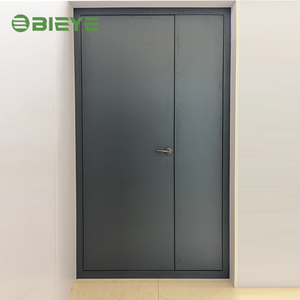
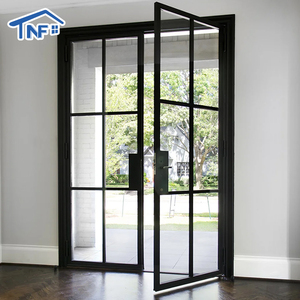
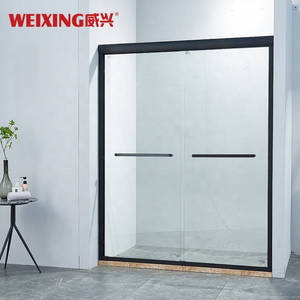
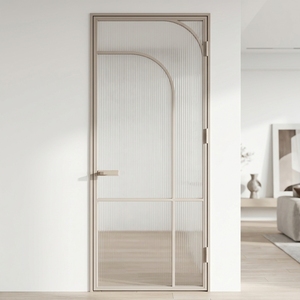
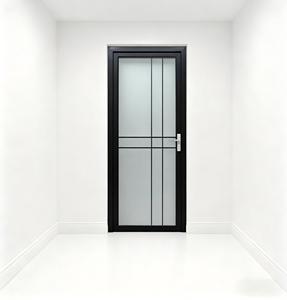
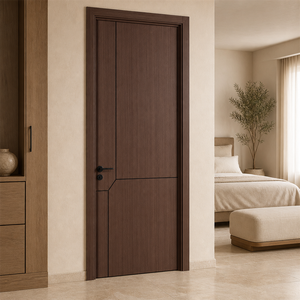
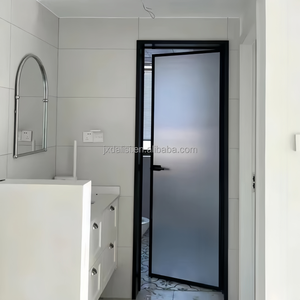
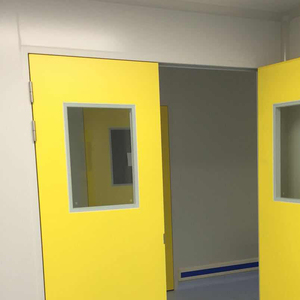
Precision-Engineered Aluminium Bathroom Door Assemblies
Explore our export-certified architectural systems designed for intensive hospitality, clinical, commercial, and multi-residential moisture environments.
Evolutionary Analysis
Engineering Shift: The Paradigm Migration in Wet-Room Fenestration
Why modern capital projects and high-end residential builders are decommissioning traditional timber, hollow-core PVC, and composite WPC doors in favor of advanced aluminium alloy fabrication.
Absolute Moisture Impermeability
Traditional millwork inevitably suffers from core saturation, delamination, and microbial fungus due to relentless ambient humidity fluctuations (RH 40%–95%). Precision T6-6063 aerospace-grade aluminium extrusions maintain zero dimensional swelling, warping, or microbial retention, offering an infinite operational lifecycle without finish cracking or jamb decay.
Acoustic Privacy & Pressure Sealing
Modern luxury hospitality projects require minimum acoustic mitigation ratings between STC 32 and STC 38. Extruded aluminium bathroom assemblies accommodate integrated EPDM hollow perimeter compression gaskets, drop-down automatic acoustic sweep seals, and multi-chamber internal dampening cavities, effectively isolating plumbing turbulence and wet-room acoustic flutter.
Structural Versatility & Slim Sightlines
The superior modulus of elasticity and tensile yield strength (>160 MPa) of extruded aluminium allow for ultra-narrow structural mullions (as narrow as 16mm). This structural stiffness effortlessly supports double-glazed tempered laminated lites, integrated wire-mesh privacy glass, and full-height architectural panels measuring up to 3000mm without hinge sag or structural creep.
| Performance Criterion | Virgin T6 Aluminum Profiles | WPC / Engineered Polymer Composite | Solid Core Timber / Solid Wood | Hollow Extruded Vinyl / PVC |
|---|---|---|---|---|
| Hydrolytic Stability | Zero swelling; unaffected by chemical mist or water immersion | Marginal surface expansion; prone to internal seam mold | High risk: swelling, warping, rotting, jamb binding | Waterproof, but joints weaken under cyclic temperature shifts |
| Acoustic Attenuation (STC) | STC 34 – 42 (With double glazing & dual-seal gaskets) | STC 25 – 30 (Limited internal hollow sound baffling) | STC 30 – 35 (Solid, but compromised by frame gaps) | STC 18 – 24 (Hollow resonance chambers exacerbate noise) |
| Surface Resilience | Fluorocarbon (PVDF) / Electrophoresis (25+ yrs life) | Thermoplastic film foil; prone to steam delamination | Polyurethane lacquer; cracks under repeated humidity cycles | Uncoated PVC; surface discoloration, chalking, embrittlement |
| Structural Deflection | High tensile yield (>160 MPa); zero sagging on tall formats | Low creep resistance; hinges pull out under heavy loads | Subject to seasonal grain movement and thermal twist | Extremely pliable; prone to latch misalignment over time |
Procurement Forecast 2026–2030
Emerging Trends Defining Global Architectural Door Procurement
A strategic overview of smart fabrication, eco-efficiency directives, and minimalist finishes transforming commercial specifications.
Narrow-Profile Minimalist Hardware
Architects worldwide are adopting concealed framing profiles, invisible self-closing pivot hinges, and flush frame-to-drywall integration. Bathrooms are transitioning away from bulky 70mm jambs toward clean, razor-thin perimeter trims with magnetic latch mechanisms that operate under whisper-quiet thresholds (<20dB).
Dynamic Electrochromic (PDLC) Glazing
High-end hospitality suites and luxury penthouses are driving immense demand for smart switchable privacy glass integrated directly into aluminium sash profiles. With an electric current switch, bathroom glass instantly transitions from pristine optical transparency to opaque privacy, eliminating fabric or blinds.
Low-Carbon Recycled Alloys & EPD Verification
Driven by strict LEED v4.1, BREEAM, and ESG mandates, commercial buyers prioritize manufacturers verified with Environmental Product Declarations (EPD). Producing aluminium through hydroelectric-smelted circular billets reduces embodied carbon from 16kg CO2/kg to under 4kg CO2/kg without sacrificing structural performance.
Manufacturing Excellence
DERCHI: 25+ Years of Pioneering Fenestration Engineering
Operated by Guangdong Dejiyoupin Doors and Windows Co., Ltd., DERCHI stands among the elite tier of global fenestration and door fabrication enterprises. Headquartered in Foshan, Guangdong—the world's foremost aluminium manufacturing corridor—our sprawling facility sets global benchmarks for quality, capacity, and precision.
"We engineer custom fenestration solutions that merge rigorous international safety standards with forward-thinking architectural aesthetics, serving builders across the United States, Canada, Australia, and the Middle East."
180,000 m² Advanced Industrial Facility
600+ Skilled Craftsmen & CNC Operators
100+ Patents & Certs: CE, ISO 9001, AS 2047, UL
Bilingual Engineering Teams: Free CAD Shop Drawings

Clear Technical Guidance
Frequently Asked Questions: Global Sourcing & Engineering
In-depth responses covering international building codes, logistics crates, surface resilience, and shop drawing workflows.
What aluminium alloys and wall thicknesses are specified for high-traffic commercial bathroom doors?
For hospitality and commercial environments, we exclusively fabricate profiles utilizing virgin 6063-T6 or 6061-T6 structural aluminium alloy. Unlike low-cost commercial extrusion lines that use recycled scrap billets containing iron impurities, virgin T6 profiles guarantee complete crystalline uniformity and zero subsurface corrosion. Minimum profile wall thickness ranges from 1.4mm to 2.0mm on active structural swing stiles, and up to 3.0mm on heavy sliding tracks, ensuring zero deflection and secure hardware fastening under continuous daily use.
How do surface finishes survive high humidity and aggressive alkaline cleaning solutions?
Our bathroom door frameworks undergo multi-stage automated chemical pre-treatment, including acid etching, deoxidation, and conversion coating, followed by architectural-grade electrostatic fluorocarbon (PVDF) powder coating or specialized hard anodizing (exceeding Qualicoat Class 2 and AAMA 2604/2605 guidelines). This continuous protective layer easily passes 3,000-hour neutral salt spray tests (ASTM B117) and resists steam, chlorine, shower gels, and aggressive sanitizers without blistering, fading, or peeling.
Can custom door schedules, imperial measurements, and CAD shop drawings be accommodated?
Yes. A core strength of our export division is preparing complete submittal packages based directly on your architectural plans, door schedules, or field rough opening dimensions (in either imperial inches or metric millimeters). Our in-house technical department generates detailed CAD shop drawings outlining rough opening deductions, jamb depths, anchoring positions, glass stop profiles, and hardware preparations before any metal extrusion or CNC milling begins.
Which international safety and glazing certifications are supplied with shipments?
All glazed assemblies use fully certified tempered or laminated safety glass meeting North American (ANSI Z97.1, CPSC 16 CFR 1201), European (EN 12150, EN 12600), and Australasian (AS/NZS 2208) standards. Each glass pane is permanently marked with laser-etched certification stamps. Completed door assemblies carry CE marking, comply with ISO 9001 factory production control, and can be configured to meet UL fire ratings or AS 2047 structural weather standards when specified.
How are ocean freight shipments crated to avoid freight damage, scratches, or moisture staining?
Every door frame and glazed leaf is wrapped in a multi-tier protective packaging system: protective surface film on all exposed metal profiles, high-density polyethylene foam edge guards, moisture-resistant desiccants, and vacuum shrink film. The components are then secured inside fully enclosed, ISPM 15-compliant fumigated plywood crates with internal timber bracing and shock-absorbing rubber bases. Crates are clearly labeled with centers of gravity and lifting points for easy forklift handling at regional job sites.