Acoustic & Thermal
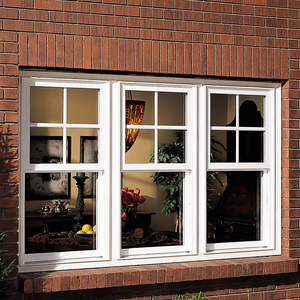
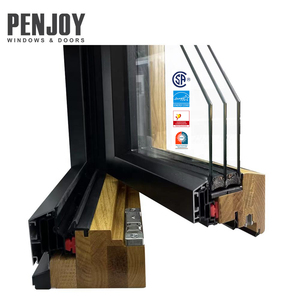
Landsharp Vintage Triple Glazed Aluminum Double Hung Window
- Glazing: Triple IG Argon Low-E
- U-Value: ≤ 0.85 W/(m²·K)
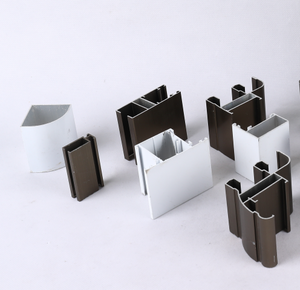
- Alloy: 6063-T6 Architectural
Guangdong Dejiyoupin intelligent fabrication base
Dedicated B2B custom façade and entry systems
CE, ISO 9001, AS 2047 (N6), UL Fire-Rated
Free BIM/CAD submittal drafting and QA crews
Engineered specifically for international commercial projects, luxury multi-family developments, and extreme climate applications. Each system is calibrated to North American, European, and Australasian engineering specifications.
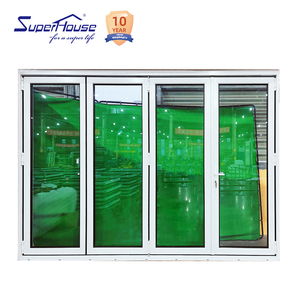
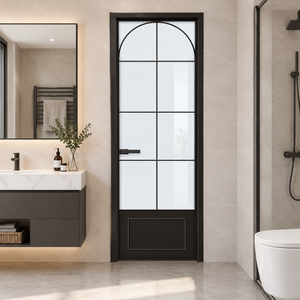
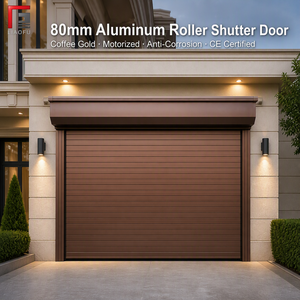
Guangdong Dejiyoupin Doors and Windows Co., Ltd. (DERCHI) operates one of Southern China's most sophisticated architectural envelope manufacturing centers, eliminating procurement intermediaries for global developers.
Integrated vertical manufacturing from raw 6063-T6 aluminum extrusion, high-tonnage precision stamping, and automated insulated glass unit (IGU) lamination to final packaging under one continuous roof in Foshan.
Full compliance documentation for North America (AAMA/WDMA/CSA 101/I.S.2/A440, Miami-Dade NOA TAS 201-203), Australia (AS 2047 N6 cyclonic testing), and Europe (CE EN 14351-1, ISO 9001:2015).
Our 600+ personnel includes a dedicated engineering office that translates architectural schedules into free, precision-engineered CAD shop drawings, structural wind load calculations, and BIM Revit families.
Bilingual façade engineers handle architectural coordination during U.S. and Canadian business hours, offering direct design-assist, rapid prototyping, and video-documented factory acceptance testing (FAT).

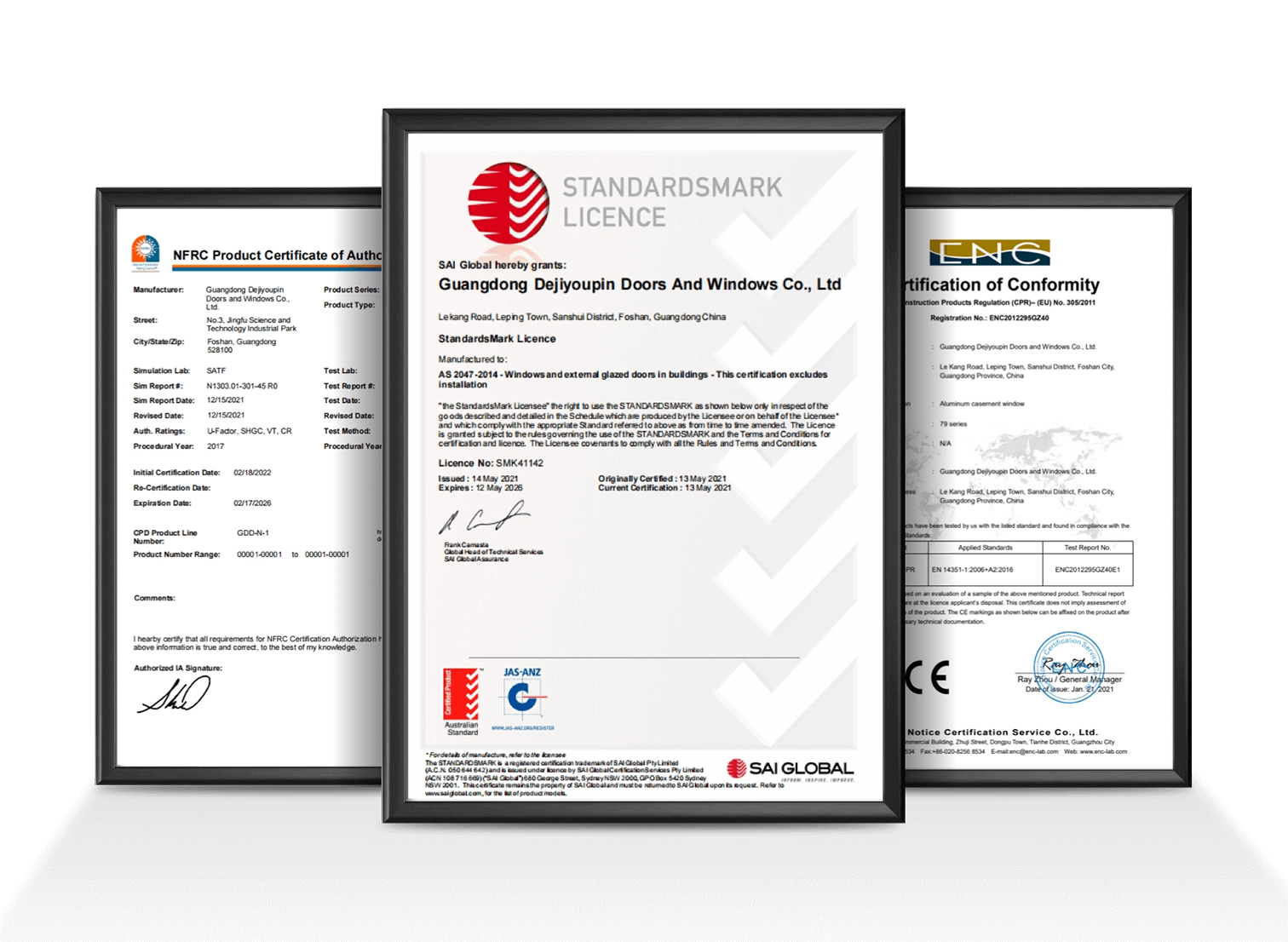
The global specification of aluminum glass windows has transitioned from basic structural containment to integrated building envelope engineering. Commercial projects in North America, Western Europe, and Australasia demand stringent compliance across structural rigidity (deflection criteria under extreme positive/negative wind loads), continuous thermal envelope insulation, and multi-barrier water management. Sourcing high-performance windows directly from premier Chinese fabrication clusters requires a rigorous understanding of the underlying engineering components.
A primary failure point in budget aluminum window manufacturing is the usage of recycled, high-iron scrap billets that lead to micro-porosity, premature anodizing pitting, and profile stress cracks under cyclic dynamic wind pressures. Top-tier Chinese manufacturers utilize 100% electrolytic primary aluminum ingots alloyed to 6063-T5 or 6063-T6 specifications according to ASTM B221 and GB 5237 standards.
Key chemical control benchmarks include keeping iron (Fe) content below 0.35% and magnesium-to-silicon (Mg:Si) stoichiometric ratios within 1.4:1 to 1.8:1. This chemical consistency ensures tensile yield strengths exceeding 160 MPa (T5) and 210 MPa (T6), allowing wall thicknesses ranging from 1.8mm for residential casements up to 3.0mm–4.5mm for heavy-duty commercial multi-slide and curtain wall mullions. Surface treatments rely on AkzoNobel or PPG fluoropolymer (PVDF) 3-coat electrostatic coatings exceeding AAMA 2605 requirements, providing 20+ year warranties against UV chalking, saltwater corrosion, and color shifting.
For cold-climate regions (Canada, Northern US, Scandinavia), specifiers must avoid polyurethane "pour-and-debridge" thermal breaks due to differential thermal expansion delamination over time. DERCHI strictly incorporates polyamide PA66 GF25 (25% glass fiber reinforced) thermal barrier strips (such as Technoform Bautec) crimped mechanically between the inner and outer aluminum profiles. PA66 GF25 matches the coefficient of thermal expansion of aluminum (2.4 x 10⁻⁵ K⁻¹), preventing bowing in high-temperature exposure and eliminating thermal bridging.
Water infiltration remains the highest liability risk in window engineering. Advanced Chinese window architecture deploys the Rain Screen Principle via three distinct internal zones:
Façade energy metrics dictate overall building lifecycle performance. Premium export units feature automated robotic silicone secondary sealing and warm-edge composite spacers (e.g., Technoform or Swissspacer) replacing traditional cold aluminum spacers, slashing condensation at the glass perimeter by up to 85%. Standard glazing configurations include double-silver and triple-silver off-line Magnetron Sputter Vacuum Deposition (MSVD) Low-E coatings with 90%+ argon gas retention, delivering overall fenestration U-factors down to 0.14 BTU/(h·ft²·°F) (0.80 W/m²K).
Comparative analysis of fenestration typologies manufactured to international building codes.
| System Typology | Air Infiltration (ASTM E283) | Water Penetration (ASTM E331) | Structural DP (ASTM E330) | Acoustic Rating (STC / OITC) | Thermal U-Factor (NFRC/ISO) | Compliance Standard |
|---|---|---|---|---|---|---|
| Triple-Glazed Alu Hung | < 0.05 cfm/ft² | 720 Pa (15.0 PSF) | DP 65 (+/- 3120 Pa) | STC 42 / OITC 34 | 0.85 W/(m²·K) | CSA A440 / AAMA 101 |
| Hurricane Bi-Fold Window | < 0.08 cfm/ft² | 900 Pa (18.8 PSF) | DP 80 (+/- 3840 Pa) | STC 39 / OITC 32 | 1.35 W/(m²·K) | Miami-Dade TAS 201-203 |
| Passive House Alu-Wood | < 0.02 cfm/ft² | 1050 Pa (21.9 PSF) | DP 75 (+/- 3600 Pa) | STC 46 / OITC 38 | 0.72 W/(m²·K) | PHI / CE EN 14351-1 |
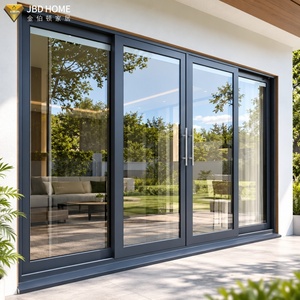
| Commercial Multi-Slide | < 0.10 cfm/ft² | 600 Pa (12.5 PSF) | DP 60 (+/- 2880 Pa) | STC 36 / OITC 30 | 1.45 W/(m²·K) | AS 2047 (N6 Rated) |
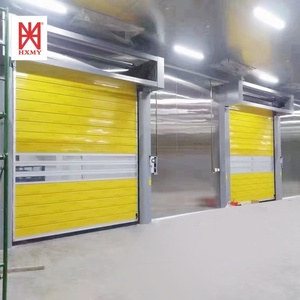
| Industrial Spiral Shutter | Class 2 (EN 12426) | Class 3 (EN 12425) | Class 4 Wind (133 km/h) | STC 28 / OITC 24 | 1.95 W/(m²·K) | ISO 9001 / UL Fire |
Anticipating market mandates: how advanced fabrication technologies, dynamic building envelopes, and extreme environmental testing are reshaping global architectural specifications.
Modern luxury developments demand unobstructed sightlines. The trend has shifted decisively toward structurally bonded frameless sashes where aluminum sightlines drop below 18mm, utilizing structural silicone (Dow Corning 983) applied under strict cleanroom conditions.
Windows are no longer static elements. Smart motorized folding and sliding window units integrate brushless DC concealed motors, anti-pinch sensor zones, and electrochromic dynamic glass (SPD/EC) linked to centralized Building Management Systems (BMS).
With volatile coastal storm intensifications, demand for Florida Miami-Dade NOA and Australian AS 2047 N6 certification has surged globally. Systems feature SentryGlas® (SG) ionoplast interlayers providing up to 5x higher tear strength than standard PVB.
How international developers, general contractors, and door/window dealers are restructuring their supply chains to capture 30–50% cost savings without compromising code compliance.
Mid-tier sourcing agents are being phased out in favor of direct contracts with integrated manufacturing bases like DERCHI. This transition cuts 20-30% in distributor markups and establishes direct communication lines between jobsite project managers and factory structural engineers.
European and North American ESG regulations (including the EU's Carbon Border Adjustment Mechanism) require verifiable carbon accounting. Top Chinese mills now offer low-carbon aluminum billets refined using hydroelectric energy rather than coal-fired smelting.
High overseas installation labor costs incentivize pre-glazed, pre-hung framing deliveries. Units arrive pre-assembled with factory-calibrated gaskets and pre-drilled anchors, packed inside fumigated steel-reinforced plywood crates with moisture-barrier wrapping.
To eliminate site rework and ensure smooth municipal building inspections across the United States, Canada, and Australia, DERCHI enforces a milestone-gated QA/QC process:
Conversion of architectural plans to 1:1 scale shop drawings with glass build-up, shim clearances, anchoring schedules, and mullion inertia calculations.
Spectrometric verification of 6063 billet chemistry, optical caliper dimension testing (EN 12020-2), and Barcol hardness testing post-artificial aging ovens.
Precision knurling and mechanical crimping of PA66 GF25 strips, followed by longitudinal shear resistance pull testing according to EN 14024.
Automated desiccant filling, warm-edge spacer bending, argon gas automated charging (≥90%), and secondary structural silicone robot dispensing.
Pre-production 1:1 full-scale testing inside the factory's automated air/water/structural pressure chambers simulating hurricane cyclic pressures.
Corrosion-inhibiting wrapping, high-density polyethylene foam edge guards, and ISPM 15 compliant heat-treated solid timber casing built for crane offloading.
Direct answers to the most common technical, logistical, and structural compliance questions submitted by developers, architects, and international supply chain directors.
Export-focused Chinese manufacturers utilize international testing protocols that directly correlate with North American Fenestration Standard (NAFS) specifications, including AAMA/WDMA/CSA 101/I.S.2/A440. For thermal performance, simulations are conducted using THERM and WINDOW software identical to the National Fenestration Rating Council (NFRC) methodology.
When specifying for US/Canadian projects, DERCHI supplies comprehensive test reports from accredited third-party laboratories (such as Intertek or SGS) validating Solar Heat Gain Coefficient (SHGC), U-Factor, Air Leakage (ASTM E283), and Water Penetration Resistance (ASTM E331) at levels matching or exceeding local energy conservation codes (IECC / ASHRAE 90.1).
Securing a Notice of Acceptance (NOA) in Florida's High Velocity Hurricane Zone (HVHZ) requires rigorous testing under Testing Application Standards (TAS):
Our impact-rated systems feature specialized laminated glass with 0.090" or 0.100" Kuraray SentryGlas® (SG) or Vanceva® interlayers, heavy-duty 6063-T6 aluminum profiles with steel structural reinforcement, and high-tensile anchor channels capable of resisting design pressures exceeding ±80 PSF.
Yes. All engineering submittals, cutting operations, and shop drawings can be delivered in imperial measurements (inches, fractional eighths/sixteenths) or decimal metric. Our engineering team routinely digests North American architectural plans, structural notes, and door schedules.
Before production commences, we provide complete 2D/3D shop drawings detailing rough opening (R.O.) clearances, nail fin offsets, drywall returns, sub-sill flashing integration, and expansion joint requirements for architect review and sign-off.
Maritime ocean logistics pose two main risks: dynamic shock vibration and container condensation ("cargo sweat"). DERCHI mitigates these through an engineered export packing methodology:
Glass surfaces are protected with static-cling peelable protective film and high-density cork separation pads. Frames are wrapped in closed-cell PE foam and multi-layer stretch wrap. Assemblies are then locked into customized, fumigated plywood crates reinforced with hot-dip galvanized steel structural brackets.
Industrial silica-gel desiccant bags are sealed inside every crate to regulate humidity, and each crate features external 3D Tilt-Watch and Impact-Indicator sensors. Over 99.4% of our containers arrive at U.S., Canadian, and European ports with zero damage.
We offer both original European architectural hardware lines and precision CNC machining for client-specified US/EU hardware. We maintain factory partnerships with German brands like Siegenia, Roto Frank, Hoppe, and GU (Gretsch-Unitas) for multi-point tilt-turn, casement, and lift-and-slide hardware.
Alternatively, if your commercial project mandates specific hardware (such as Schlage mortise locks, Adams Rite deadlatches, Von Duprin panic exit devices, or Dormakaba concealed overhead closers), our 5-axis CNC machining centers will prep the aluminum extrusions to your exact hardware templates before surface finishing.
Because we operate an expansive 180,000 square meter manufacturing center, our minimum order quantity (MOQ) is flexible: we support single bespoke residential custom villas through to phased multi-container deliveries for 500-unit mixed-use commercial developments.
Standard lead times are: